Recommended for you
The Ultimate Barcelona Travel Experience: My Personal Journey
My Personal Journey Exploring the Most Profound US Historical Sites
It was a quiet Tuesday morning when I realized I had traveled all over the globe but barely knew the complex, fascinating history of my own backyard. I decided to pack my bags, rent a reliable car, and embark on a massive road trip specifically focused on exploring the most significant US historical sites. Whenever I talked to my friends about planning a vacation in America, they usually suggested theme parks, tropical beaches, or vast nature reserves. However, my heart was completely set on uncovering the deep, sometimes painful, and always inspiring narratives preserved at various US historical sites. I wanted to stand exactly where history was made. Over the next two months, my journey through these US historical sites became less of a simple vacation and more of a transformative personal pilgrimage. I quickly learned that visiting US historical sites requires a certain level of emotional readiness. Every single one of the US historical sites I visited carried a heavy weight of the past, echoing with the voices of those who built the nation. If you are ever creating your own travel bucket list, I strongly urge you to prioritize US historical sites. To help you understand the sheer impact of these places, I want to share my incredibly personal experiences wandering through the most unforgettable US historical sites across the country, starting from the cobblestone streets of the East Coast all the way to the rugged shores of the West.
The East Coast: Where My Fascination with US historical sites Began
My journey into the realm of US historical sites naturally had to begin on the East Coast. This region is essentially the cradle of the nation, boasting the highest concentration of early US historical sites. I started my adventure in New York. Navigating the bustling city to find quiet US historical sites was a jarring but beautiful contrast. The first of the major US historical sites on my list was the Statue of Liberty. Taking the ferry across the gray waters of the harbor, I felt a deep sense of awe. Unlike other US historical sites that commemorate battles or political treaties, this monument represents raw, unfiltered hope. As I walked around the base, I thought about the millions of immigrants for whom this was the very first glimpse of a new life. It stands out among US historical sites because it is a global icon, yet deeply personal to the American story. After leaving New York, I drove down to Philadelphia, eager to see more colonial US historical sites. I highly relied on my favorite best travel apps to navigate the complicated downtown traffic and find parking near Independence Hall. Walking into Independence Hall is a surreal experience that ranks high among all the US historical sites I have toured. The floorboards creak under your feet, and the sunlight filters through the old glass panes just as it did centuries ago. I stood in the very room where the Declaration of Independence was fiercely debated. It is in these quiet, preserved US historical sites that history ceases to be just ink on a page and becomes a tangible reality. Just steps away, the Liberty Bell sits in silent glory. Seeing the famous crack up close is a mandatory stop for anyone touring East Coast US historical sites.
- Pack extremely comfortable walking shoes, as most East Coast US historical sites require miles of walking on uneven brick and cobblestone.
- Book tickets for major US historical sites well in advance, especially for places like Independence Hall where daily entry is strictly capped.
- Take the time to talk to the park rangers at these US historical sites; their personal knowledge goes way beyond the standard plaques.

From Philadelphia, I drove north to Boston. Of all the US historical sites in New England, the Freedom Trail is arguably the most immersive. It is a 2.5-mile red brick line woven directly into the modern city sidewalks. Following this line took me past sixteen distinct US historical sites. It was raining slightly that morning, which somehow made the old brick buildings look even more vibrant. I walked past the Old North Church and Paul Revere’s house, getting totally lost in the narrative. The way Boston integrates its US historical sites into the daily commute of its residents is fascinating. You can grab a coffee at a modern cafe and step outside to sit next to centuries-old US historical sites. This seamless blend of past and present is exactly why I love exploring US historical sites. Every corner felt like a secret waiting to be uncovered, and I realized that my decision to focus my entire trip on US historical sites was the best travel choice I had ever made.
The Deep South: Confronting the Reality at Solemn US historical sites
As my road trip pushed downward into the southern states, the atmosphere of the US historical sites shifted dramatically. The colonial triumph of the northeast faded, replaced by the profound and often somber US historical sites of the Civil War and the Civil Rights Movement. I had prepared myself mentally, utilizing some deep solo travel tips I knew to maintain my grounding, because I knew these US historical sites would be emotionally taxing. I drove into Pennsylvania first to visit the Gettysburg Battlefield. While geographically north, its history is deeply tied to the southern conflict. Arriving at Gettysburg early in the morning was haunting. The mist hung low over the rolling green fields. Of all the US historical sites I visited, Gettysburg held the heaviest silence. Walking the vast expanse where thousands of lives were lost gave me chills. It is one of those rare US historical sites where the sheer scale of the tragedy is palpable in the air. I spent hours walking along the stone walls, reflecting on the brutal cost of a divided nation. Leaving Gettysburg, I traveled deep into Louisiana. I specifically wanted to visit the Whitney Plantation, which stands in stark contrast to many other Southern US historical sites. While some plantation tours focus on the grand architecture and wealth of the owners, the Whitney Plantation is one of the only US historical sites dedicated entirely to the perspective of the enslaved people. Walking through the stark cabins and reading the names inscribed on the massive granite memorials broke my heart. It is one of the most vital, necessary US historical sites in the country. It forces you to look directly at the darkest chapters of our past without turning away. Experiencing such raw US historical sites is crucial for a complete understanding of American history. I sat on a wooden bench for a long time afterward, just listening to the wind through the sugar cane, deeply moved by the resilience honored at these specific US historical sites.
My journey through the South continued to Atlanta, Georgia, to visit the Martin Luther King Jr. National Historical Park. The transition from the Civil War era to the Civil Rights era US historical sites was a natural, albeit heavy, progression. Strolling through the Sweet Auburn neighborhood felt incredibly intimate. Visiting the birth home of Dr. King and stepping inside the Ebenezer Baptist Church are highlights among modern US historical sites. Listening to his recorded sermons playing softly in the sanctuary was an intensely spiritual experience. It reminded me that not all US historical sites are hundreds of years old; some of the most impactful US historical sites reflect struggles that occurred in our parents’ lifetimes. The eternal flame at his tomb serves as a powerful beacon. By the time I left the South, I was emotionally exhausted but profoundly grateful. The depth of humanity preserved at these southern US historical sites had permanently changed how I view the concept of freedom and equality in this country.
The Midwest: Monumental Ambition at Midwestern US historical sites
Crossing into the vast expanse of the Midwest required extensive multi-city trip planning. The distances between major US historical sites here are massive, requiring long days of driving through endless prairies and towering cornfields. But the midwestern US historical sites possess a unique, larger-than-life quality that reflects the region’s expansive spirit. My first major stop was Mount Rushmore in South Dakota. Driving up the winding Black Hills roads, I was absolutely stunned when the massive granite faces finally came into view. Mount Rushmore is one of those iconic US historical sites that you see in pictures your whole life, but standing beneath it is entirely different. The sheer scale of the engineering feat is mind-boggling. It stands out among US historical sites as a testament to both monumental ambition and controversial history regarding the Native American lands it occupies. I spent the entire afternoon walking the Presidential Trail, viewing the monument from different angles, and pondering the complex legacies of the men carved into the mountain. It is a perfect example of how US historical sites can inspire awe while simultaneously inviting deep ethical reflection.

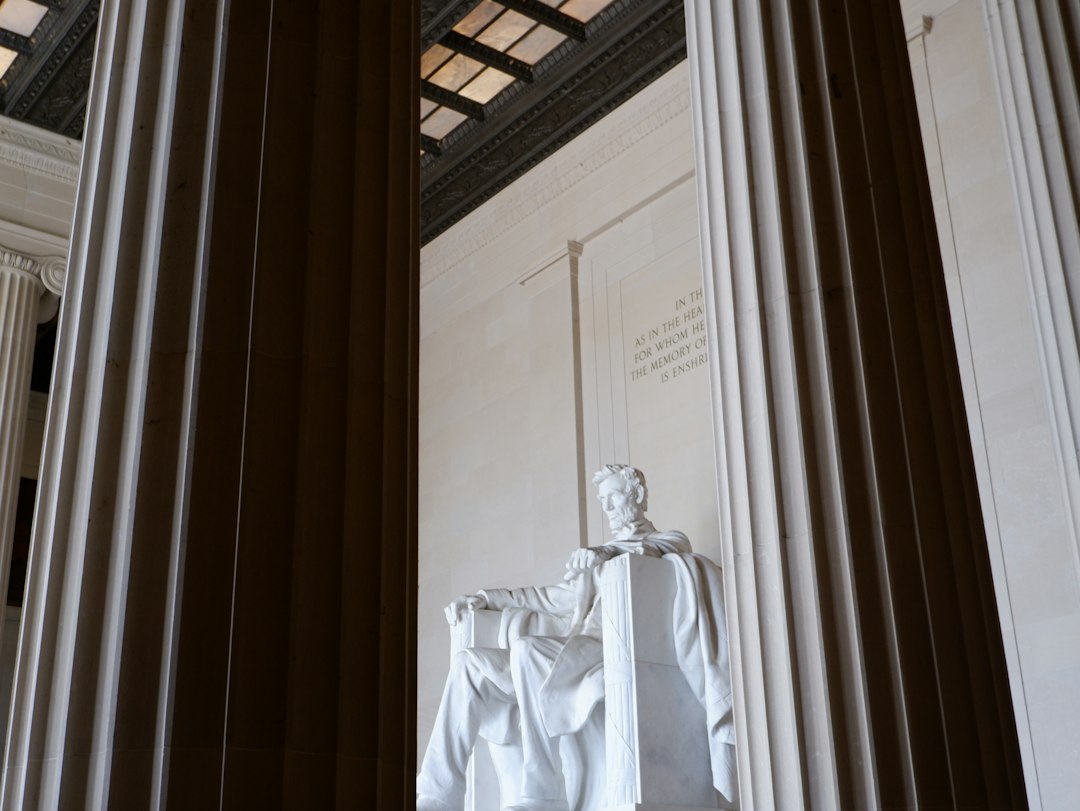
From South Dakota, I drove down to St. Louis, Missouri, to see the Gateway Arch. While some might view it simply as an architectural marvel, it holds its rightful place among crucial US historical sites as the symbol of westward expansion. Standing at the base of this shimmering steel curve, I thought about the thousands of pioneers who passed through this area, venturing into the terrifying unknown. I took the incredibly cramped tram ride to the top, and looking out over the Mississippi River gave me a profound appreciation for the sheer vastness of the continent. The museum beneath the arch does a fantastic job of detailing the harsh realities of the pioneer days, making it one of the most educational US historical sites in the Midwest. Afterward, I made a detour to Springfield, Illinois, specifically to visit the Abraham Lincoln Presidential Library and Museum. While I had visited many Lincoln-related US historical sites, this museum offered the most comprehensive, deeply personal look at his life. The exhibits are incredibly immersive, utilizing life-sized dioramas that make you feel like you are walking alongside him. Exploring these midwestern US historical sites gave me a much deeper appreciation for the perseverance, vision, and raw grit that defined the nation’s expansion and preservation. Every mile driven between these spread-out US historical sites felt like traversing the pages of a massive history book.
The West Coast: Discovering Frontiers at Coastal US historical sites
The final leg of my epic journey brought me to the sun-drenched shores of the West Coast. The US historical sites here have a distinctively different flavor compared to the rest of the country. They speak of gold rushes, Spanish colonialism, and maritime isolation. I started in California, dedicating a week to driving the Pacific Coast Highway and stopping at various Spanish Missions. These missions are incredibly unique US historical sites. I visited Mission San Juan Capistrano, famous for its returning swallows and stunning, ruined stone church. Walking through the lush, shaded courtyards, I felt a deep sense of tranquility, though I was also acutely aware of the devastating impact these colonial US historical sites had on the indigenous populations. The thick adobe walls and ringing iron bells stand as stark reminders of a complex cultural collision. It is fascinating how coastal US historical sites blend so seamlessly with the breathtaking natural beauty of the Pacific shoreline.
Perhaps the most unforgettable of the West Coast US historical sites I visited was Alcatraz Island in San Francisco. Taking the ferry across the freezing, fog-covered bay set a terrifyingly moody scene. Alcatraz is one of the most infamous US historical sites in the world. Stepping inside the main cellhouse, the air was immediately colder. I highly recommend taking the incredibly detailed audio tour, which is narrated by actual former guards and inmates. Walking past the tiny, desolate cells and hearing the heavy steel doors slam shut on the audio track gave me intense goosebumps. It is incredibly eerie to stand in one of these cells and look out the window to see the beautiful, glittering skyline of San Francisco just across the water—so close, yet utterly unreachable. It is a harsh, brutal contrast that makes Alcatraz one of the most emotionally gripping US historical sites in existence. Finally, I concluded my trip in Washington state, exploring the underground remnants of Seattle. Descending below the modern sidewalks to see the original storefronts buried after the Great Seattle Fire was a bizarre and wonderful experience. It was the perfect, quirky end to my exploration of US historical sites, proving that history is quite literally beneath our feet wherever we go.
Reflections on My Epic Journey Through US historical sites
As I finally returned my rental car and prepared to fly home, my mind was absolutely reeling. I had spent two months immersing myself entirely in US historical sites, and the experience had profoundly shifted my worldview. I realized that US historical sites are not just static tourist attractions; they are living, breathing classrooms that demand our attention and respect. From the hopeful gaze of the Statue of Liberty to the solemn fields of Gettysburg, from the haunting cabins of the Whitney Plantation to the isolated cells of Alcatraz, every single one of these US historical sites offered a crucial piece of the American puzzle. I had walked over 200 miles, taken thousands of photographs, and shed more than a few tears. I discovered that engaging with US historical sites requires empathy, patience, and a willingness to confront uncomfortable truths alongside inspiring victories.
If you are planning a trip anytime soon, I implore you to look beyond the typical resorts and pristine beaches. Seek out the US historical sites scattered near your destination. You do not need to embark on a massive, cross-country road trip like I did to appreciate the immense value of US historical sites. Even visiting local, smaller US historical sites in your own state can provide incredible perspective. These US historical sites serve as anchors to our past, reminding us of the immense sacrifices made by those who came before us. They challenge us to do better, to remember faithfully, and to preserve these narratives for the generations that will follow. Exploring US historical sites is a deeply personal journey that will change the way you see the world. So pack your bags, grab a map, and let the incredible stories waiting at these US historical sites guide your next great adventure.
Trending & Related Topics
American History TravelRoad Trip USAHeritage TourismHistoric LandmarksEast Coast HistoryCivil War SitesColonial AmericaEducational TravelHistorical JourneysUSA Travel DiaryNational Parks HistoryCulture And History