Recommended for you
My Ultimate Guide to the Digital Nomad Lifestyle
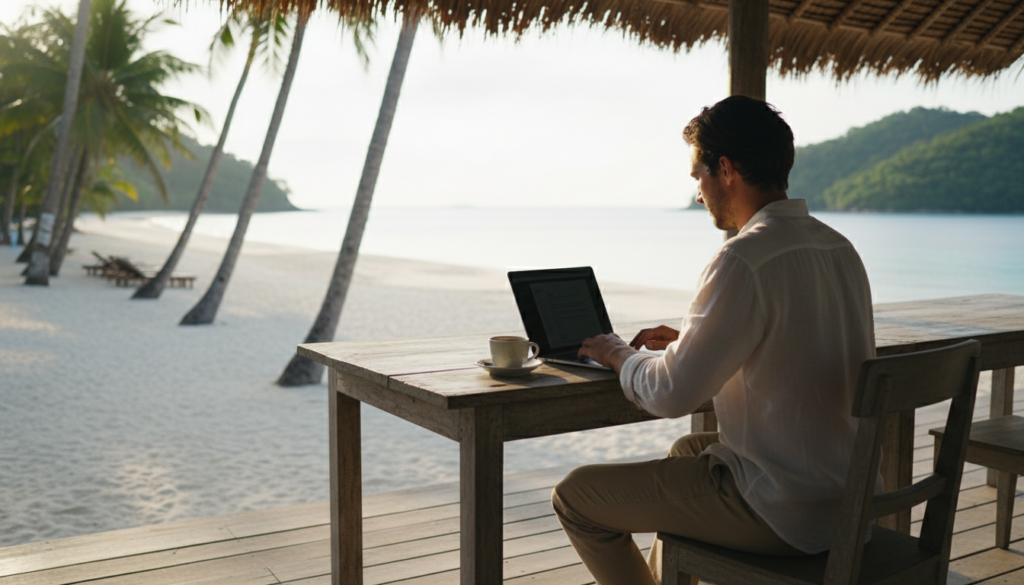
A few years ago, I sat in a dimly lit cubicle staring at a spreadsheet, watching the best years of my life slip away under fluorescent lights. I realized I was trading my time and freedom for a two-week annual vacation. That was the exact moment I decided to completely overhaul my existence and embrace the digital nomad lifestyle. Today, my office is wherever I open my laptop—be it a sun-drenched balcony in Barcelona, a vibrant cafe in Bali, or a quiet mountain cabin in the Rockies. The digital nomad lifestyle has surged in popularity, fundamentally shifting how we perceive the traditional work-life equation. Thanks to the rapid expansion of remote work opportunities and high-speed global connectivity, professionals are no longer tethered to a specific desk or city. Instead, they are taking their careers on the road, exploring the globe while maintaining their income.
This way of life offers more than just perpetual travel; it provides a unique opportunity to curate a balance between professional ambition and personal exploration. However, mastering the digital nomad lifestyle requires more than just buying a plane ticket and hoping for the best. It demands fierce discipline, strategic planning, and the ability to adapt to new environments constantly. I had to learn the hard way that working remotely while traveling is a skill that takes time to hone. In this deeply personal guide, I will walk you through the mechanics of location-independent living, the exact tools you need to succeed, and how I manage to blend high-level productivity with cultural immersion.
What Exactly Defines the Digital Nomad Lifestyle?
When people ask me what it means to live the digital nomad lifestyle, they often picture me sitting on a beach with a piña colada in one hand and a laptop in the other. Let me burst that bubble right now: sand and electronics do not mix, and screen glare is real. In reality, a digital nomad is a professional who leverages telecommunications technologies to earn a living and conduct their life in a nomadic manner. This lifestyle is defined by location independence, allowing individuals to work from foreign countries, coffee shops, public libraries, co-working spaces, or even converted recreational vehicles.
The beauty of the digital nomad lifestyle is that it is not restricted to a single profession. When I first started, I met a wildly diverse group of people funding their travels in ingenious ways. Some common professions that support this lifestyle include:
- Freelance Creatives: Writers, graphic designers, copywriters, and video editors who manage their own client rosters.
- Tech Professionals: Software developers, UX/UI designers, cybersecurity experts, and IT support staff.
- Entrepreneurs: E-commerce store owners, SaaS founders, and affiliate marketers who have built automated revenue streams.
- Consultants & Coaches: Business strategists, life coaches, online language tutors, and financial advisors.
For me, the transition into the digital nomad lifestyle began with freelance writing. It allowed me to dictate my own hours, meaning I could explore ancient ruins in the morning and hit my deadlines in the evening. If you are considering this path, you must first identify a skill that can be digitized and monetized from afar.
The Raw Benefits of the Digital Nomad Lifestyle
Transitioning to a nomadic life offers transformative advantages that extend well beyond the obvious perks of tourism. Living the digital nomad lifestyle has fundamentally changed my perspective on money, time, and happiness.
One of the most powerful concepts I’ve leveraged is Geo-Arbitrage. By earning a strong currency (like USD or Euros) while living in countries with a significantly lower cost of living, I was able to save money and upgrade my daily life simultaneously. Instead of paying $2,000 for a tiny apartment in a major US city, I could rent a luxury villa with a private pool in Southeast Asia for a fraction of the cost. This financial breathing room is a cornerstone of why the digital nomad lifestyle is so appealing.
Furthermore, my creativity has skyrocketed. Constantly changing environments and exposure to diverse cultures act as a massive stimulus for the brain. Whenever I feel a creative block, stepping outside into a bustling market in Marrakech or taking a walk through the historical streets of Rome instantly resets my mind. If you are looking to curate your own itinerary, I suggest starting with a comprehensive Travel Bucket List Guide to dream up your initial destinations.
Strategic Logistics for the Digital Nomad Lifestyle
Vacationers can afford to be spontaneous; those of us living the digital nomad lifestyle cannot. We have to be meticulous about our travel logistics because our livelihood depends on it.
1. Smart Itinerary Planning
Unlike a two-week holiday, I must plan my travels around connectivity and workspace availability. I never book a flight without first researching the internet speeds of my destination. I rely heavily on destination guides and nomad forums to find locations that offer a reliable infrastructure. There is nothing more stressful than having a critical client call and realizing the Wi-Fi in your remote beach bungalow is non-existent. Over the years, I’ve learned to travel slowly. Staying in one place for one to three months at a time is the secret to sustaining the digital nomad lifestyle without burning out. Constant packing and unpacking will quickly exhaust you.
2. Mastering Accommodation
Where you sleep is often where you work, making your choice of accommodation incredibly critical. I’ve tried everything, and here is what actually works for the digital nomad lifestyle:
- Co-living Spaces: These are absolute game-changers. Designed specifically for remote workers, they offer private bedrooms with shared, high-end workspaces and community events. It instantly cures the loneliness that can sometimes accompany this lifestyle.
- Short-term Rentals: Platforms like Airbnb are ideal for longer stays. Having my own kitchen allows me to cook healthy meals and establish a morning routine. If you struggle with the cost, I recommend reading up on How to Find the Best Deals on Hotel Rooms for shorter gaps between apartment leases.
- Hostels: Upscale boutique hostels often provide quiet co-working areas now, making them a fantastic budget-friendly option for social travelers who still need to get things done.
3. Maintaining Ruthless Productivity
The allure of a new, exciting city right outside your door can be highly distracting. To maintain output in the digital nomad lifestyle, I had to create strict boundaries. I highly recommend joining local co-working spaces. They provide ergonomic seating, fast internet, and a professional atmosphere that signals to your brain that it is time to focus. I treat my work days just as seriously as I did in my corporate job. Establishing a rock-solid morning routine—coffee, exercise, and journaling—helps keep me grounded regardless of what time zone I wake up in.
Essential Gear for the Digital Nomad Lifestyle
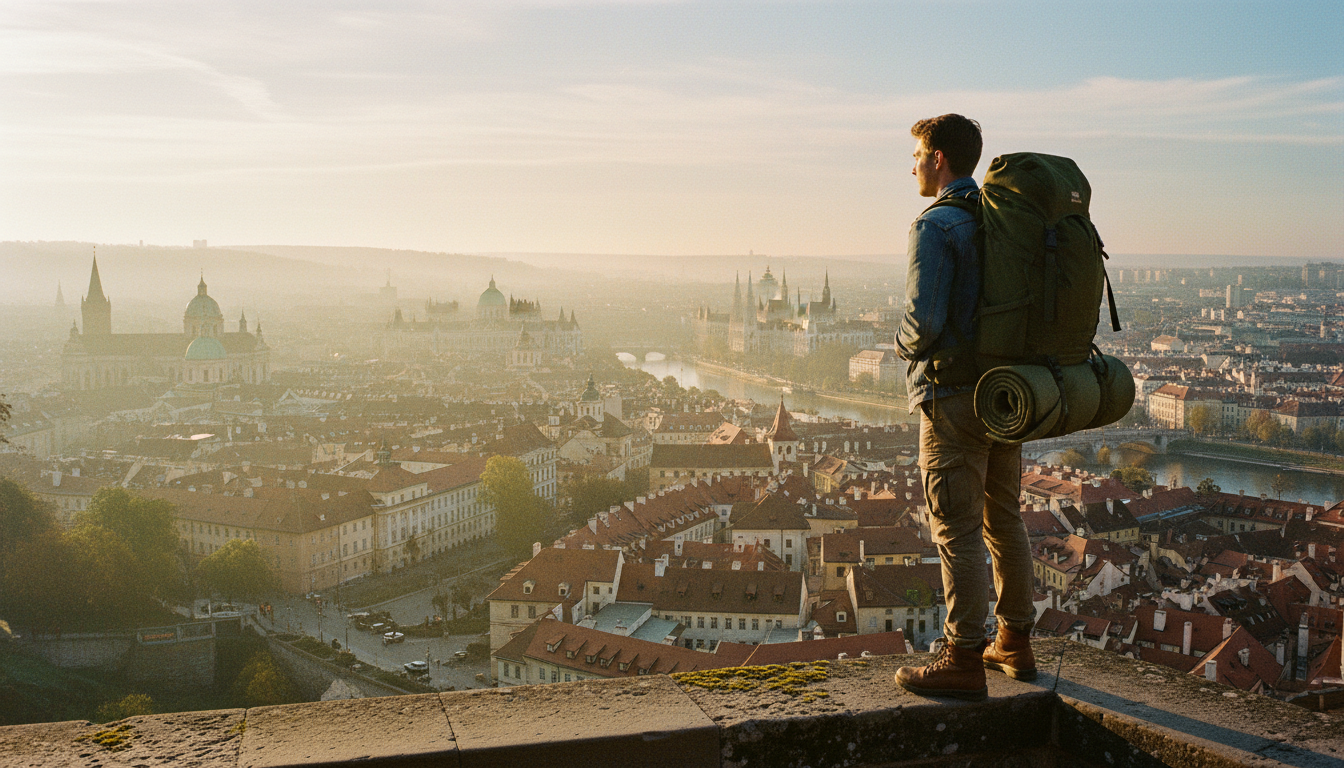
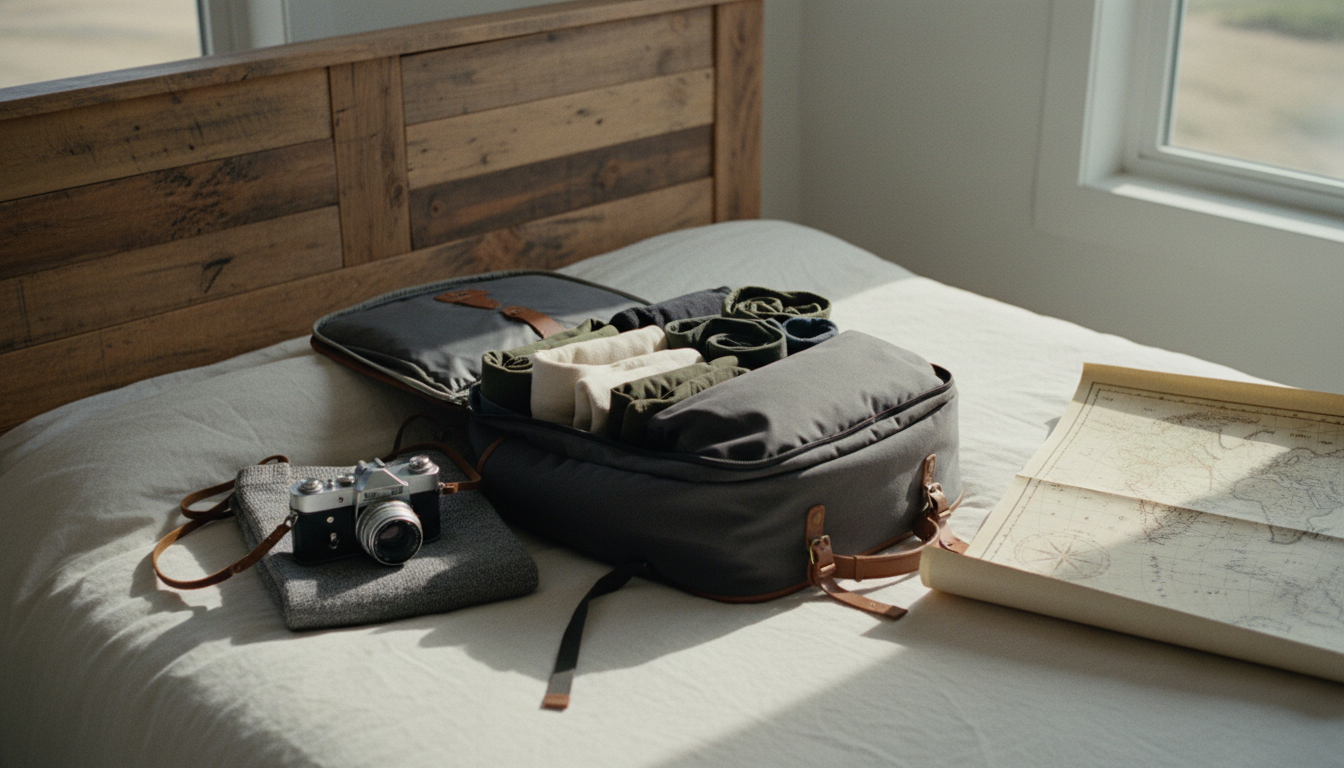
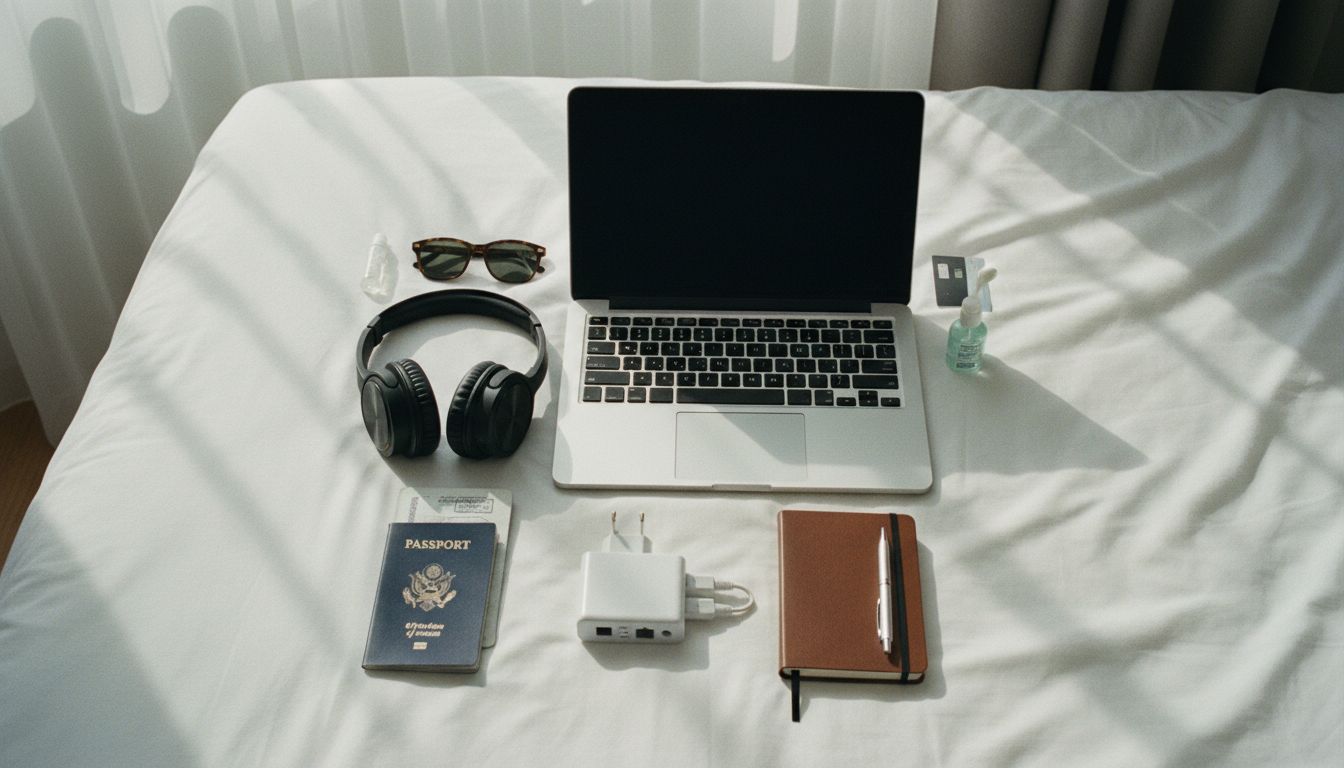
When everything you own must fit into a backpack and a carry-on suitcase, your gear becomes your absolute lifeline. A minimalist but high-quality setup is non-negotiable for the digital nomad lifestyle. If you want a deep dive into efficient packing, definitely review this Packing Light Guide. Here is what I personally carry:
Hardware: A lightweight, highly durable laptop is obvious, but the real unsung hero of the digital nomad lifestyle is a premium noise-canceling headset. Whether I’m working from a noisy café in Hanoi or an echoing airport lounge, my clients never hear the background chaos. I also travel with a portable laptop stand and a wireless ergonomic mouse to prevent the dreaded “laptop hunch” and save my posture.
Power: Always, always carry a universal travel adapter. I carry two, just in case one fails. A high-capacity power bank is also crucial. I’ve had my power go out during rolling blackouts in developing countries, and having a backup power source for my phone (to use as a hotspot) has saved my job more than once.
Software: Cyber security is paramount. Using a reliable VPN to encrypt my connection on public Wi-Fi networks is a daily necessity. Beyond that, I manage my entire life through digital tools. If you are struggling to keep your bookings and tasks organized, I suggest checking out these Essential Travel Apps to streamline your operations.

The Unfiltered Reality and Challenges
I would be lying if I said the digital nomad lifestyle was a flawless utopia. It comes with a unique set of challenges that Instagram influencers rarely talk about. Loneliness is perhaps the most significant hurdle. When you are constantly moving, building deep, lasting relationships becomes difficult. You say “hello” and “goodbye” so often that it can start to feel emotionally exhausting. That is why I prioritize community building by attending local nomad meetups and staying in co-living spaces.
Then there is the bureaucratic nightmare of visas, taxes, and healthcare. You cannot simply ignore your home country’s tax laws just because you are living abroad. I spend a significant amount of time consulting with international tax advisors to ensure I am compliant. Furthermore, traveling without health coverage is a catastrophic mistake. Medical emergencies happen. I severely sprained my ankle hiking in South America, and if it weren’t for proper coverage, it would have decimated my savings. Do not skip this step; make sure you read a comprehensive Travel Insurance Guide before you embark on your journey.
Balancing Adventure and Sustainable Travel
The core reason I adopted the digital nomad lifestyle wasn’t just to work; it was to experience the magnificent diversity of our planet. I use my weekends to hike iconic trails, scuba dive, or take local cooking classes. However, with this incredible privilege comes profound responsibility. I strongly advocate for sustainable tourism. We must actively support local economies by shopping at local markets rather than international chains, respecting cultural norms, and aiming to leave a minimal carbon footprint.
Engaging in eco-tourism and being mindful of our impact ensures that the beautiful destinations we visit remain pristine for future travelers. The digital nomad lifestyle gives us the freedom to explore, but we must be guests who add value to the places we temporarily call home. Learning how to travel responsibly is vital, and adopting practices from a reliable Sustainable Travel Guide has fundamentally shaped the way I navigate the world today.
Conclusion: Is the Digital Nomad Lifestyle for You?
Embarking on the digital nomad lifestyle is, without a doubt, a profound journey of personal and professional evolution. It continually challenges me to become more adaptable, culturally aware, and fiercely self-disciplined. While the logistics of working from the road, managing time zones, and dealing with visa runs can be incredibly complex, the rewards are completely unparalleled.
The ultimate freedom to design my own days, the sheer adventure of waking up in a new country, and the global perspective I’ve gained are things I wouldn’t trade for any corporate corner office. The digital nomad lifestyle is not a vacation; it is a deliberate, intentional way of living. It requires resilience, but if you have the right mindset and preparation, the entire world truly becomes your office. If you are sitting in a cubicle right now dreaming of a different life, take it from me: the leap is terrifying, but the freefall is spectacular. Start planning, build your remote income stream, and join the thriving community of global nomads.