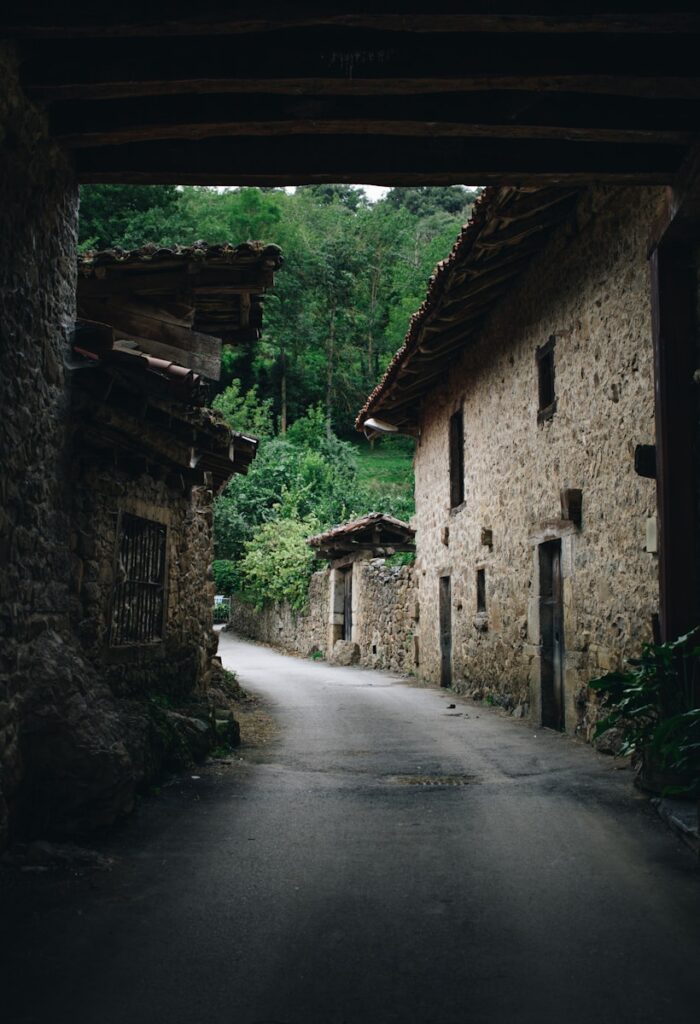
Cantabria, nestled on Spain’s northern coast, is a region often overlooked by the culinary crowds flocking to its Basque and Galician neighbors. But this verdant land, where the rugged Picos de Europa mountains meet the wild Atlantic, boasts a rich and distinctive gastronomic heritage. Cantabrian cuisine is a celebration of fresh, local ingredients, showcasing the bounty of both the sea and the land. This isn’t about fussy Michelin-starred fare (though you’ll find that too); it’s about honest, hearty cooking that reflects the region’s soul.
The Pillars of Cantabrian Cuisine: What to Expect
- Seafood, Seafood, Seafood: With a long coastline, it’s no surprise that seafood plays a starring role. Expect incredibly fresh fish, shellfish, and mariscos (seafood platters) prepared simply, allowing the natural flavors to shine.
- Mountain Fare: The interior of Cantabria is dominated by mountains, and this is reflected in the cuisine. Hearty stews, game meats, and local cheeses are staples.
- High-Quality Dairy: Cantabria’s lush pastures produce exceptional milk, resulting in delicious cheeses, yogurts, and other dairy products.
- Emphasis on Freshness: Cantabrians are fiercely proud of their local produce. Expect seasonal ingredients and dishes that change throughout the year.
- Cocido: a slow cooked stew, and probably the soul of the region.
Typical Dishes You Must Try:
- Cocido Montañés: This hearty mountain stew is the quintessential Cantabrian dish. It features white beans ( alubias blancas), berza (collard greens), morcilla (blood sausage), chorizo, and other pork products. It’s a stick-to-your-ribs meal perfect for a chilly day.
- Cocido Lebaniego: This stew comes from the Liébana Valley. This hearty mountain stew is, different, and, typicaly features chickpeas, berza (collard greens), potatoes, and a variety of meats.
- Sorropotún or Marmita: A simple yet flavorful fisherman’s stew made with tuna, potatoes, onions, peppers, and tomatoes. Similar to the Basque marmitako.
- Anchoas de Santoña: Santoña is renowned for its anchovies, considered some of the best in the world. They are typically served simply, drizzled with olive oil and perhaps a sprinkle of parsley.
- Bonito del Norte: This high-quality tuna, caught in the Cantabrian Sea, is a delicacy. It’s often served grilled, in stews, or in salads.
- Queso de Nata de Cantabria: This creamy, cow’s milk cheese is a regional specialty. It’s mild and versatile, perfect for eating on its own or using in cooking.
- Quesucos de Liébana: These small, smoked cheeses from the Liébana Valley are packed with flavor.
- Sobaos Pasiegos: These rich, buttery sponge cakes are a traditional Cantabrian dessert. They are often enjoyed with a glass of milk or coffee.
- Quesada Pasiega: A dense, cheesecake-like dessert made with fresh cheese, eggs, and sugar.
Recommended Restaurants: From Rustic Taverns to Michelin Stars
Cantabria offers a diverse range of dining experiences, from traditional casas de comidas (family-run restaurants) to modern, innovative establishments. Here are a few suggestions:
Traditional & Rustic:
- Bodega del Riojano (Santander): A classic Santander institution, known for its traditional Cantabrian cuisine and lively atmosphere.
- Casa Cayo (Santander): Another Santander favorite, serving up fresh seafood and regional specialties.
- Restaurante El Remedio (Ruiloba): A charming, family-run restaurant in a rural setting, offering authentic Cantabrian dishes.
- Restaurante la Yerbita (soba): Rustic place to taste the “cocido montañes”.
Modern & Innovative:
- El Cenador de Amós (Villaverde de Pontones): A three-Michelin-starred restaurant offering a sophisticated and creative take on Cantabrian cuisine. (A splurge, but a memorable experience).
- La Bicicleta (Hoznayo): A Michelin-starred restaurant known for its innovative use of local ingredients.
- Solana (Ampuero): Showcases some of the best contemporary Cantabrian dining, blending tradition with modern techniques.
Coastal Gems (Seafood Focus):
- Restaurante El Puerto (Santoña): Located in the heart of anchovy country, this restaurant is a must-visit for seafood lovers.
- Restaurante La Marinera (Santander): A popular seafood restaurant with a wide selection of fresh fish and mariscos.
- Many Restaurants in San Vicente de la Barquera: This charming fishing village offers numerous restaurants serving up the freshest catches of the day.
Tips for Your Gastronomic Adventure:
- Lunch is the Main Meal: Like in much of Spain, lunch is typically the largest meal of the day in Cantabria. Many restaurants offer a menú del día (fixed-price menu) at lunchtime, which is a great value.
- Embrace the Sidra (Cider): While not as prevalent as in Asturias, cider is still enjoyed in Cantabria. It’s often poured from a height to aerate it.
- Don’t Be Afraid to Ask: Cantabrians are proud of their cuisine, so don’t hesitate to ask your server for recommendations or explanations of dishes.
- Venture Beyond the Coast: While the seafood is fantastic, don’t forget to explore the inland areas and sample the mountain cuisine.
Final Thoughts: A Culinary Journey Worth Taking
Cantabria’s gastronomic scene is a hidden gem, offering a delicious blend of sea and mountain flavors. This isn’t just about eating; it’s about experiencing the region’s culture, history, and passion for fresh, local ingredients. So, go beyond the beaches, explore the villages, and savor the authentic taste of Cantabria. You won’t be disappointed.