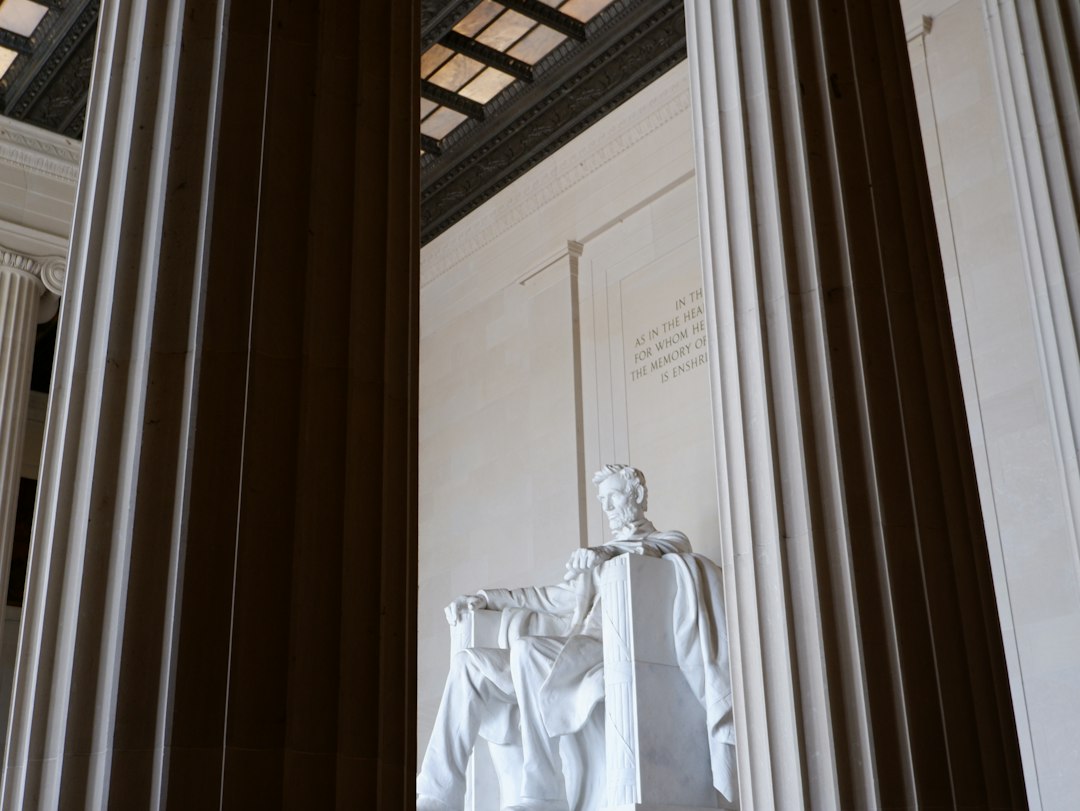
The best historical trips in the United States are not simply lists of old buildings. They work when each place helps explain a different part of the country’s political, social, Indigenous, industrial or civil-rights history.
The National Park Service preserves hundreds of parks and historic units, while the National Historic Landmark program recognizes thousands of nationally significant properties. That makes it more useful to choose a theme or route than to chase a single “top 10” list.
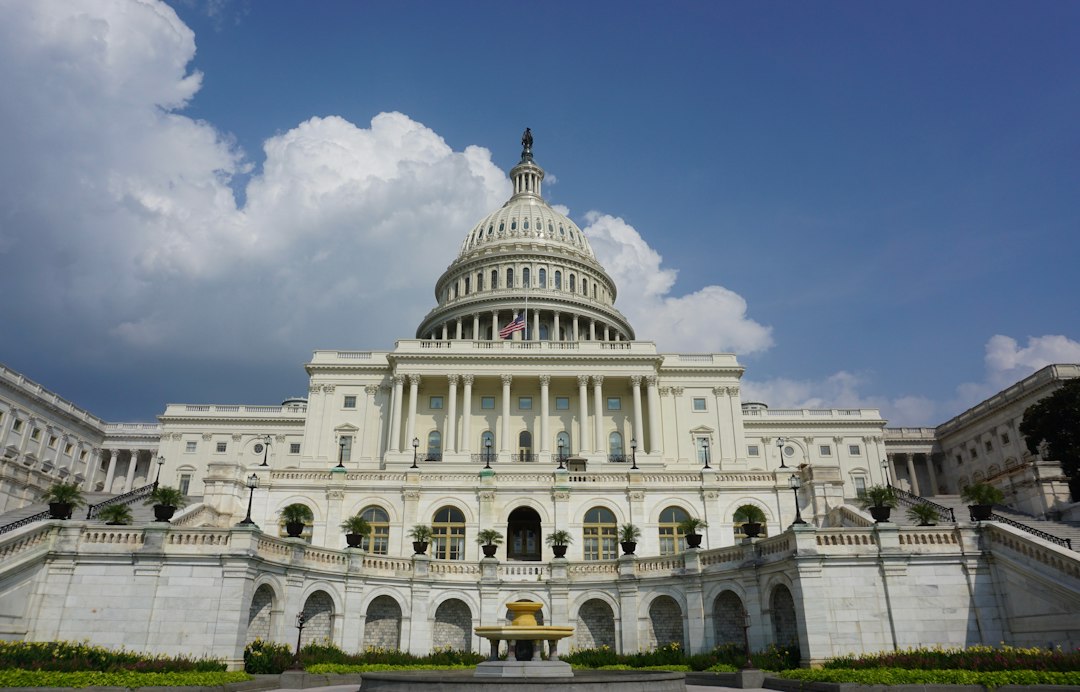
U.S. Capitol, Washington, D.C. Photo: Quick PS / Unsplash.
US history sites at a glance
| Theme | Strong examples | Why it matters |
|---|---|---|
| Founding era | Philadelphia, Boston | Independence, revolution and early government |
| Civil War | Gettysburg and related battlefields | Conflict, memory and national change |
| Civil rights | Sites across the South and Washington | Law, protest and social change |
| Federal government | Washington, D.C. | Institutions and national political history |
1. Independence Hall, Philadelphia
A central site for understanding the Declaration of Independence and the Constitutional Convention. Pair it with other Philadelphia history sites rather than treating it as an isolated photo stop.
2. Gettysburg National Military Park, Pennsylvania
One of the most important landscapes for understanding the Civil War and its human cost. Allow enough time for orientation and the battlefield rather than attempting a rushed drive-through.
3. National Mall, Washington, DC
The concentration of monuments, memorials and museums makes Washington one of the easiest places to connect political history with major collections. Our Washington DC Attractions guide helps group the area into realistic sightseeing clusters.
4. Ellis Island, New York
A major site for exploring immigration history and the experiences of millions of arrivals to the United States.
5. Statue of Liberty, New York
Best understood together with Ellis Island rather than as a standalone photo stop. Check official ferry and access information before booking.
6. Pearl Harbor, Hawaii
A major Second World War site. Treat memorial areas respectfully and check current reservation and access procedures before visiting.
7. Martin Luther King Jr. National Historical Park, Atlanta
An essential stop for understanding the life of Martin Luther King Jr. and the wider civil-rights movement.
8. Little Rock Central High School, Arkansas
A key site in the history of school desegregation and federal enforcement of civil rights.
9. Mesa Verde National Park, Colorado
Important for understanding Ancestral Pueblo communities and the much longer human history of the continent before the United States existed.
10. Taos Pueblo, New Mexico
A living Indigenous community and UNESCO World Heritage Site. Visitors should follow community rules and remember that this is not an open-air museum.
11. Alcatraz Island, California
Best known for the federal prison, but the island also has military history and a significant Native American occupation story.
12. Lowell National Historical Park, Massachusetts
A useful place for understanding industrialization, factory labor and urban growth in the nineteenth century.
Plan by historical theme
- Founding and federal government: Philadelphia + Washington, DC.
- Civil War: Gettysburg plus another battlefield or museum that fits your route.
- Civil rights: Atlanta + Little Rock, with additional sites chosen by region.
- Immigration: New York and Ellis Island, supported by museum collections and local neighborhood history.
- Indigenous history: Mesa Verde, Taos Pueblo and other sites approached with respect for living communities.
- Industrial history: Lowell and other former manufacturing regions in the Northeast.
Do not treat every site the same way
A memorial, an archaeological landscape, a living Indigenous community and a former prison require different visitor behavior. Read official guidance, respect restricted areas and avoid reducing complex histories to a quick photo.
Reservations and access can change
Some historic sites are easy walk-ins; others use timed tours, ferries, seasonal access or capacity limits. The National Park Service recommends checking each park’s current visitor page for fees, reservations, closures and safety information before arrival.
A practical 7–10 day Northeast history route
One workable example is Philadelphia for founding-era history, then New York for immigration history and finally Boston/Lowell for industrial and colonial context. Keep travel distances realistic and choose a few deep visits rather than trying to cover every historic site between cities.
How to research beyond famous landmarks
The National Historic Landmarks program lets you explore significant places by state, while the National Park Service’s historic and cultural parks can help build routes around a specific subject.
Connect history with the rest of the trip
Historical travel is usually better when it leaves room for neighborhoods, local food and ordinary city life around the major sites. Use our Travel Planning Guide for the overall itinerary and our Multi-City Trip Planning Guide when combining several cities.
Last reviewed: September 2026. Check the National Park Service and individual site websites for current access, reservation requirements and visitor rules.