Recommended for you
The Ultimate Barcelona Travel Experience: My Personal Journey
Understanding the Importance of Historical Monuments Through My Travels
I remember the exact moment the importance of historical monuments finally clicked for me. It was a brisk autumn morning in Rome, and the sky was a striking, cloudless blue. For years, my travels had been largely superficial. I would fly to a new city, check into a comfortable hotel, walk to the most famous plaza, take a quick photograph to prove I had been there, and then retreat to a nearby cafe. In those early days, my personal understanding of the importance of historical monuments was practically nonexistent. They were just old buildings to me, mere backdrops for a vacation photo. But standing there, running my hand along the rough, sun-warmed travertine of the Colosseum, something profound shifted inside my chest. I felt the weight of centuries pressing down on me, the echoes of thousands of voices, and the undeniable reality that I was standing where emperors and commoners once stood. That single, breathtaking second sparked a lifelong obsession with the true importance of historical monuments, altering the trajectory of my entire life and changing the very reason I pack my bags and cross oceans.
If you had asked me about the importance of historical monuments a decade ago, I probably would have offered a generic answer about tourism or architecture. Now, I see them as the anchors of human memory. Without these physical testaments to our past, our collective history would simply blow away like dust in the wind. The importance of historical monuments lies in their ability to make the abstract concept of ‘history’ remarkably tangible. When you read about the Roman Empire in a textbook, it feels distant, almost fictional. But when you are physically walking the uneven stones of the Roman Forum, the importance of historical monuments becomes a visceral reality. You can almost hear the clamor of the ancient markets, the debates of the senators, and the footsteps of the legionaries. This emotional connection is the very core of the importance of historical monuments, bridging the vast, intimidating gap between the modern world and the ancient civilizations that laid the groundwork for everything we know today.
The Awakening: Feeling the Importance of Historical Monuments in Athens
My journey to understand the importance of historical monuments continued in Greece. Walking up the steep, dusty path to the Acropolis in Athens, my lungs burned and the Mediterranean sun beat down mercilessly. Yet, as the majestic columns of the Parthenon came into view, all physical discomfort vanished. Here was the cradle of Western civilization. Here, the importance of historical monuments was tied directly to the birth of democracy, philosophy, and art. I sat on a limestone rock for hours, just staring. The importance of historical monuments in Athens is not just about appreciating perfectly proportioned Doric columns; it is about recognizing the physical birthplace of the ideas that govern my own society thousands of miles away. It is impossible to overstate the importance of historical monuments when standing in the shadow of such intellectual greatness.
As I watched the sun dip below the Athenian horizon, painting the ancient marble in shades of pink and gold, I reflected deeply on the educational importance of historical monuments. These sites do not merely sit there; they actively teach us. They force us to confront our origins. The importance of historical monuments serves as a massive, open-air classroom where the lessons are etched in stone rather than printed on paper. By preserving these spaces, we are ensuring that future generations have access to this unfiltered wisdom. The importance of historical monuments guarantees that my children, and my children’s children, can stand exactly where I stood and feel that same spark of connection to the ancients.
It was in Greece that I began actively seeking out these profound experiences. I realized that ignoring the importance of historical monuments was like walking through an incredible art gallery with a blindfold on. I started to plan my itineraries differently. Instead of rushing from one tourist trap to the next, I dedicated days to sitting quietly in ruins, absorbing the atmosphere. I wanted to fully immerse myself in the importance of historical monuments, to let the silence of these places speak to me. This shift in perspective was monumental. It transformed me from a mere tourist into an active participant in the ongoing human story. The importance of historical monuments had become the guiding compass for my travels.
Understanding the Importance of Historical Monuments in Egypt
Months later, I found myself standing in the shifting sands of the Giza Plateau. The Pyramids rose before me, defying logic and time. Here, the importance of historical monuments took on an almost overwhelming scale. How did they build these? Why? The sheer human ambition required to stack millions of limestone blocks is staggering. In Egypt, the importance of historical monuments is intrinsically linked to humanity’s eternal quest for immortality. The pharaohs built these grand tombs to ensure they would never be forgotten, and standing there millennia later, I had to admit they succeeded. The importance of historical monuments, in this context, is a testament to the incredible heights of human engineering and the deeply rooted human desire to leave a permanent mark on the world.
I hired a local guide, an older man named Tariq, who spoke passionately about the importance of historical monuments in his country. For him, these ancient structures were not just tourist attractions; they were his heritage, his identity, and his livelihood. Listening to Tariq, I discovered another vital layer to the importance of historical monuments: their economic and social impact. These sites provide jobs, fund local schools, and sustain entire communities. The importance of historical monuments extends far beyond the academic; it puts food on the table for the people who live in their shadows. We sat drinking sweet mint tea as Tariq explained that understanding the importance of historical monuments means respecting the modern communities that act as their caretakers.
My Related Travel Experiences
If you are enjoying this deep dive into history, you might also want to read my Ancient Ruins of Europe: Ultimate Explorer’s Guide or explore my thoughts on Travel Bucket List Guide: Top Destinations.
The Emotional Weight: The Importance of Historical Monuments at Auschwitz
Not all monuments celebrate triumph or beauty. My journey into the importance of historical monuments inevitably led me to the gates of Auschwitz-Birkenau in Poland. This was not a trip I was looking forward to, but I knew it was absolutely necessary. The importance of historical monuments is never more crucial than when they serve as warnings. Walking through those gates, a heavy, suffocating silence settled over me. It was a cold, gray day, fitting for the immense sorrow preserved in that soil. The importance of historical monuments like Auschwitz cannot be measured in architectural beauty, but in their harrowing power to document the darkest depths of human cruelty. They stand so that we never forget.
I saw the piles of shoes, the suitcases with names hastily scrawled on them, and the cramped barracks. Tears streamed down my face. Here, the importance of historical monuments was almost too much to bear. But it is precisely because it is so painful that the importance of historical monuments of this nature must be fiercely protected. We have a tendency to want to bury our worst mistakes, to look away from the ugly parts of our history. The importance of historical monuments forces us to keep our eyes open. They demand that we remember the victims and stay eternally vigilant against hatred. As I left the camp, my heart heavy, my conviction regarding the importance of historical monuments was stronger than ever. They are the conscience of humanity.
The Cultural Importance of Historical Monuments in Asia
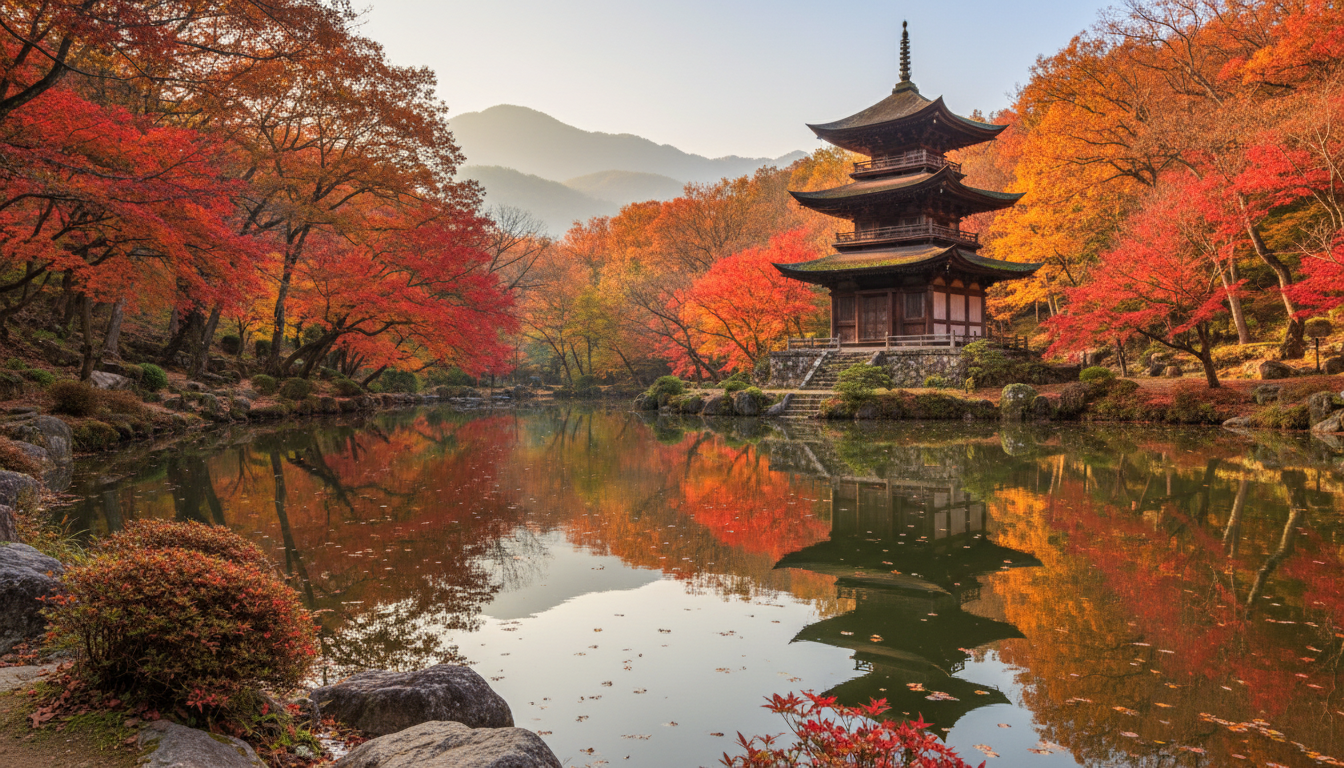
Seeking balance after the emotional toll of Europe, I traveled to Cambodia. The jungle-clad temples of Angkor Wat offered a completely different perspective on the importance of historical monuments. Here, I witnessed an epic battle between human creation and the raw power of nature. Giant silk-cotton trees wrapped their massive roots around intricately carved stone faces. The importance of historical monuments in this jungle setting was deeply philosophical. It showed me that no matter how mighty an empire might be, time and nature eventually reclaim everything. Understanding the importance of historical monuments at Angkor Wat is an exercise in humility. It reminds us of our fleeting place in the grand timeline of the earth.
Wandering through the humid, moss-covered corridors, I marveled at the devotion required to carve such detailed reliefs. The importance of historical monuments here is deeply tied to spiritual devotion. The Khmer people built these magnificent structures as a bridge between the mortal realm and the divine. The importance of historical monuments in Asia often reflects this deep spiritual connection, serving as active sites of worship and pilgrimage even today. Seeing Buddhist monks in vibrant saffron robes walking through the ancient gray ruins added a beautiful, living layer to the importance of historical monuments. They are not dead relics; they are living, breathing entities still serving their spiritual purpose centuries later.
The Industrial Age: The Importance of Historical Monuments in Paris
Returning to Europe, I visited Paris. Standing beneath the intricate iron latticework of the Eiffel Tower, I pondered a different kind of history. The importance of historical monuments is not exclusively reserved for ancient temples or somber memorials. Sometimes, the importance of historical monuments lies in celebrating human innovation and the dawn of new eras. The Eiffel Tower was once despised by locals, seen as a metallic eyesore. Today, it is the beloved symbol of France. The importance of historical monuments like this one highlights our journey through the Industrial Revolution and our relentless drive to push the boundaries of engineering.
I took the elevator to the top and looked out over the sprawling city of Paris. The streets, the buildings, the Seine river—it was all a living museum. The importance of historical monuments is woven into the very fabric of Paris. From Notre-Dame to the Arc de Triomphe, these structures dictate the layout and the rhythm of the city. The importance of historical monuments is essential for giving cities their distinct character and soul. Without them, Paris would just be another dense urban grid. The importance of historical monuments provides a visual and cultural anchor, giving citizens a shared sense of pride and identity that transcends individual differences.
Bringing it Home: The Local Importance of Historical Monuments
After years of circling the globe, I finally returned to my own small hometown. Walking through the quiet local park, I stopped in front of a modest bronze statue commemorating the founders of our town. Before my travels, I had passed this statue a thousand times without a second glance. But now, with a heart deeply attuned to the importance of historical monuments, I stopped and truly looked at it. I read the plaque. I touched the weathered bronze. The importance of historical monuments is not just a global phenomenon; it is intensely local. This small statue held the same fundamental power as the Colosseum: the power of remembrance.
I realized that the importance of historical monuments in our own backyards is just as critical as those recognized by UNESCO. They tell the specific, intimate stories of our direct ancestors. They explain why our streets are named the way they are, why our local festivals exist, and how our specific community came to be. The importance of historical monuments on a local level fosters community cohesion. When we gather around the town square memorial on holidays, we are actively participating in the importance of historical monuments. We are linking arms with our past to steady ourselves for the future.
The Threat: Preserving the Importance of Historical Monuments
Unfortunately, my travels also exposed me to the fragility of these places. The importance of historical monuments is currently under threat from multiple fronts. In Venice, I saw the rising tides threatening ancient palaces. In parts of the Middle East, war has indiscriminately erased thousands of years of heritage in mere seconds. Even mass tourism, if unmanaged, chips away at the very foundations of these sites. Realizing the importance of historical monuments means accepting the responsibility to protect them. The importance of historical monuments demands our active stewardship. We cannot take for granted that these stones will stand forever without our help and our deliberate preservation efforts.
We must advocate for the importance of historical monuments in our local governments, support conservation funds, and practice sustainable tourism. When I travel now, my awareness of the importance of historical monuments dictates my behavior. I don’t climb on restricted ruins, I don’t take pieces of stone as souvenirs, and I gladly pay entrance fees knowing they fund restoration. The importance of historical monuments is a shared global inheritance, and it requires a shared global effort to maintain it. If we fail to recognize the importance of historical monuments, we risk plunging future generations into historical amnesia, untethered from the profound lessons of the past.
A Lifelong Commitment to the Importance of Historical Monuments
Looking back at the rainy afternoons in Rome, the scorching days in Egypt, and the silent moments in Poland, I am overwhelmed by gratitude. The importance of historical monuments has enriched my life in ways I never thought possible. They have made me a more empathetic, curious, and grounded human being. The importance of historical monuments taught me that while human life is brief, the human spirit is enduring. We build, we create, we mourn, and we remember. The importance of historical monuments encapsulates all of these verbs into physical form.
I will continue to travel, and I will continue to seek out these ancient spaces. The importance of historical monuments will forever be the North Star of my journeys. They remind me that I am part of a vast, complex, and beautiful continuum. The importance of historical monuments is, ultimately, the importance of humanity itself. Whenever I feel lost or disconnected in our fast-paced, digital modern world, I know I can always return to these stones. Because grasping the importance of historical monuments is the closest thing we have to time travel, allowing us to converse with the ghosts of our past and carry their invaluable wisdom into our collective future.