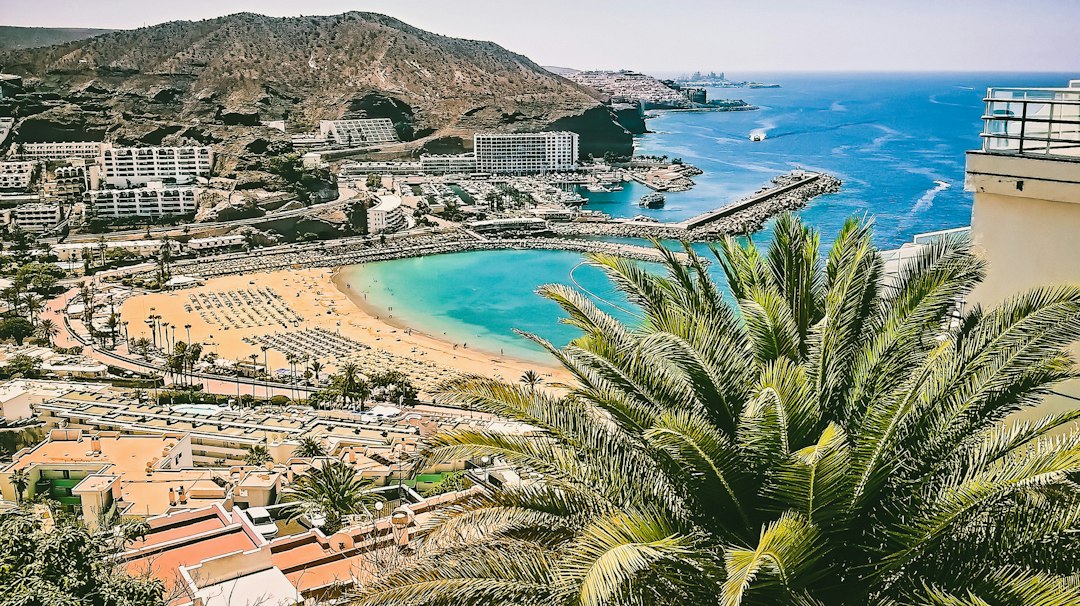
Gran Canaria has a huge accommodation market, but the best beachfront area depends on whether you want dunes, a city beach, a family resort, a polished promenade or a smaller harbour base. Choosing the right area is usually more important than chasing a generic list of “best hotels.”
Official Gran Canaria tourism statistics group the island’s main visitor zones around Las Canteras, Maspalomas/Meloneras, Playa del Inglés and the Mogán coast, including Puerto Rico, Amadores, Taurito and Puerto de Mogán. That makes the first decision simple: choose the part of the island that fits your trip, then compare hotels within that zone.
Official Gran Canaria tourism website
Gran Canaria beach areas at a glance
| Area | Best for | Trade-off |
|---|---|---|
| Las Canteras | City + beach | Urban rather than resort atmosphere |
| Maspalomas / Meloneras | Resorts, dunes and promenade | Can be more expensive |
| Puerto Rico | Sunny resort stay and families | Hilly terrain in some hotel zones |
| Puerto de Mogán | Quieter marina atmosphere | Smaller choice of large beachfront hotels |
Las Canteras — best for city + beach
Las Canteras in Las Palmas is the strongest choice if you want a long urban beach with restaurants, museums, shopping and normal city life around it. It is particularly useful for travelers who do not want to rent a car.
Choose it when the trip is split between beach time and city sightseeing. It is less suitable if your idea of Gran Canaria is a self-contained southern resort with large pools and all-inclusive facilities.
Maspalomas — best for dunes and resort scale
Maspalomas is defined by its dune landscape and long southern coastline. Accommodation ranges from large resorts to apartment complexes and villas. The important detail is location: some properties marketed as “Maspalomas” sit well inland, so check the actual walking route to the beach or dunes rather than the straight-line distance on a map.
Meloneras — best for a polished resort atmosphere
Meloneras offers a planned waterfront environment, large hotels, promenade dining and easy access toward the Maspalomas lighthouse and dunes. It generally suits travelers prioritizing resort comfort, evening walks and a more polished atmosphere.
It can be more expensive than nearby areas, so compare the total stay cost rather than assuming a higher nightly rate automatically means better value.
Playa del Inglés — best for choice and activity
Playa del Inglés has one of the largest concentrations of accommodation, restaurants and nightlife on the island. It works well for travelers who want lots of choice and do not need a quiet resort atmosphere.
Because the area is large, check the exact location of the hotel relative to the beach, nightlife areas and public transport. Two properties with the same “Playa del Inglés” label can create very different trips.
Puerto Rico and Amadores — best for sheltered resort beaches
These south-western areas are popular for winter sun and family resort stays. Amadores is especially associated with a compact, sheltered beach environment, while Puerto Rico has a larger resort-and-marina feel.
The terrain is steep. A hotel that appears close to the sea on a map may involve significant slopes, stairs or a long downhill walk. Families with pushchairs and travelers with reduced mobility should check the real pedestrian route before booking.
Puerto de Mogán — best for a smaller harbour base
Puerto de Mogán suits travelers who want a compact harbour atmosphere, restaurants and beach access without the scale of Maspalomas or Playa del Inglés. It works especially well for couples and slower trips built around walking rather than nightlife.
Accommodation supply is smaller, so popular dates can become expensive earlier than in the island’s largest resort zones.
San Agustín — best for a quieter south-coast stay
San Agustín is useful when you want the convenience of the southern tourist zone without being in the busiest part of Playa del Inglés. It can work well for couples and families who prefer a calmer base but still want restaurants and transport nearby.
What “beachfront” actually means
Do not rely only on the hotel name. Check satellite view and the hotel’s official map. A property can be marketed as beachfront while still having a road, promenade, cliff, lift or long access path between the rooms and the sand.
- Is there direct pedestrian access to the beach?
- Are there stairs, steep ramps or lifts?
- How long is the walk from the room area to the sand?
- Is the beach suitable for the way you intend to use it?
Seven things to compare before booking
- Actual walking route: not just map distance.
- Hills and accessibility: especially around Puerto Rico, Amadores and cliffside properties.
- Pool temperature: ask whether pools are heated during cooler months if that matters to you.
- Parking: important if you plan to explore the interior of the island.
- Meal plan: half-board or all-inclusive can reduce your flexibility to use local restaurants.
- Resort size: large properties can involve long internal walks.
- Final price: compare breakfast, parking, spa access and other extras, not only the room rate.
Which area fits which trip?
- City + beach: Las Canteras.
- Dunes and large resorts: Maspalomas.
- Upscale promenade stay: Meloneras.
- Busy resort zone: Playa del Inglés.
- Family resort beach: Amadores or Puerto Rico.
- Small harbour atmosphere: Puerto de Mogán.
- Quieter south coast: San Agustín.
Useful Hispaads guides before booking
For island-wide beach ideas, see Best Beaches in the Canary Islands. For hotel price comparison, use How to Find Cheap Hotels and the Travel Booking Toolkit.
Last reviewed: September 2026. Hotel facilities, access arrangements and prices change frequently; confirm important details directly with the property before booking.