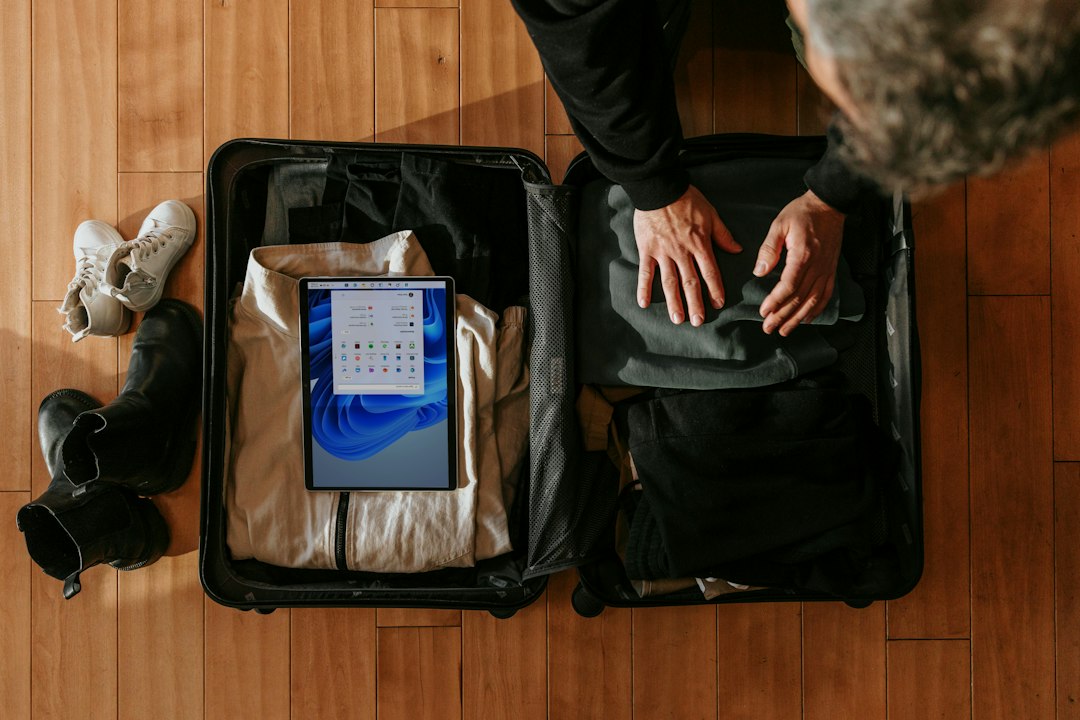
Packing light is easier when you design a small travel wardrobe around repeat use instead of packing one outfit for every possible situation. The goal is not to own less; it is to carry only what the trip actually requires.
If you are still structuring the whole trip, the Travel Planning Guide helps you decide transport, accommodation and itinerary before you build the final packing list.
Start with trip constraints
- weather and temperature range;
- trip length;
- laundry access;
- formal events;
- walking and activity level;
- airline baggage limits;
- whether you will change hotels often.
A one-bag packing list for a city break should not look identical to one for a hiking trip or beach resort.
A simple clothing formula
For many one-week trips, a compact starting point is several interchangeable tops, two or three bottoms, one warmer layer, underwear, sleepwear and the shoes you genuinely need.
Adjust for climate and activities rather than following a rigid universal list.
Build a small color system
You do not need a “capsule wardrobe” in a fashion sense. Just make sure most tops work with most bottoms. This reduces the number of pieces required without forcing you to wear identical outfits.
Choose clothes that work together
If a garment only works with one other item, it has to justify the space. Prioritize clothing that can be worn during the day and again for a casual dinner.
Shoes take disproportionate space
Wear the bulkiest pair in transit when practical and avoid packing backup shoes for hypothetical situations.
For many city trips, one comfortable walking pair plus one genuinely necessary alternative is enough.
Plan laundry instead of packing for every day
| Trip length | Useful approach |
|---|---|
| 3–4 days | Usually no laundry needed |
| 5–8 days | Small hand wash or one laundry stop can reduce clothing |
| 9+ days | Pack roughly for a week and plan laundry |
For long trips, laundry is usually a better strategy than carrying two weeks of clothing.
Pack layers instead of one bulky item
A base layer, mid-layer and weather layer are often more flexible than one very heavy garment. This is especially useful when a trip includes different elevations or indoor/outdoor temperature changes.
Toiletries
Decant only what you will use, respect cabin-liquid rules and remember that common toiletries are usually easy to replace at the destination.
Do not carry hotel-provided items unless you have a strong personal preference.
Electronics
Bring devices that have a clear role. One phone, one charger and a compact power bank can cover navigation, tickets, photography and communication for many travelers.
A laptop, tablet, camera and e-reader can all be useful individually, but carrying all of them on a leisure trip often creates more weight than value.
Use packing cubes for organization, not magic compression
Cubes help separate categories and make repacking easier, but they do not reduce the weight of what you carry. The biggest saving comes from removing unnecessary items.
Use the personal item intelligently
Keep essentials and items you cannot easily replace there:
- passport and wallet;
- medication;
- phone and charging cable;
- one change of underwear or clothes on long-haul trips;
- important tickets and addresses;
- valuable electronics.
Wear your travel outfit strategically
Use transit for heavier shoes, jacket or sweater when comfortable. Do not wear so much that airport security and temperature changes become inconvenient.
What people commonly overpack
- too many shoes;
- duplicate toiletries;
- clothes for unlikely formal events;
- multiple gadgets doing the same job;
- large “just in case” items that are easy to buy locally;
- an outfit for every day with no repeat use.
Use a “buy there if needed” rule
If an item is inexpensive, easy to find and unlikely to be needed, consider leaving it out. This does not apply to medication, specialized equipment or items that are difficult to replace.
Leave space for the return trip
Do not pack the bag to 100% capacity. Repacking rarely produces the same neat result as packing at home, and you may add food, documents or a small souvenir.
Check weight as well as dimensions
A bag can be physically small and still exceed an airline’s weight limit. Weigh it after packing and verify the current rules for your specific fare and carrier.
A 10-minute packing-light method
- Lay out everything you want to take.
- Remove one pair of shoes if possible.
- Remove duplicate electronics.
- Check every clothing item works with at least two outfits.
- Remove items already supplied by the accommodation.
- Plan laundry if the trip exceeds a week.
- Put essentials in the personal item.
- Weigh the bag.
Carry-on test before leaving
- Can you lift and carry the bag comfortably?
- Does it fit your airline’s current size rules?
- Is it below the allowed weight?
- Can you find medication and documents without unpacking everything?
- Is there a little free space left?
Related packing guides
For beach-specific packing, see Beach Holiday Packing List and How to Pack for a Week-Long Beach Vacation.
Last reviewed: September 2026.