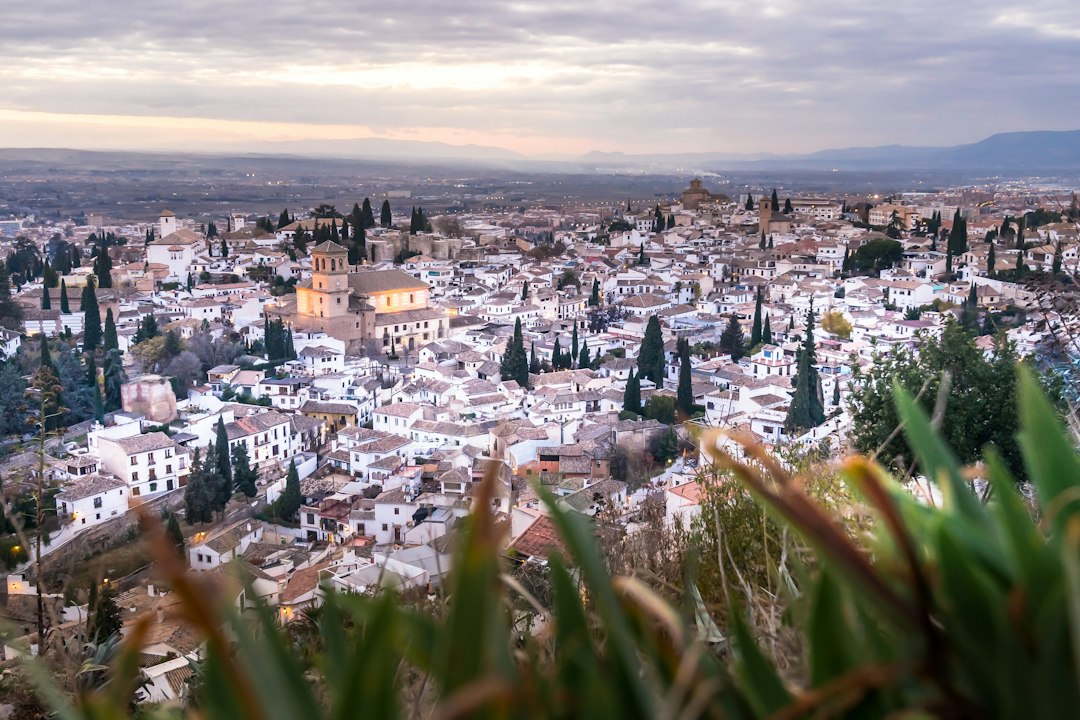
Spain is easy to underestimate as a travel destination. It looks compact on a map, but a trip built around Madrid feels very different from one based in Barcelona, Tenerife, Cantabria or inland Castile. The best itinerary depends less on collecting famous sights and more on matching regions, seasons and travel pace to the kind of holiday you actually want.
This Spain travel guide brings together the practical destination guides already published on Hispaads Travel and adds the planning context that helps you decide where to go, how to combine stops and what to book first. Use it as a starting point, then follow the detailed guides for each city, island or theme.
Where should you go in Spain?
For a first visit, it is usually better to choose one or two regions well than to cross the country every other day. Spain rewards slower travel: neighborhoods change character from morning to night, lunch is often a social event rather than a quick stop, and many worthwhile places sit outside the headline attractions.
- Madrid works well for art, historic neighborhoods, food, nightlife and day trips from a central base.
- Barcelona combines architecture, urban beaches, markets and strong neighborhood identities.
- Ávila and inland Castile suit travelers who want medieval history, quieter towns and road-trip scenery.
- Tenerife is a strong choice for volcanic landscapes, beaches and a climate that can make island travel attractive outside the traditional summer season.
- Málaga and the Costa del Sol work well for travelers who want a city break with easy access to the Mediterranean coast.
- Cantabria is ideal for a greener, food-focused northern Spain trip with smaller cities, coast and countryside.
If you are still comparing regions, start with our guide to the best attractions in Spain. It is useful for seeing how very different destinations can fit into one larger trip.
Madrid: best for museums, neighborhoods and an easy central base
Madrid is one of the easiest places to build a flexible Spain itinerary around. You can spend several days on the historic center, Retiro, major museums and local neighborhoods, then add day trips without changing hotels. It is also a practical arrival point if you plan to continue by rail to other large cities.
Our Madrid travel guide breaks the city down by neighborhoods, sights, food and practical planning. A useful approach is to group each day geographically rather than jumping between attractions on opposite sides of the city.
Barcelona: architecture, neighborhoods and Mediterranean atmosphere
Barcelona can be excellent for a short city break, but it becomes more rewarding when you plan around neighborhoods rather than a checklist of landmarks. The Gothic Quarter, Eixample, Gràcia and the waterfront each create a different experience, so where you stay can change the feel of the trip.
Use the main Barcelona travel guide for an overview. If accommodation is the difficult part, compare our Barcelona neighborhood guide, hotel picks by area and trip style and guide to finding better-value hotels. For a quieter seasonal alternative, there is also a dedicated Barcelona in winter guide.
Ávila: medieval walls, compact sightseeing and rural routes
Ávila offers a very different Spain from the largest cities. The historic center is compact, the medieval walls dominate the experience and the surrounding province opens the door to villages, mountains and slower road-trip days. It can work as a day trip, but staying overnight changes the pace and gives you more time after the busiest visiting hours.
For the city itself, see what to see in Ávila. If you have a car or more time, continue with the Ávila Province travel guide for villages, landscapes and historic routes.
Tenerife: beaches are only part of the trip
Tenerife works best when you think of it as several micro-destinations rather than one resort island. The north and south differ in weather, landscape and atmosphere, while volcanic terrain and smaller coastal areas make driving especially useful for travelers who want to explore beyond their hotel zone.
For a quieter side of the island, explore our quiet beaches in Tenerife. If you are choosing a base, the Tenerife hotel guide explains how the main areas suit different trip styles.
Málaga and southern Spain
Málaga is useful for travelers who want culture and city life without giving up easy access to the coast. It can be a destination in its own right rather than simply an airport gateway. Where you stay matters: a central base favors museums, restaurants and walking, while coastal areas make more sense if beach time is the priority.
See our guide to the best areas and hotels in Málaga before booking. It is designed to help you choose by location and travel style instead of treating every hotel as interchangeable.
Northern Spain: make room for Cantabria
Northern Spain often feels greener, cooler and less resort-driven than the Mediterranean coast. Cantabria is a good example: food, small cities, mountain scenery and the coast can all fit into the same trip without requiring huge distances.
Food is one of the easiest ways to understand the region. Our Cantabria food guide covers dishes and local products worth looking for instead of reducing Spanish cuisine to the same few internationally known classics.
What to eat in Spain
Spanish food changes dramatically by region, so one of the best travel habits is to look for local specialties rather than ordering the same dishes everywhere. Markets can be useful, but so can neighborhood bakeries, small bars and restaurants a few streets away from the busiest tourist corridors.
For a practical introduction, use our Spanish street food guide. It covers snacks, markets and regional bites and is a useful companion when you want to eat casually without turning every meal into a restaurant reservation.
When is the best time to visit Spain?
There is no single best month for the whole country. Summer can be ideal for beach-focused trips, but inland cities can be hot and busy. Spring and autumn often make city sightseeing more comfortable, while winter can be surprisingly useful for cultural trips, lower-demand periods in some destinations and mountain activities.
Your best dates depend on three things: the region, your tolerance for heat or rain, and whether you value weather certainty more than lighter crowds. An island trip, a Madrid museum break and a northern road trip should not use the same seasonal rule.
Getting around: train, car or plane?
For major cities, rail is often the simplest option because it avoids parking and puts you close to central areas. A car becomes more valuable for villages, rural routes, mountain areas and trips where you plan several small stops. Domestic flights can make sense when distances are large or when the islands are part of the itinerary.
- Use trains for many city-to-city itineraries when the route is convenient.
- Rent a car when the trip depends on villages, beaches, mountains or flexible rural stops.
- Fly when an island or a long cross-country jump would otherwise consume too much of a short holiday.
- Do not rent a car by default for Madrid or central Barcelona unless it is needed for the next stage of your trip.
How many days do you need?
A useful rule is to count full usable days, not hotel nights. A three-night stay may give you only two complete sightseeing days once arrival and departure are included. For first-time visitors, two or three bases usually create a better one-week trip than trying to visit five cities.
- 3–4 days: focus on one city or one island base.
- 7 days: combine two compatible destinations, or explore one region in more depth.
- 10–14 days: mix major cities with a smaller historic or coastal stop without spending every day in transit.
A simple way to build your Spain itinerary
- Choose the main purpose of the trip: culture, coast, food, nature, nightlife, family travel or a mix.
- Pick one anchor destination that best matches that goal.
- Add only places that connect naturally by geography or transport.
- Decide which days genuinely need advance reservations.
- Leave unplanned space for neighborhoods, meals and weather changes.
- Book accommodation only after deciding how you will move between stops.
If you want a more systematic process, use the Hispaads Travel Planning Guide and the Travel Booking Toolkit. They are designed to help with the practical decisions that come after choosing the destination.
Common Spain trip-planning mistakes
- Trying to cover too much. Frequent hotel changes can turn a holiday into a transport schedule.
- Choosing accommodation only by price. A cheaper room can cost more in time and local transport if the location does not fit your plans.
- Assuming every region has the same climate. Northern, inland, Mediterranean and island destinations can behave very differently.
- Planning meals too early. Local dining rhythms may be later than some visitors expect, especially for dinner.
- Ignoring smaller places. Some of the most memorable days can come from a compact historic city, village or coastal area rather than another major landmark.
Spain travel guide: quick decision table
| If you want… | Start with… | Why |
|---|---|---|
| Museums and city life | Madrid | Strong cultural offering, neighborhoods and easy onward connections |
| Architecture and Mediterranean city atmosphere | Barcelona | Distinct neighborhoods, major sights and coast in one trip |
| Medieval history and a quieter pace | Ávila | Compact historic center plus rural options nearby |
| Island landscapes and beaches | Tenerife | Volcanic scenery, varied coast and multiple resort areas |
| City plus southern coast | Málaga | Culture, food and easy access to Mediterranean areas |
| Green landscapes and regional food | Cantabria | Northern coast, countryside and strong local food identity |
Keep planning your trip
Use this page as the overview and move into the destination guides that match your route. The goal is not to see “all of Spain” in one visit; it is to build a trip where the places, travel time, budget and pace make sense together. A well-planned seven days in two areas will usually feel richer than a rushed week spent checking off cities.