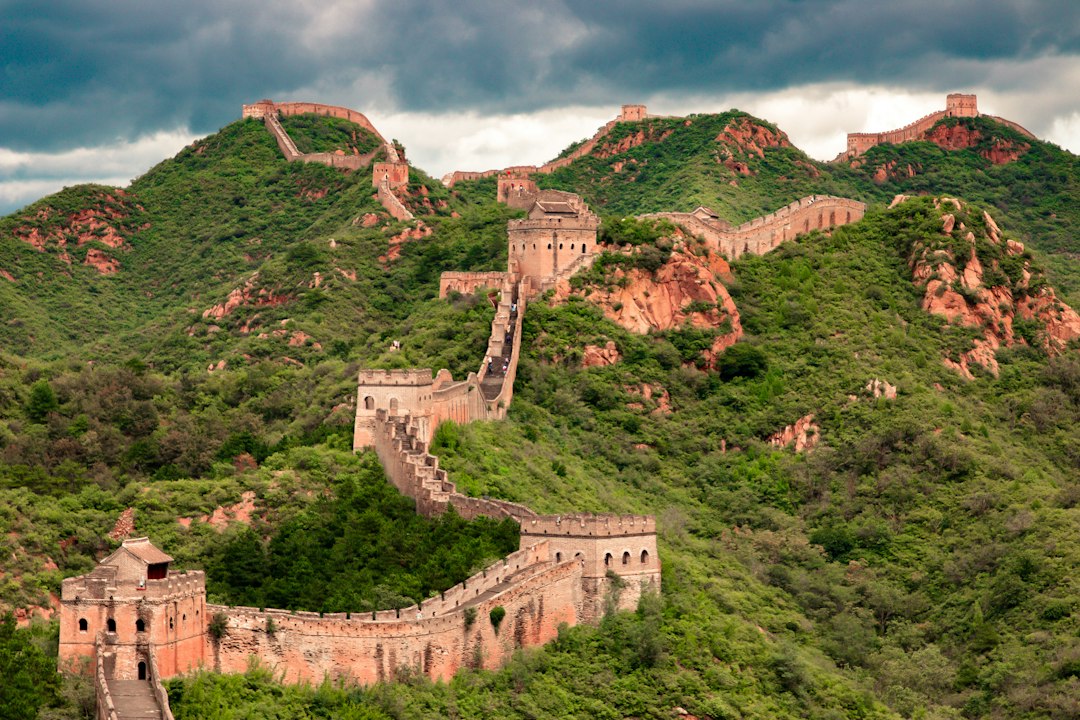
The Great Wall of China is not one continuous tourist attraction with a single entrance. Around Beijing, different sections offer very different experiences: heavily restored and accessible routes, scenic mountain walks and more remote stretches that require extra time and planning.
For most first-time visitors based in Beijing, the practical decision is usually between Badaling, Mutianyu and Jinshanling.
Which Great Wall section should you choose?
| Section | Best for | Main trade-off |
|---|---|---|
| Badaling | Easy access, established facilities, first-time visitors | Often the busiest |
| Mutianyu | Scenery + restoration + visitor infrastructure | Still popular |
| Jinshanling | Longer walking, photography, quieter feel | Farther from central Beijing |
Badaling: easiest for infrastructure
Badaling is one of the best-known and most developed sections. It is a practical choice if straightforward access, established visitor facilities and a shorter logistics chain matter more than avoiding crowds.
The trade-off is popularity. If you dislike dense visitor flows, do not assume the most famous section is automatically the best choice.
Mutianyu: the strongest all-round option for many visitors
Mutianyu lies in Beijing’s Huairou District and is a well-preserved Ming-era section with numerous watchtowers and mountain scenery. Beijing’s official English-language government site describes it as one of the finest surviving Ming sections and notes visitor facilities including cable cars and the alpine slide.
For many first-time visitors, Mutianyu offers a useful balance: impressive scenery, a substantial stretch of wall and enough infrastructure to adapt the visit for different fitness levels.
See the official Beijing Government Mutianyu guide.
Current Mutianyu access: verify before departure
Beijing’s official tourism information provides public-transport directions from Dongzhimen via Huairou and local buses. It also publishes current ticketing and opening details, which can change seasonally.
For special evening openings and seasonal events, use the official scenic-area information rather than an old travel blog. Beijing published a 2026 night-tour notice with extended shuttle-bus and cable-car hours on selected dates, illustrating why opening times should always be checked close to travel.
Jinshanling: better for a longer walking experience
Jinshanling is farther from central Beijing and better suited to travelers who want more time walking, photography and a less urbanized setting. The extra transfer time makes it less efficient for a rushed half-day visit.
See the Visit Beijing Jinshanling overview and verify current access before departure.
What about unrestored or “wild” sections?
Photos of crumbling, steep stretches can look appealing, but not every part of the wall is legally open or safe. Do not assume a route shown in an old hiking blog is currently permitted. Follow local access rules and established routes when conditions are uncertain.
How much time should you allow?
From Beijing, treat a Great Wall visit as the main activity of the day. Transport, ticketing, shuttle transfers, walking, rest stops and the return journey can easily use most of the daylight available.
- Half-day: realistic only with efficient transport and a focused section.
- Full day: better for Mutianyu, Badaling or Jinshanling without rushing.
- Long walking day: choose the route around your fitness and transport, not simply the section name.
How difficult is the walking?
Even restored sections contain steep slopes and uneven stairs. Difficulty depends on the entrance, direction, cable-car use and distance you choose to walk.
If traveling with children, older relatives or someone with limited mobility, plan around the least mobile member of the group.
Cable car, chairlift or walking from the base?
At Mutianyu, mechanical uplift can reduce the amount of climbing before you reach the wall. That can make a major difference for families and mixed-fitness groups. Decide before arrival whether the goal is maximum hiking or maximum time on the wall.
What to wear and carry
- shoes with reliable grip;
- water appropriate to season and route;
- sun protection;
- warm/windproof layers in colder months;
- rain protection when conditions require it;
- a small bag rather than unnecessary luggage.
Independent visit or organized tour?
Independent travel gives more control over how long you stay. A reputable tour can simplify transport and language logistics. Compare the actual time on the wall, entrance inclusions, cable-car/shuttle costs and transport—not only the advertised trip duration.
Avoid itineraries where unrelated shopping stops consume a large part of the day unless those stops genuinely interest you.
Best time of day
An early arrival generally gives more walking time and can help before the largest visitor flows. Seasonal weather, public holidays and special events matter more than a universal “best month.”
Responsible visiting
Stay on permitted routes, do not carve or remove material, and respect barriers protecting fragile sections. The Great Wall is a historic structure and UNESCO World Heritage property, not simply an outdoor viewpoint.
Quick decision
- Badaling: choose it if established infrastructure and straightforward access matter most.
- Mutianyu: choose it for the best balance of scenery, restoration and flexible visitor facilities.
- Jinshanling: choose it if walking and a quieter setting matter more than transfer time.
Continue planning your China trip
For broader cultural-trip ideas, see Why Historical Monuments Matter, our Travel Bucket List and the Travel Planning Guide.
Last reviewed: October 2026. Opening hours, tickets, transport and special evening access can change; verify current information on official Beijing tourism sources before departure.