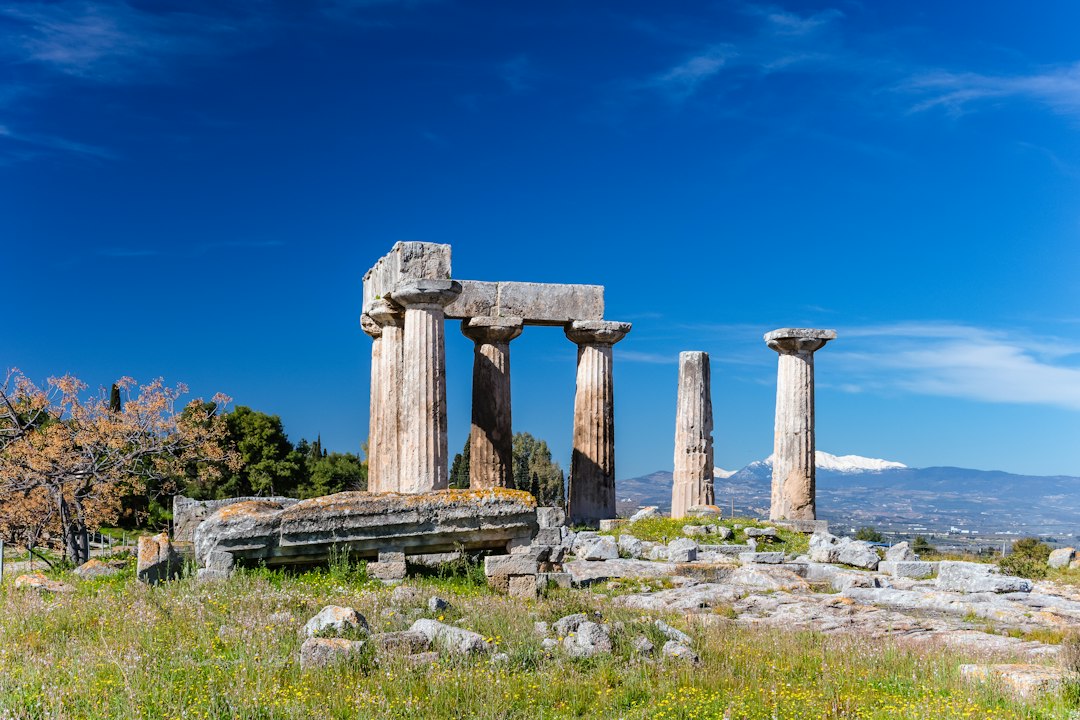
Historical monuments matter because they preserve physical evidence of how societies built, governed, worshipped, fought, traded and remembered. Their value goes far beyond being old structures or popular photo stops.
They can be sources of historical evidence, places of collective memory, active religious or civic spaces, educational resources and economic assets. They can also be contested, fragile and vulnerable to the pressures created by the very tourism that helps fund them.
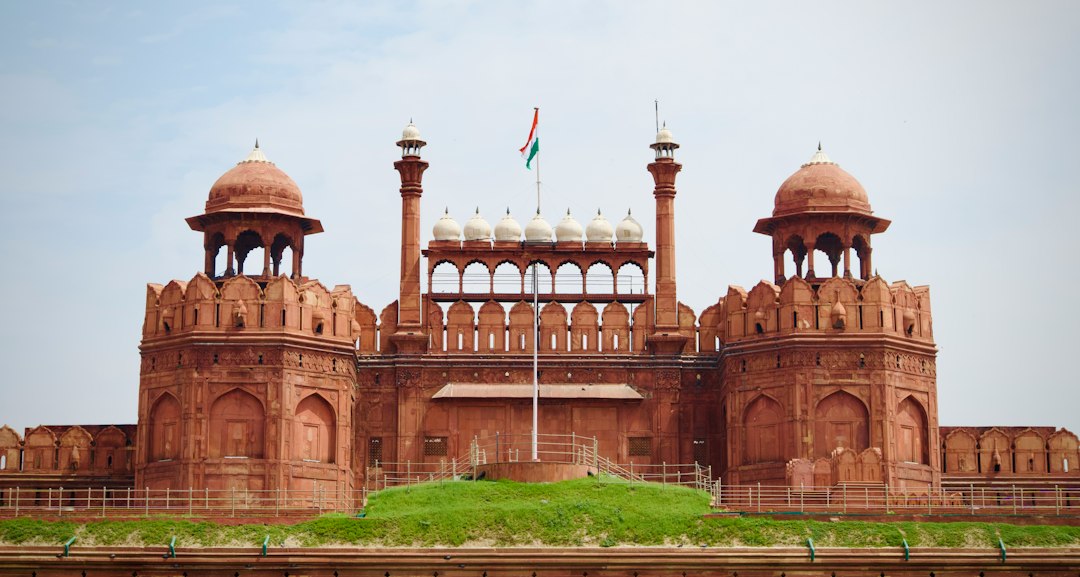
Historic places carry cultural meaning beyond their value as visitor attractions. Photo: Jayanth Muppaneni / Unsplash.
1. They preserve cultural memory
A monument can preserve architectural methods, inscriptions, symbols, artistic styles and evidence of the values of the people who created it. Later generations may interpret the same monument differently, which is itself part of its history.
2. They make history tangible
Reading the dimensions of a fortress or cathedral is different from experiencing its scale, materials and relationship with the surrounding landscape. Physical places help visitors understand geography and engineering in ways that text alone cannot.
3. They support education and research
Archaeologists, architects, historians, conservators and students use historic buildings and sites as primary evidence. Museums, visitor centres and guided interpretation can connect that specialist research with the general public.
4. They preserve craftsmanship and technology
Historic structures record building techniques that may no longer be common: stone cutting, timber framing, metalwork, hydraulic engineering, defensive design and decorative crafts. Conservation can also keep specialist skills alive.
5. They can strengthen local identity
People may associate a monument with the story of a city, region, faith or community. That connection can be positive, complicated or disputed. Responsible interpretation should acknowledge those layers rather than present one simplified narrative.
6. Heritage tourism can support local economies
Visitors spend money on guides, museums, accommodation, food and transport. When tourism is managed well, that can support conservation and local livelihoods.
UNESCO’s World Heritage and Sustainable Tourism Programme emphasizes that tourism and heritage management should be planned together so cultural and natural assets are protected while communities benefit. See the UNESCO sustainable tourism programme.
7. Tourism can also damage the thing people came to see
Overcrowding, touching surfaces, climbing, litter, vibration, inappropriate development and pressure on local neighborhoods can all harm heritage. Popularity is therefore not automatically the same as successful heritage management.
Monuments can be contested
Some monuments commemorate political systems, colonial histories, wars or individuals whose legacy is disputed. A useful visit asks not only “what is this?” but also “who built it, why, who was excluded, and how has its meaning changed?”
Monument, landmark or heritage site?
| Term | Typical meaning |
|---|---|
| Monument | A structure or object with historical, cultural or commemorative significance |
| Landmark | A recognizable place or feature used for identity or orientation |
| Heritage site | A place valued for cultural, historical, archaeological or natural significance |
The categories can overlap. The Great Wall of China, for example, is simultaneously a vast historic structure, global landmark and World Heritage property.
How to visit historical sites responsibly
- Stay on permitted routes.
- Do not carve, scratch or remove material.
- Do not touch fragile art or surfaces unless explicitly permitted.
- Respect active religious and ceremonial use.
- Follow photography restrictions.
- Choose legitimate guides where interpretation adds value.
- Support official conservation fees when applicable.
- Avoid treating local residents as part of an attraction.
Questions that make a monument more interesting
- What problem was the structure built to solve?
- Who paid for and built it?
- Which materials and techniques were used?
- How has the site changed since construction?
- What parts are original, reconstructed or restored?
- How do local people understand the site today?
Original, restored and reconstructed are not the same
Historic places often contain a mixture of original fabric, later repairs, reconstruction and modern safety work. Good interpretation should make that visible rather than implying every stone is untouched from the date of construction.
Accessibility is part of responsible heritage tourism
Old buildings were rarely designed for modern accessibility. Before visiting, check official information about steps, lifts, uneven surfaces, accessible entrances and adapted tours. This avoids turning a meaningful site into an unnecessarily difficult experience.
Photography can have cultural as well as conservation limits
A photography ban may protect fragile art, preserve worship or reduce disruption. Follow the rule even when other visitors ignore it; access to a place does not automatically mean every activity is permitted.
For examples, see our Great Wall of China Guide, Ancient Ruins in Europe and Sagrada Família Architecture & History.
Last reviewed: October 2026.