
Finding a cheap flight is less about secret booking tricks and more about comparing the right variables: dates, airports, fare conditions, baggage, connections and how much flexibility you actually have.
There is no reliable rule that says booking on Tuesday, searching at 6 a.m. or using incognito mode will always produce a lower fare. A better system is to use flexible-search tools, track prices and compare the true trip cost.
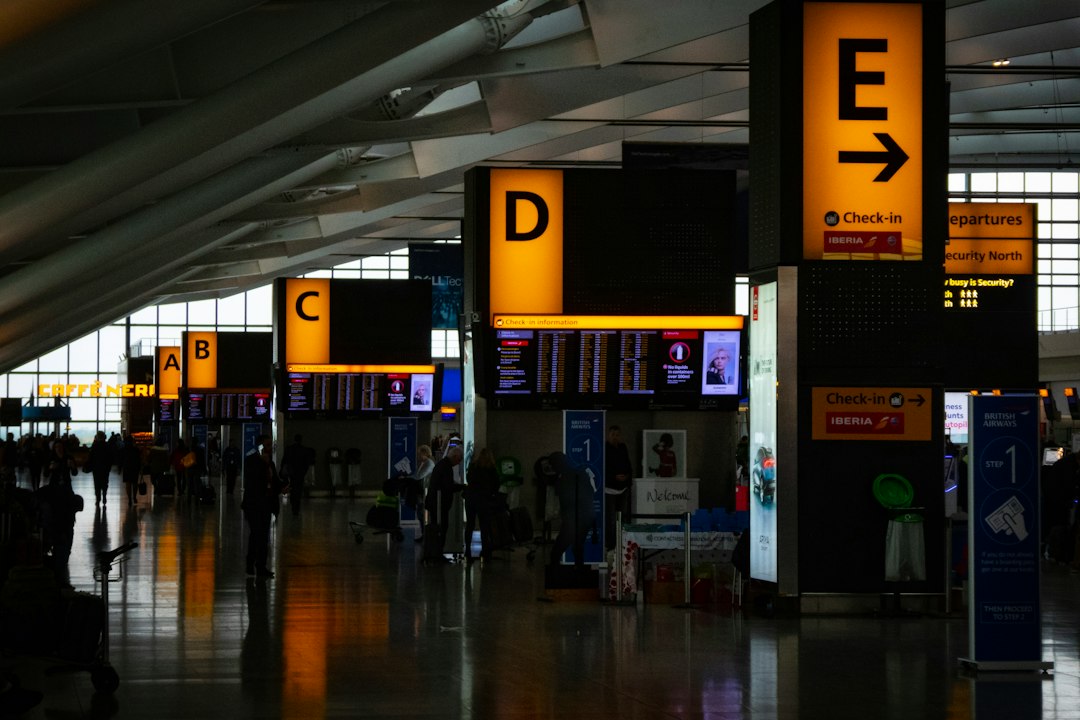
Finding cheaper flights is mostly about comparing dates, airports and fare conditions methodically. Photo: Nick Fewings / Unsplash.
The short version
- Search flexible dates before changing destination.
- Compare nearby airports only after adding transport cost.
- Use a fare calendar or price graph.
- Track the route if you are not ready to book.
- Compare baggage and seat fees.
- Check connection quality, not only fare.
- Verify the itinerary on the airline’s own website.
- Book when the fare fits your budget and schedule instead of chasing a mythical perfect day.
1. Start with date flexibility
A one- or two-day shift can matter more than any coupon. Google Flights provides date and price-graph tools to compare fares across nearby dates and can also highlight alternative airports.
Use the official Google Flights fare-search guidance to understand how its date, graph and airport tools work.
2. Compare “Best” with “Cheapest” carefully
Google Flights separates options that balance price and convenience from a “Cheapest” view that may include lower-cost itineraries with trade-offs such as self-transfers or different airports.
A fare that saves €35 but adds an overnight self-transfer and an airport change is not necessarily a better deal.
3. Check nearby airports properly
Alternative airports can help, especially in cities with several large airports. But add rail, bus, parking, hotel or taxi cost and extra travel time before deciding.
If the “cheap” airport requires a €60 transfer each way, the headline fare may be misleading.
4. Track prices instead of repeatedly guessing
If your trip is not urgent, set a price alert. Google Flights officially supports tracking a route, specific dates and flexible-date searches, with notifications when prices change significantly.
See the official Google Flights price-tracking instructions.
5. Use price predictions as information, not guarantees
Google may flag a fare as lower than usual or indicate that prices are likely to rise, based on historical patterns. Those insights can be useful, but Google itself makes clear that predictions are not guarantees.
If the current flight fits your budget and your dates are difficult to replace, do not keep waiting only because a small decrease is theoretically possible.
6. Compare baggage before checkout
A low-cost carrier can be excellent value for a traveler with one small bag and poor value for a family checking several suitcases. Compare the final fare after the baggage you genuinely need.
Also compare seat-selection fees if sitting together matters to your group.
7. Check separate one-way combinations
Two one-way tickets on different airlines can sometimes be cheaper or fit the schedule better than one return ticket. The trade-off is that the airlines usually treat them as separate contracts.
If the outbound flight disruption causes you to miss a separately ticketed return or onward flight, you may have less protection than on one through booking.
8. Compare nonstop with one-stop options
Do not compare fares without valuing your time. A one-stop itinerary that saves €40 but adds five hours each way may be poor value. For a family of four, however, a larger total saving might justify the connection.
9. Check connection quality
- Is the connection protected on one ticket?
- Do you need to collect and re-check baggage?
- Is there an airport change?
- Does the connection require a transit visa?
- Is the minimum connection realistic for that airport?
10. Do not rely on incognito-mode myths
Private browsing is useful for privacy, but it is not a dependable airfare strategy. Dynamic fares change for many reasons, including inventory, demand and fare-bucket availability. Focus on comparisons and alerts rather than repeatedly clearing cookies.
11. Be cautious with hidden-city ticketing
Buying an itinerary with the intention of skipping the final flight can conflict with airline conditions, creates checked-baggage problems and may invalidate the rest of the ticket. It is not a sensible default recommendation for ordinary travelers.
12. Compare airline-direct with an OTA
An online travel agency can sometimes show a lower fare, but support becomes especially important when flights change. Compare the exact itinerary, baggage, change conditions and who will handle disruption before paying.
13. Search first, then verify on the airline website
Use comparison tools to discover schedules and fares, then open the airline website to verify the same itinerary. Compare the full total, baggage and conditions. If the airline-direct price is similar, direct booking can simplify support during schedule changes.
A 15-minute flight-search workflow
| Minutes | Action |
|---|---|
| 1–3 | Search exact dates and airports |
| 4–6 | Test nearby dates |
| 7–9 | Check alternative airports |
| 10–12 | Compare baggage, seats and connection quality |
| 13–15 | Verify airline-direct total and either track or book |
When to book immediately
Do not wait for a theoretical deal when you need a specific flight, school-holiday dates, several seats together, a limited connection or travel around a major event. Flexibility is what creates most opportunities.
When price tracking makes more sense
Track rather than book immediately when your dates are flexible, the trip is still months away and several acceptable flights exist. Google Flights can notify you of significant price changes, which is much more useful than manually repeating the same search every day.
Continue planning the rest of the trip
Use our Travel Booking Toolkit for the booking process, Travel Planning Guide for the full itinerary and Packing Light Guide if baggage cost is part of the fare comparison.
Last reviewed: October 2026. Airfares, fees and booking tools change frequently; always confirm final fare conditions before payment.