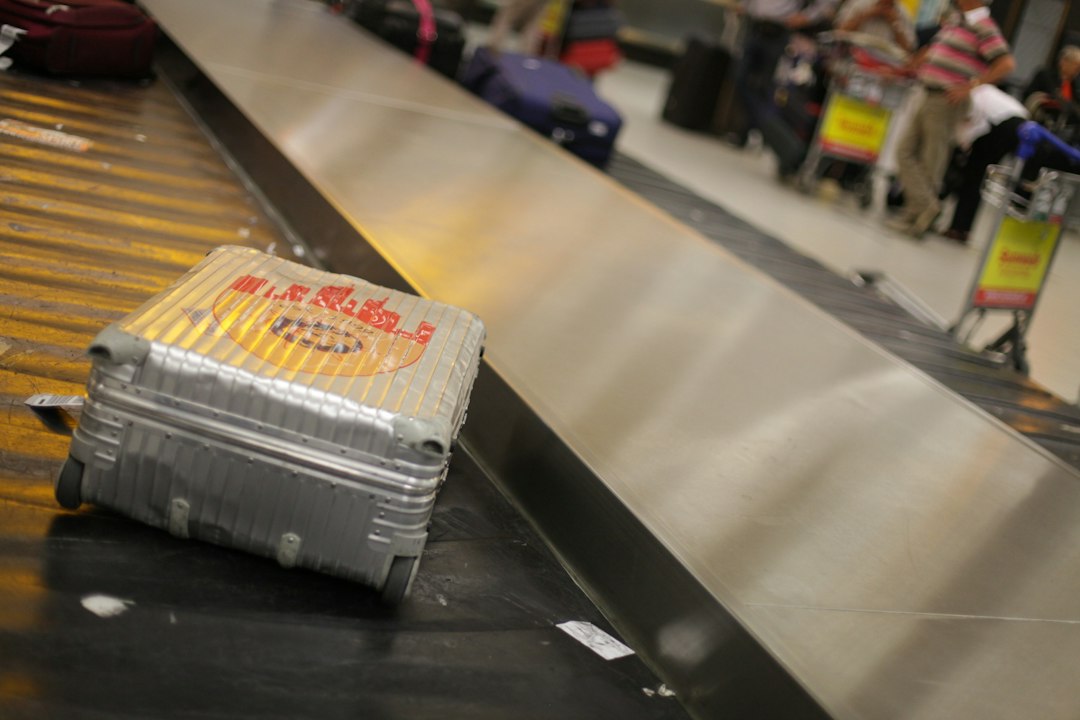
Travel anxiety can make an exciting trip feel difficult before it even starts. The goal is not to control every possible problem. A better approach is to reduce uncertainty, make the trip easier to understand and decide in advance what you will do if something changes.
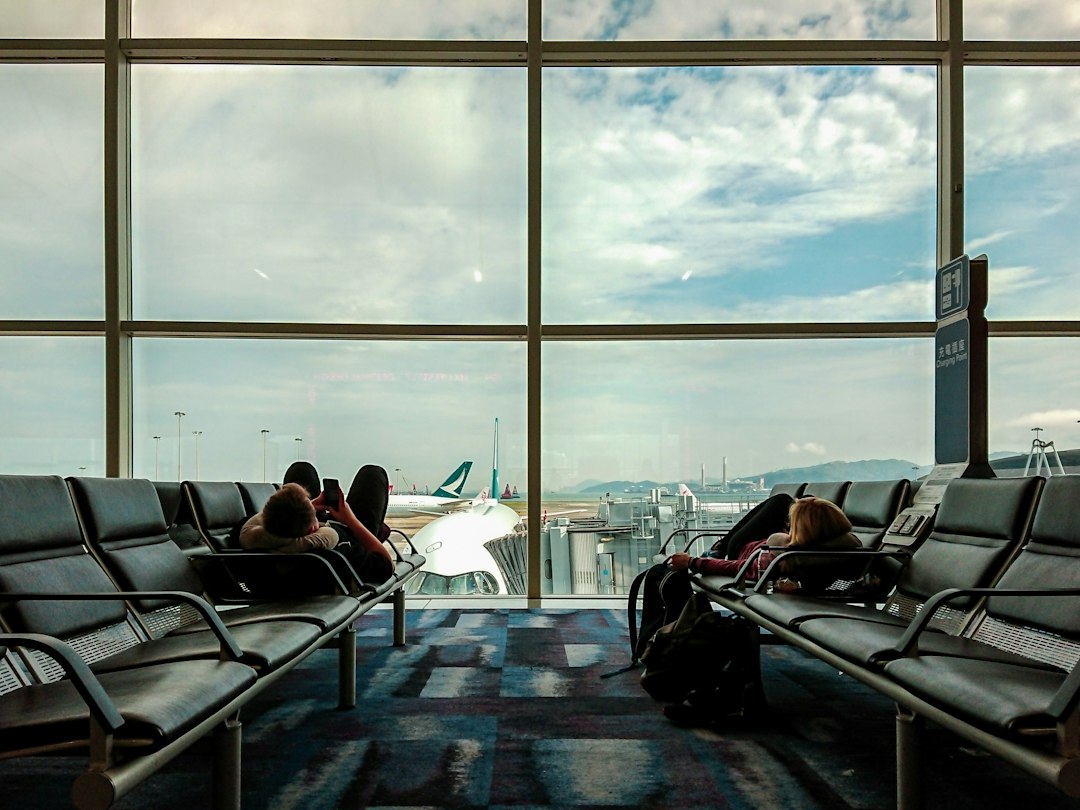
Breaking a trip into smaller, predictable steps can make travel feel more manageable. Photo: Lai Man Nung / Unsplash.
Start with the specific trigger
“Travel makes me anxious” is too broad to solve. Try to identify the part that creates the most uncertainty:
- flying or turbulence;
- missing a connection;
- getting lost;
- language barriers;
- crowds;
- unfamiliar food;
- sleeping away from home;
- being far from medical help;
- traveling alone;
- a schedule with no room for delays.
Once the trigger is specific, the preparation can be specific too.
Match the solution to the trigger
| Trigger | Practical response |
|---|---|
| Fear of missing transport | Choose longer connections and avoid booking separate tickets with very tight transfer times. |
| Getting lost | Save offline maps, hotel address and the first route from your arrival point. |
| Language worries | Save a few essential phrases and an offline translation tool. |
| Overloaded itinerary | Limit each day to one or two priorities and leave unscheduled time. |
| Unfamiliar accommodation | Choose a well-reviewed property in a simple, well-connected location. |
| Health worries | Keep medication, insurance information and emergency contacts easy to access. |
Reduce decisions before departure
Decision fatigue is one of the easiest forms of travel stress to reduce. Before leaving, make sure the first night, arrival route and any genuinely scarce timed attraction are already clear.
Keep confirmation numbers, addresses and important documents in one place. A simple folder on your phone plus an offline backup is enough; you do not need a complicated travel-management system.
Build a calm first day
Do not schedule an expensive attraction immediately after a long flight or complicated train journey. Immigration, baggage, transfers, check-in, food and fatigue already create uncertainty.
A better first day usually has one simple objective: arrive, check in, eat, walk nearby and sleep at a reasonable local time.
Use geographic planning
Group nearby sights together. Crossing a large city several times a day, changing transport repeatedly and moving hotels too often create unnecessary friction.
If the itinerary looks stressful on a map, it will probably feel even more stressful when you are tired.
Create one simple backup plan
You do not need a contingency for every possible problem. A useful backup plan usually answers five questions:
- How do I contact the hotel?
- How do I reach the airport or station if my first transport option fails?
- Where are my documents stored?
- Which bookings can be changed or canceled?
- Who can I contact at home if I need help?
Pack to reduce avoidable stress
- keep medication and important documents in hand luggage;
- carry a charging cable and power bank when useful;
- download maps, tickets and addresses offline;
- bring one lightweight change of clothes on long-haul trips;
- avoid carrying more valuables than you actually need.
Make airport days simpler
Airport anxiety often comes from uncertainty rather than the airport itself. Check the terminal, baggage rules and transfer plan before leaving the hotel. Arrive with enough time that one slow security line does not turn into a crisis.
If you have a connection, know whether you need to change terminals, collect baggage or pass immigration again.
When traveling alone
Solo travelers can reduce uncertainty by choosing accommodation with straightforward transport, arriving during daylight when practical and sharing key itinerary details with someone they trust.
For the first evening, choose a familiar routine: check in, find food nearby and understand the neighborhood before attempting a long night out.
Do not confuse planning with control
Weather changes, delays happen and restaurants close. A good itinerary should absorb small problems instead of collapsing when one detail changes.
Build “optional” activities into the schedule. If everything is mandatory, any delay feels like a failure.
Use familiar routines when the destination feels overwhelming
A familiar breakfast, short walk, exercise routine or quiet hour at the hotel can make an unfamiliar place feel easier to manage. You do not need to maximize every minute simply because you are traveling.
What to do if anxiety rises during the trip
Reduce the next decision. Sit somewhere safe, check the next concrete step and simplify the plan. If the afternoon itinerary feels overwhelming, cancel one item rather than forcing the entire schedule.
If anxiety becomes severe, persistent or interferes substantially with daily life, consider seeking advice from a qualified health professional rather than relying only on travel tips. If the problem is no longer anxiety but an actual disruption, hotel issue or failed itinerary, use our Bad Vacation recovery guide to decide what to change first.
A 10-minute pre-trip anxiety checklist
- Confirm first-night accommodation.
- Save arrival transport and hotel details offline.
- Check passport, visa and insurance documents.
- Know the first route from arrival point to accommodation.
- Reduce the first day to one simple priority.
- Identify one backup transport option.
- Share essential trip details with someone you trust if useful.
Useful Hispaads guides
For broader organization, see our Travel Planning Guide, Best Travel Apps, Travel Etiquette Guide and Travel Insurance Comparison.
Last reviewed: September 2026. This article provides general travel-planning information and is not individual medical advice.