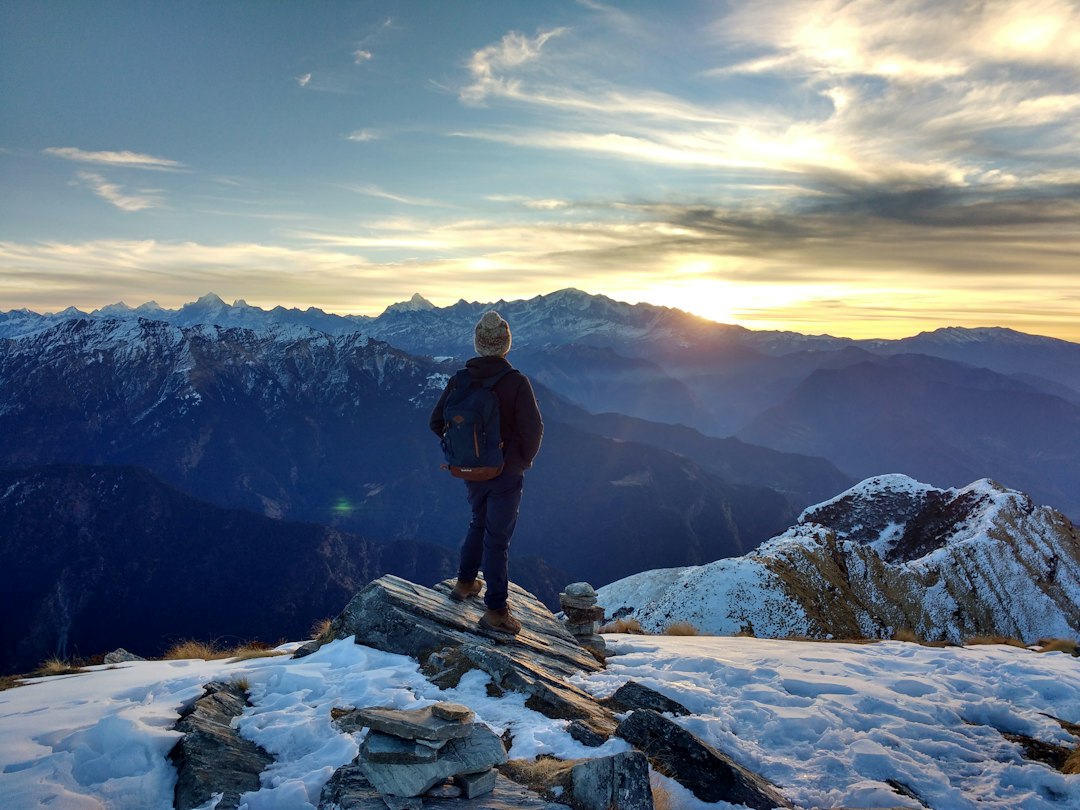
India offers everything from short forest walks to high-altitude Himalayan expeditions, so a useful trekking guide should begin with difficulty, altitude, season and access rather than a generic list of “best trails.”
The Government of India’s Incredible India platform highlights trekking and mountaineering across the Himalayas, including Ladakh, Uttarakhand, Sikkim and Himachal Pradesh, as well as lower-altitude adventure regions elsewhere in the country.
India trekking regions at a glance
| Region | Good for | Key planning factor |
|---|---|---|
| Uttarakhand | Wide choice of Himalayan routes | Altitude, season and permits vary |
| Himachal Pradesh | Valleys, passes and multi-day treks | Weather changes quickly at elevation |
| Kashmir | High mountain scenery and lakes | Check current local access and conditions |
| Sikkim | Eastern Himalayan landscapes | Permits and route rules can matter |
Uttarakhand: broad Himalayan variety
Uttarakhand combines pilgrimage routes, alpine meadows, national parks and serious mountain terrain. Incredible India describes the state as a major adventure region for trekking, mountaineering and high-altitude travel.
Its Gangotri National Park guide lists routes such as Gaumukh–Tapovan, Kedartal and Auden’s Col, with difficulty ranging from demanding multi-day treks to expert mountaineering terrain.
Choose Uttarakhand if you want a wide range of route types and established mountain gateways, but do not assume all famous trails are beginner-friendly.
Sikkim: high-altitude scenery and culture
Sikkim suits travelers looking for Himalayan landscapes, Buddhist culture and routes around the Khangchendzonga region. Incredible India describes the state as a destination for high-altitude trekking as well as monastery and nature travel.
Permit requirements can be significant in some areas, so verify current access before building an itinerary around a specific route.
Ladakh: altitude changes everything
Ladakh’s high-altitude desert is visually spectacular but demands more acclimatization than lower-elevation hiking destinations. Incredible India highlights trekking, rafting, mountain biking and camping among the region’s adventure experiences.
Do not schedule a strenuous trek immediately after flying into Leh. Your itinerary should include time to adjust before committing to long or high routes.
Himachal Pradesh: valleys, passes and varied access
Himachal Pradesh offers a broad range of mountain routes around areas such as Manali, Dharamshala and more remote valleys. Conditions vary sharply by season and altitude.
For first-time Himalayan trekkers, a well-supported moderate route can be a better choice than choosing the highest or most famous pass.
Kashmir and Jammu region
This region adds alpine valleys, lakes and mountain terrain, but access and route conditions can change. Check current local guidance and transport before committing to a fixed route.
Western Ghats: lower-altitude alternatives
For travelers who want trekking without very high Himalayan altitude, the Western Ghats provide green mountain landscapes in states such as Maharashtra, Karnataka and Kerala.
Monsoon conditions can make trails slippery or inaccessible, so season matters just as much here as snow does in the Himalayas.
How to choose a trek
- Experience: day hike, multi-day trek or technical mountaineering.
- Maximum altitude: useful, but also check the sleeping elevations.
- Daily ascent: a route can feel difficult even when the headline altitude is moderate.
- Season: snow, monsoon and extreme heat can transform the same trail.
- Permits: some border, protected or high-altitude areas require additional permissions.
- Guide support: remote or difficult routes may justify an experienced local operator.
- Emergency access: understand how far the route is from roads or medical support.
Do not choose by Instagram photo
A route can look easy in a photograph while involving several days of ascent, rough terrain or remote camping. Read a full route profile and ask about daily walking hours, altitude gain and evacuation options.
Acclimatization matters
High-altitude trekking is not simply harder walking. Build in acclimatization time and take symptoms seriously. If you are unsure whether a demanding high-altitude trek is appropriate for you, seek qualified medical advice before the trip.
Guide or independent?
Easy, well-marked day hikes may be practical independently, while remote, permit-controlled or high-altitude routes often benefit from local support. A guide is especially valuable where navigation, weather changes or logistics are complex.
What to ask a trekking operator
- maximum group size;
- guide-to-client ratio;
- included permits;
- sleeping altitude each night;
- meal and water arrangements;
- what happens if weather closes the route;
- emergency and evacuation plan;
- porter/animal welfare standards where relevant.
Season is route-specific
There is no single “best month for trekking in India.” Himalayan routes can depend on snow and monsoon timing, while southern and western routes may have very different seasonal patterns. Verify the specific trail, not just the state.
Official planning resources
The Government of India’s Incredible India platform provides destination information for Ladakh, Sikkim and Uttarakhand, plus broader adventure guidance.
Continue planning India
For a classic first-time city route, see our 7-Day India Golden Triangle itinerary. For coastal ideas, see Hidden Beaches in India. Use the Travel Planning Guide for the wider trip structure.
Last reviewed: September 2026. Trail access, permits and weather can change quickly; verify local conditions and official requirements before departure.