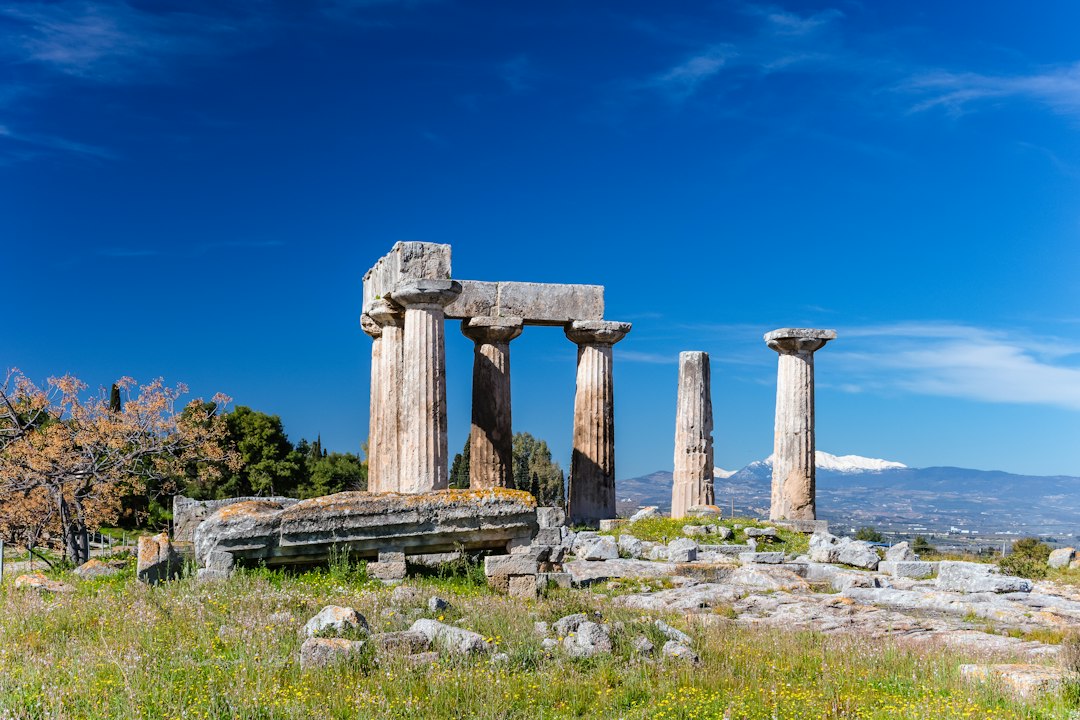
Europe’s archaeological sites range from classical Greek sanctuaries and Roman cities to prehistoric stone landscapes. The most rewarding visits come from understanding what survived, how large the site is and how much time it deserves rather than treating every ruin as a quick photo stop.
For the broader cultural context behind preservation and responsible visits, read Why Historical Monuments Matter.
1. Pompeii, Italy
Pompeii preserves an exceptional picture of Roman urban life after the eruption of Vesuvius in AD 79. UNESCO groups Pompeii with Herculaneum and Torre Annunziata, noting the contrast between Pompeii’s vast urban area and Herculaneum’s smaller but often better-preserved remains.
UNESCO: Pompeii, Herculaneum and Torre Annunziata
2. Herculaneum, Italy
Smaller than Pompeii but in some respects more intact, Herculaneum preserves upper floors, wooden elements and other materials rarely surviving at Roman sites. It works well as a separate half-day visit or as part of a longer archaeology-focused stay around Naples.
3. Acropolis of Athens, Greece
The Acropolis contains the Parthenon, Erechtheion, Propylaia and Temple of Athena Nike. UNESCO describes it as the most complete ancient Greek monumental complex still existing.
4. Delphi, Greece
Delphi combines archaeology with a dramatic mountain setting. The sanctuary of Apollo was one of the most important religious centers of the ancient Greek world and was closely associated with the oracle at Delphi.
UNESCO: Archaeological Site of Delphi
5. Roman Forum and Palatine, Rome
These areas make more sense when visited together: political, religious and residential layers sit within one large archaeological landscape. The main challenge is not finding monuments but pacing the visit so that the site does not become a blur of ruins.
6. Ostia Antica, Italy
Ancient Rome’s port city offers streets, apartment buildings, mosaics and commercial spaces. For some travelers it is easier to interpret than isolated Roman remains in the center of Rome because the street plan feels more complete.
7. Mérida, Spain
The Roman theatre, amphitheatre, bridge, water systems and other remains make Mérida one of Spain’s strongest archaeology destinations. UNESCO’s listed Archaeological Ensemble contains 22 component parts across the modern city.
UNESCO: Archaeological Ensemble of Mérida
8. Tarragona, Spain
Roman Tarraco survives across the modern city and coastline, which makes Tarragona useful for travelers who want archaeology integrated with a normal city stay rather than a single isolated site.
9. Knossos, Crete
The Bronze Age palace complex near Heraklion is closely associated with Minoan civilization. Its modern restoration history is part of understanding what visitors see today, so an interpretation guide or museum visit adds useful context.
10. Butrint, Albania
Butrint layers Greek, Roman, Byzantine and later history in a compact archaeological landscape surrounded by wetlands. UNESCO describes it as a rare combination of archaeology and Mediterranean nature.
11. Carnac, France
Carnac’s megalithic alignments offer a very different experience from classical ruins. The site is about prehistoric landscape and repeated stone alignments rather than temples or city streets, and protected access zones should be respected.
12. Stonehenge, England
Stonehenge is prehistoric rather than a ruined city, but it belongs in a broader European archaeology route because of its monumental landscape. UNESCO lists Stonehenge together with Avebury and associated Neolithic and Bronze Age sites.
UNESCO: Stonehenge, Avebury and Associated Sites
Which sites need the most time?
| Trip style | Good choices |
|---|---|
| Large Roman urban site | Pompeii, Ostia Antica, Mérida |
| Greek monumental landscape | Acropolis, Delphi |
| Layered civilizations | Butrint |
| Prehistoric landscape | Stonehenge, Carnac |
| Shorter but detailed visit | Herculaneum |
Do not plan archaeological sites like museums
Large outdoor sites involve heat, uneven ground and significant walking. A two-hour slot that works for an indoor museum may feel rushed at Pompeii or the Roman Forum.
Use the museum or interpretation center
Objects removed from the excavation often explain the site better than the ruins alone. When a nearby museum is available, consider it part of the visit rather than an optional extra.
Planning an archaeology trip
- check official opening hours and timed-ticket requirements;
- allow more time than a photo stop for large sites;
- carry sun protection and water where shade is limited;
- wear shoes suitable for uneven stone;
- use an official guide, audio guide or museum when interpretation is limited;
- never climb walls or enter closed excavation areas.
Build a route by region, not by checklist
Instead of trying to connect twelve countries in one trip, build clusters: Naples for Pompeii and Herculaneum; Athens plus Delphi; Rome plus Ostia; or a Spanish route linking Mérida and Tarragona with other historic cities.
For Spanish archaeology and monuments, see our Best Attractions in Spain. For the wider reason these sites matter, read Why Historical Monuments Matter.
Last reviewed: September 2026. Opening arrangements, conservation closures and ticket systems can change; verify the official site before travel.