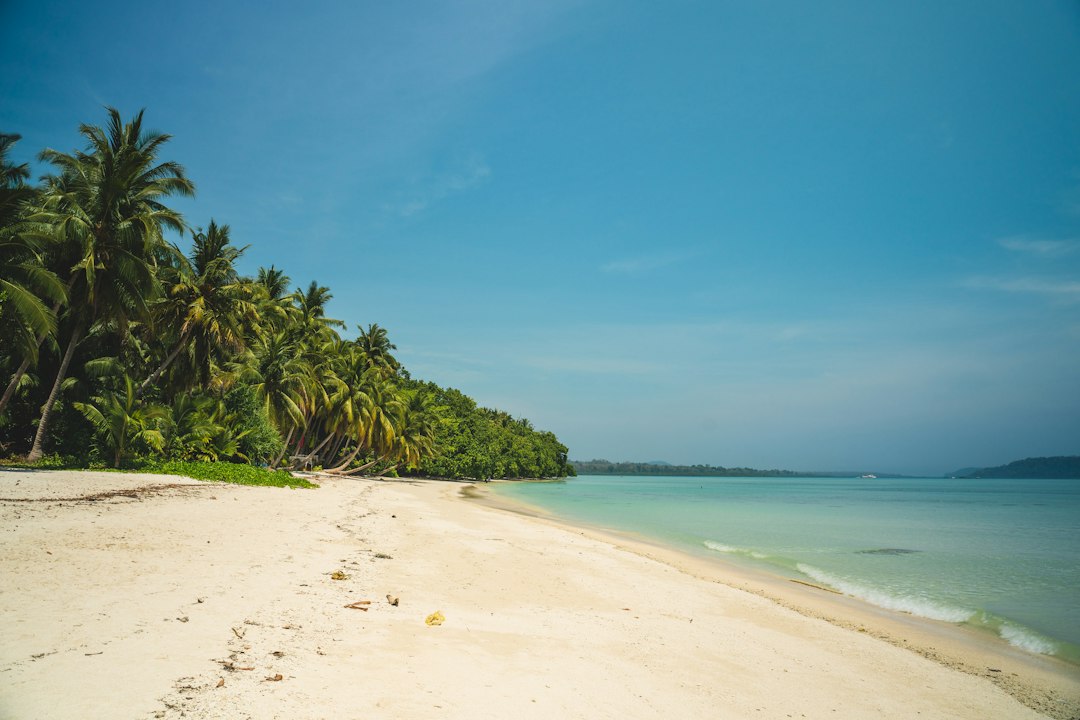
India has two very different tropical island regions for travelers: the Andaman and Nicobar Islands in the Bay of Bengal and Lakshadweep in the Arabian Sea. Both can deliver beautiful beaches and marine scenery, but the planning is not interchangeable. Access rules, ferry schedules and permits matter.
Andaman vs Lakshadweep at a glance
| Factor | Andaman & Nicobar | Lakshadweep |
|---|---|---|
| Typical first-trip circuit | Sri Vijaya Puram, Swaraj Dweep, Shaheed Dweep | Agatti plus one or more permitted islands |
| Trip style | Beaches, diving, history, broader tourism infrastructure | Lagoons, coral scenery, quieter and more controlled access |
| Planning difficulty | Moderate | Higher because permits and transfers matter more |
| Best for | First-time island hopping | Travelers comfortable with more advance coordination |
Andaman and Nicobar Islands
For most visitors, the practical tourism circuit centers on Sri Vijaya Puram (formerly Port Blair), Swaraj Dweep (Havelock) and Shaheed Dweep (Neil). Government tourism information confirms that ferry services connect the capital area with island destinations including Swaraj Dweep.
The region combines beaches, diving and snorkeling with historical sites and a larger tourism base than Lakshadweep.
See Incredible India’s Andaman and Nicobar guide.
Lakshadweep
Lakshadweep is a coral archipelago with islands such as Agatti, Kavaratti, Bangaram, Kalpeni and Minicoy. Agatti is a principal air gateway, while onward travel can depend on approved accommodation and scheduled sea transfers.
The Union Territory’s official website maintains an Entry Permit system and links to the government permit portal. The administration also published updated Lakshadweep Tourist Trade Guidelines, 2026, so access should be treated as a formal part of trip planning rather than something to sort out after buying non-refundable travel.
Official Lakshadweep Entry Permit information
Which region is easier for a first island trip?
The Andaman circuit generally offers a broader tourism infrastructure and a more familiar multi-stop itinerary. Lakshadweep can feel more remote and requires more attention to access rules, approved stays and transport coordination.
Do not plan too many islands
Ferries and sea conditions can affect timings. For a one-week trip, two or three bases are usually enough. Adding more islands can turn the holiday into a chain of transfers with little time left for the beaches you came to see.
Build the itinerary around transport days
Write down every flight and ferry first, then fit accommodation around those fixed movements. Avoid assuming that a boat will operate at the exact time you want simply because two islands look close on a map.
Leave a buffer before the flight home
Sea state and operational changes can affect boat schedules. Avoid planning a long island transfer immediately before an important flight. Spending the final night near the departure airport can reduce the cost of a missed connection.
Best trip styles
- Andaman: beach variety, diving, history and easier multi-stop planning.
- Lakshadweep: lagoons, coral scenery, quieter stays and a more remote feel.
Permits and restricted areas
Do not assume every island is open to tourism. Rules can vary by island and traveler category. Use government or official tourism sources for current access requirements and avoid paying a non-refundable operator until the permit and permitted itinerary are clear.
Accommodation matters more in remote islands
In a large city, changing hotels is easy. On a remote island, the property may also coordinate transfers, meals and activities. Confirm what is included: airport pickup, boat transfer, meals, diving, snorkeling gear and taxes.
Weather and sea conditions
Boat schedules are more vulnerable to weather than a normal city transfer. Build slack into the itinerary and avoid squeezing the trip so tightly that one delayed sailing forces multiple cancellations.
What to pack differently for island hopping
- light luggage that is easy to move on and off boats;
- sun protection and a reusable water bottle;
- dry bag or waterproof pouch for electronics;
- basic medication you may not easily replace on a small island;
- copies of permits, tickets and accommodation confirmations.
A practical one-week structure
Rather than trying to “collect” islands, use one arrival base, one main beach/diving base and, if transport works cleanly, one shorter second island. This keeps the trip resilient if a ferry time changes.
More India planning
For a broader India trip, compare our 7-Day India Golden Triangle Itinerary, Hidden Beaches in India and India Hiking & Trekking Guide.
Lakshadweep permits are not optional paperwork
The Lakshadweep Administration states that entry to the islands is restricted and that tourists need an entry permit. The official permit page also links to the government’s online permit system. Do not book a non-refundable island stay assuming the permit can simply be handled after arrival.
Use the official Lakshadweep Entry Permit page for the current process and permitted islands.
Kochi is part of the Lakshadweep logistics
The Lakshadweep Administration identifies Kochi as the main mainland gateway for flights and ships. That means a sensible itinerary should include enough margin around the Kochi connection rather than treating it like a short domestic transfer.
Do not copy an old ferry timetable
Island schedules can change because of operations and sea conditions. Build the itinerary from the current transport dates first, then reserve accommodation around them. A beautiful resort is not useful if its transfer pattern does not fit your flights.
Last reviewed: October 2026. Permit rules, island access and ferry operations can change; verify them with official government sources before booking non-refundable travel.