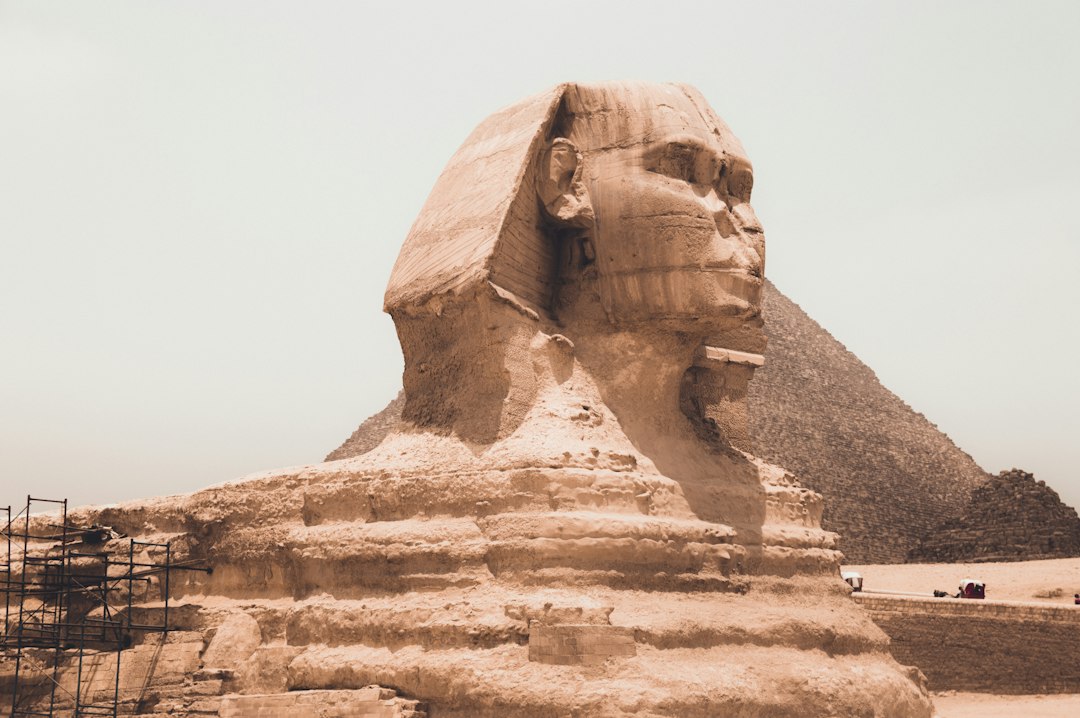
Egypt can combine ancient archaeological sites, Nile travel, museums, desert landscapes and Red Sea beaches in one trip, but trying to cover everything in a week usually creates more transport than enjoyment. A first trip works better when you choose two or three main regions.
Egypt first-trip route at a glance
| Stop | Suggested role | Main focus |
|---|---|---|
| Cairo / Giza | 2–3 days | Pyramids, museums and historic districts |
| Luxor | 2–3 days | Temples and tombs |
| Aswan | 1–2 days | Nile atmosphere and southern sites |
| Nile cruise | Optional | Structured transport between Upper Egypt sites |
| Red Sea | Optional extension | Beach, snorkeling or diving |
For a first trip, choose a few strong bases and leave enough transfer time. Egypt rewards slower pacing more than a checklist of cities.
Cairo and Giza
Cairo is the main gateway for many international visitors and gives access to Giza, major museums and historic Islamic and Coptic districts. Allow enough time for traffic and security procedures rather than stacking attractions hour by hour.
Luxor
Luxor is the strongest base for travelers focused on ancient temples and tombs. Separate the east-bank and west-bank areas rather than attempting every major site in a single day.
Two nights is much more comfortable than treating Luxor as a rushed day trip.
Aswan
Aswan offers a slower Nile atmosphere and works naturally after Luxor. It is also a common base for travelers planning Abu Simbel, although journey times should be treated realistically.
Nile cruise or land itinerary?
A cruise simplifies transport between several Upper Egypt sites and can suit travelers who prefer a structured schedule. Traveling by train, car or flight gives more flexibility and can provide longer stays in individual cities.
Compare what the cruise actually includes: excursions, guides, meals, entry tickets and transfers can vary.
Red Sea extension
For diving, snorkeling or beach time, Red Sea destinations can balance a history-heavy itinerary. Add this only if you have enough days to avoid turning the trip into a chain of transfers.

A practical first-trip structure
- 7 days: Cairo/Giza + Luxor.
- 9–10 days: Cairo/Giza + Luxor + Aswan.
- 12–14 days: add a Red Sea stay or slower Nile travel.
Example 10-day route
- Days 1–3: Cairo and Giza.
- Days 4–6: Luxor, divided between east and west bank.
- Days 7–9: Aswan and one major excursion.
- Day 10: travel buffer/departure.
If you want a Red Sea extension, add days rather than removing rest from Cairo or Luxor.
Transport between regions
Egypt is large enough that transport choices shape the itinerary. Domestic flights can save time between distant regions, while rail or road travel may suit travelers who prefer a slower trip.
Do not book a major archaeological visit immediately after a tight overnight transfer. Leave margin for delays and rest.
Entry and practical information
Visa rules, safety advice, opening times and transport arrangements can change. Use Egypt’s official tourism portal, Experience Egypt, and the relevant official immigration/foreign-affairs sources for your nationality before departure.
Book major sites intelligently
Use official channels where possible, especially for museums and archaeological attractions. Avoid relying on old blog posts for ticket prices or opening hours.
If a site is the main reason for your trip, check its official status again shortly before travel.
Heat and pacing
Outdoor archaeological sites can be physically demanding in hot weather. Start early when appropriate, carry water and leave time for rest between major monuments.
One slow afternoon can make the following day much more enjoyable than trying to fill every hour.
Guides: where they add the most value
A knowledgeable licensed guide can add context at major archaeological sites where the experience is difficult to understand from labels alone. You do not necessarily need a guide for every free hour of the trip.
Compare the itinerary, language, group size and whether entry tickets are included before booking.
Money and payments
Carry more than one payment method and keep emergency funds separate from your main wallet. Cash remains useful for small purchases and tips in some situations, while larger hotels and services may accept cards.
Check your bank’s foreign transaction and cash-withdrawal fees before travel.
What to wear
Light, breathable clothing works well for heat, but cultural and religious sites may require more coverage. Carry a lightweight layer or scarf so you can adapt without returning to the hotel.
Food and water planning
Egyptian food is a major part of the trip. Start with busy, reputable places and introduce unfamiliar foods at a pace that suits you rather than trying everything on the first day after a long flight.
For dishes to recognize, see our Traditional Egyptian Food Guide.
Common first-trip mistakes
- trying to fit Cairo, Luxor, Aswan and the Red Sea into one rushed week;
- underestimating road/airport transfer time;
- planning outdoor sites back-to-back in the hottest part of the day;
- using outdated ticket-price information;
- booking every day without a recovery window;
- treating a Nile cruise and a land itinerary as equivalent without comparing inclusions.
More planning help
For the overall structure, use our Travel Planning Guide. For insurance questions, see Travel Insurance Comparison.
Last reviewed: September 2026. Entry rules, site access and transport arrangements can change; confirm current official information before travel.