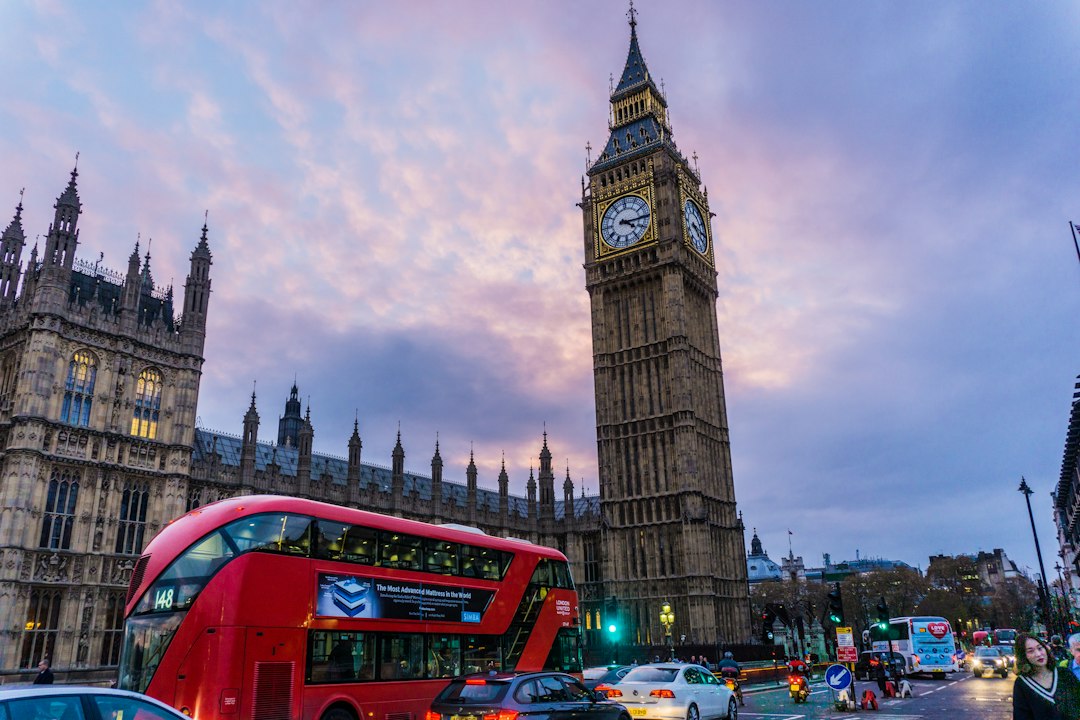
London is too large to experience as one single centre. A better first-trip strategy is to group sights by area and choose neighborhoods that match the kind of day you want: major landmarks, museums, markets, nightlife or riverside walking.
London areas at a glance
| Area | Best for | Trade-off |
|---|---|---|
| Westminster | Iconic first-trip landmarks | Busy and often expensive |
| South Bank | River walks and cultural venues | Not the best base for every west-London sight |
| South Kensington | Museums and families | Quieter evenings than Soho |
| Shoreditch | Food, nightlife and contemporary East London | Farther from some classic west-London sights |
| Greenwich | Half-day escape and maritime history | Less central for a short first trip |
Westminster: best for iconic first-trip landmarks
Westminster is efficient for Parliament, Westminster Abbey, Buckingham Palace and St James’s Park. It is convenient for sightseeing but usually busy and can be expensive for accommodation. Staying nearby makes sense if major landmarks are your priority; otherwise, use the Tube and visit as a sightseeing cluster.
South Bank and Waterloo: best for river walks
South Bank works well for river views, cultural venues and walking. It connects naturally with Westminster across the Thames and can continue east toward Borough Market or London Bridge if you have the energy.
Covent Garden, Soho and the West End: best for evenings
Choose this central area for theatre, restaurants, shopping and easy evening activity. It is extremely convenient but rarely the cheapest place to stay. Soho and Chinatown add nightlife and dining, while Covent Garden is better for a slower central stroll.
South Kensington: best for museums and families
A strong choice for museums and a more residential feel. It works especially well for families or travelers who want major cultural attractions close together without spending every day crossing central London.
Camden: best for markets and alternative culture
Camden suits travelers interested in markets, music heritage and a more alternative atmosphere. Combine it with Regent’s Canal or another north-London area rather than crossing the city immediately after lunch.
Shoreditch and Hoxton: best for contemporary East London
Useful for street art, nightlife, independent food and a more contemporary east-London experience. It works well with the City of London or Spitalfields because the areas sit relatively close together.
Greenwich: best for a half-day away from the centre
Greenwich is worth a half-day or full day for riverside space, maritime history and a different perspective on the city. It is less convenient as a sightseeing base if every other activity is in Westminster or West London.
Notting Hill: best for west-London atmosphere
Known for colorful streets, Portobello Road and residential character. Visit on the right market day if Portobello is central to your plan; otherwise, the neighborhood can be combined with Kensington or a west-London afternoon.
City of London: best for old and new London together
The Square Mile combines medieval streets, historic churches and landmarks with modern towers. Visit London’s current City guide highlights places such as St Paul’s Cathedral, Tower of London, Tower Bridge, markets and free viewpoints, making it a useful area to pair with London Bridge or Shoreditch.
Choose a London area by the time you have
| Area | Allow | Keep the plan focused |
|---|---|---|
| Westminster and South Bank | Half a day outdoors; longer with ticketed interiors | Choose one booked attraction, then walk by the river. |
| South Kensington | Half a day for one museum | Choose a museum first; add a second only if you still have time and energy. |
| Covent Garden and Soho | An afternoon or evening | Leave space for dinner before a booked theatre performance. |
| City and Tower area | Half to a full day | A Tower of London visit needs its own block; do not squeeze it between two other major interiors. |
| Camden or Notting Hill | Half a day | Pick one market area and check the trading days that matter to you. |
| Greenwich | Half to a full day | Keep museums, park time and the journey there together as one outing. |
These are planning allowances, not fixed visit times. With only one day, choose Westminster and South Bank or a museum-led day in South Kensington; trying to add Camden and Greenwich usually means giving up time at the places you came to see.
How to choose where to stay
- First visit focused on landmarks: Westminster, South Bank or another well-connected Zone 1 area.
- Theatre and nightlife: West End, Soho or Covent Garden.
- Museums and family convenience: South Kensington.
- East London food/nightlife: Shoreditch or nearby districts.
- Better value: look beyond the most expensive central blocks, but calculate daily transport time before booking.
Do not choose accommodation only by nightly price. A room that saves £20 but adds two long journeys every day may be poor value for a short visit.
A practical 3-day neighborhood plan
- Day 1: Westminster + South Bank.
- Day 2: South Kensington museums + West End/Covent Garden evening.
- Day 3: City of London + Shoreditch, or Greenwich if you want a slower day.
This is deliberately grouped by geography. Visit London’s current first-time guide recommends three to five days for many first-time visitors and emphasizes using neighborhood itineraries rather than treating the city as one compact centre.
Walk versus Tube
Central London is very walkable in clusters, but the Tube is useful for moving between distant areas. A good rule is to walk within a neighborhood and use public transport between neighborhoods rather than repeatedly crossing the city on foot.
Check transport before choosing a hotel
Look at the nearest station, the lines you will actually use and your airport/rail arrival point. Visit London publishes current maps and transport resources, including official Tube and accessible-travel information.
Check the whole route if you need step-free access
A hotel near a station is not automatically convenient with a wheelchair, pushchair or heavy luggage. Check the route from the hotel entrance to the platform, any interchange and the final walk to the attraction. Street-to-platform access and street-to-train access are different: a step or gap can remain at boarding.
TfL’s step-free journey guide explains how to filter routes and check platform details and lift disruptions. Recheck on the day, especially before an airport journey or a timed booking.
Official neighborhood resources
Visit London, the city’s official visitor guide, maintains current London area guides and a first-time visitor guide. Use those for current attraction and transport information.
Continue planning
Once you have chosen an area, our Unique Shops in London guide can help with neighborhood shopping ideas. For accommodation strategy, use How to Find Cheap Hotels and the Travel Booking Toolkit.
Last reviewed: September 2026. Transport works, attraction access and local events can change; check official information shortly before travel.