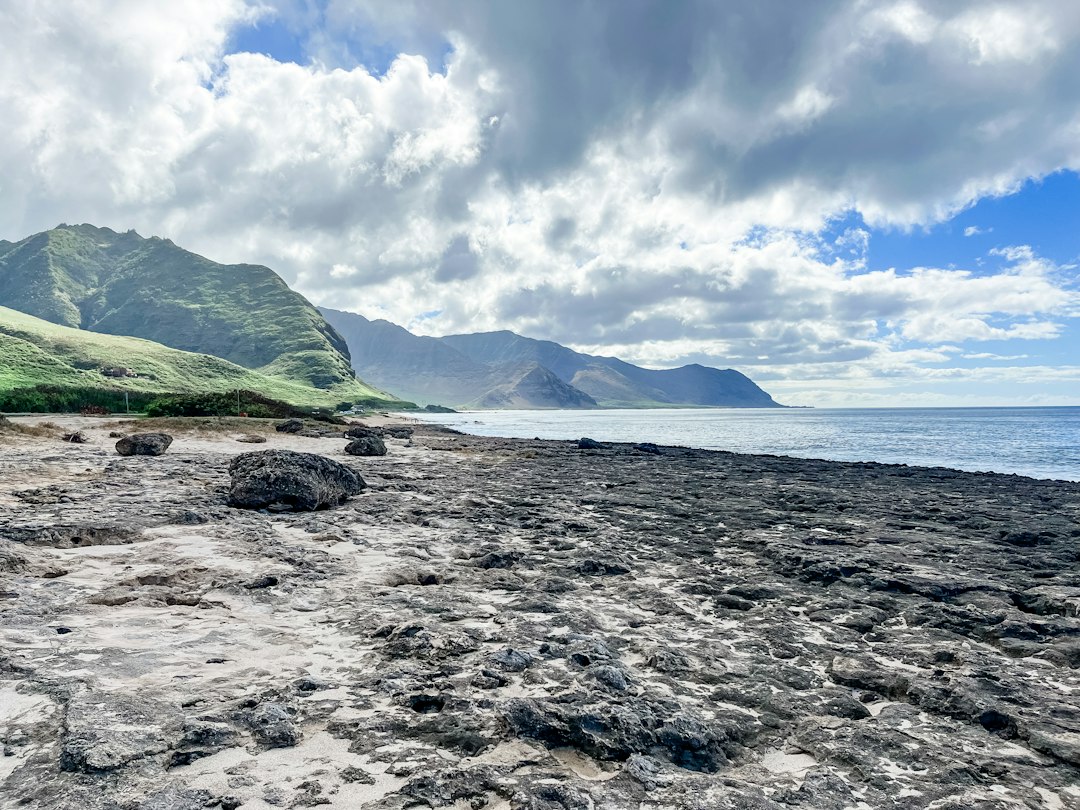
Hawaii’s beaches vary enormously by island, exposure and season. Some are easy family beaches beside resort areas; others are better known for surfing, snorkeling, scenery or long coastal walks. The best choice depends on what you actually want to do and on the ocean conditions that day.
For a broader comparison of island styles, seasons, coastal conditions and beachfront stays, start with our Beach & Island Travel Guide.
Hawaii beach quick comparison
| Beach / area | Best for | What to check |
|---|---|---|
| Waikīkī | First trips and convenience | Crowds and hotel location |
| Wailea | Resort stays and sunset walks | Daily ocean conditions |
| Hāpuna | Broad sandy beach | Surf and lifeguard guidance |
| Punaluʻu | Black-sand scenery and wildlife | Wildlife-distance rules |
| Hanalei Bay | Scenery and a long bay | Seasonal north-shore conditions |
For an official statewide overview, see GoHawaii’s beach guide before choosing an island or beach.
Oʻahu
Waikīkī Beach
Waikīkī is one of the easiest beaches for first-time visitors because accommodation, restaurants and transport are concentrated nearby. It is not secluded, but it is convenient and works well when you want beach time without renting a car every day.
Kailua area
The windward side offers pale sand and striking offshore-island views. Parking and neighborhood access require consideration, so follow local rules carefully and do not block residential streets or driveways.
Maui
Kāʻanapali Beach
A classic resort beach with hotels, restaurants and activities close together. It suits travelers who want a beach holiday without driving for every meal or activity.
Wailea beaches
Wailea is associated with upscale resorts and landscaped coastal access. Different coves suit swimming, sunset walks and resort stays, but conditions should still be checked on the day.
Island of Hawaiʻi
Hāpuna Beach
Hāpuna is known for a broad sandy shoreline on the Kohala Coast. Conditions can change quickly, so use lifeguard information and posted warnings rather than judging the water only from shore.
Punaluʻu
Punaluʻu is famous for black volcanic sand and wildlife viewing. Give sea turtles and other wildlife plenty of space and follow all local conservation guidance.
Kauaʻi
Poʻipū Beach
Poʻipū is one of the more accessible south-shore choices and works well for travelers staying in the resort area.
Hanalei Bay
Hanalei combines a dramatic mountain backdrop with a long bay. Ocean conditions change seasonally, especially on northern shores, so swimming suitability is not constant throughout the year.
How to choose a Hawaii beach
- For convenience: Waikīkī or Kāʻanapali.
- For resort stays: Wailea and parts of the Kohala Coast.
- For volcanic scenery: Punaluʻu.
- For a dramatic landscape: Hanalei Bay.
- For families: prioritize current conditions and lifeguarded areas rather than choosing only from photos.
Choose by island before choosing by beach
For a short trip, it is usually better to choose the island that fits your overall itinerary first and then select beaches near your accommodation. Flying between islands simply to visit individual beaches can consume a large share of a short holiday.
Ocean safety matters more than a “best beach” ranking
Hawaiian beaches can have powerful shore break, currents and surf even when conditions look attractive from shore. Hawaii Ocean Safety recommends using lifeguarded beaches when possible and checking current conditions. Its official lifeguarded beach list includes schedules and links to current beach information.
- Read warning signs before entering the water.
- Ask a lifeguard about conditions if you are unsure.
- Do not assume yesterday’s safe swimming conditions apply today.
- Choose another beach or a non-swimming activity when surf or currents are unsuitable.
Snorkeling and surf need different conditions
A beach famous for surfing is not automatically a good snorkeling beach on the same day. For snorkeling, look for appropriate conditions, protected water and official local advice. For surfing, match the break to your experience and use qualified instruction if you are a beginner.
Respect wildlife and local communities
Do not approach turtles, seals or other protected wildlife. Follow parking restrictions and access rules in residential areas. Avoid standing on coral, take rubbish with you and treat access routes as shared local spaces rather than resort facilities.
Build a better Hawaii beach day
Instead of scheduling three distant beaches, choose one main beach and one nearby alternative. Check ocean conditions in the morning, keep a backup activity for poor conditions and avoid long cross-island drives just to reproduce a social-media photo.
More planning resources
For current island-specific travel information, use the official GoHawaii visitor site and Hawaii Ocean Safety. For the rest of your trip, see our Travel Planning Guide and Off-Season Travel Guide.
Last reviewed: September 2026. Ocean conditions and lifeguard coverage can change; check current official safety information before entering the water.