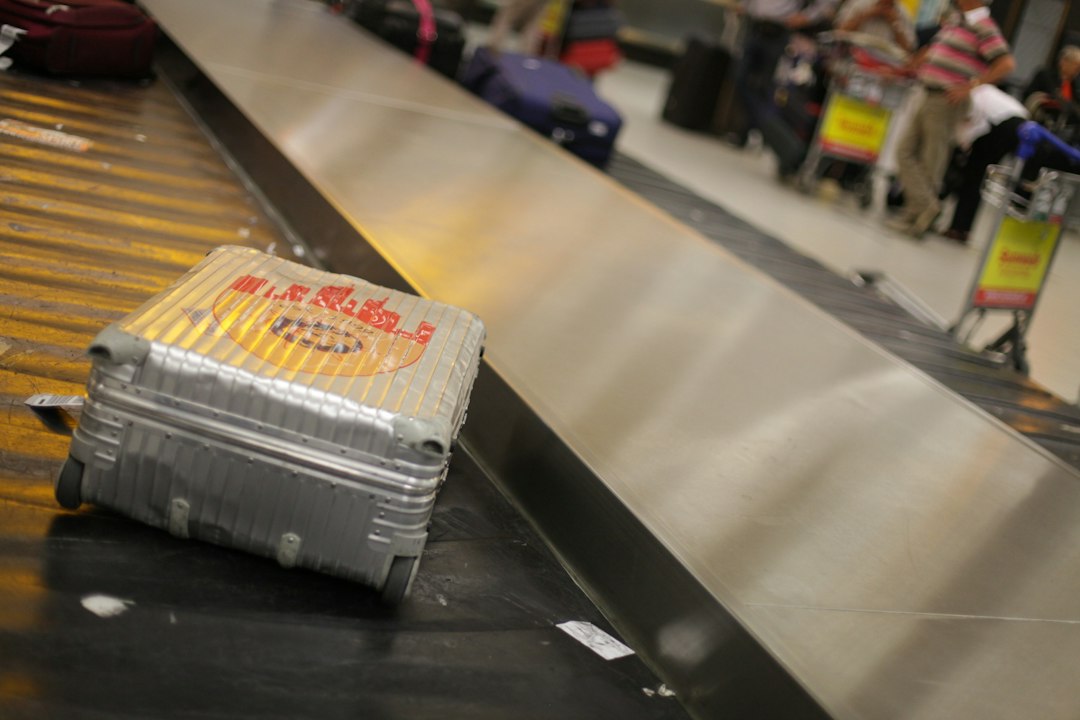
A trip can go wrong for reasons that have nothing to do with poor planning: bad weather, illness, a disappointing hotel, transport disruption, lost luggage or simply unrealistic expectations. The useful question is not whether the vacation is “ruined,” but what can still be changed without wasting more money or energy.
When a trip goes wrong, solve the most important problem first. Photo: D YQ / Unsplash.
1. Identify the real problem
Do not try to fix everything at once. Ask whether the main issue is the hotel, location, weather, transport, itinerary, budget or something personal such as exhaustion. A precise problem usually has a more practical solution.
2. Separate inconvenience from a serious problem
- Inconvenience: rain, a disappointing restaurant, a room you simply do not like or an attraction that was less interesting than expected.
- Material service problem: the booked room or service is substantially different, unavailable or unusable.
- Safety/health problem: unsafe accommodation, serious illness, dangerous weather or a transport situation that creates meaningful risk.
The response should match the severity. Do not spend half a day fighting over a minor annoyance, but do not ignore a genuine safety or health issue to protect the itinerary.
3. Fix the highest-impact issue first
If the hotel is unsafe, unhygienic or materially different from what was booked, document the problem with photos and contact the property or booking platform immediately. If the issue is simply that the area is not enjoyable, changing neighborhoods may help more than changing the entire destination.
4. Stop over-scheduling
Many trips deteriorate because every day is packed. Cancel one low-priority activity, sleep properly and rebuild the next day around one or two things you genuinely want to do. A paid attraction is not automatically worth sacrificing the rest of the day for.
5. Have a weather fallback
Rain does not require losing an entire day. Museums, food markets, spas, cafés, covered attractions and short local experiences can replace outdoor plans. Check official local tourism sites rather than relying only on an old itinerary.
6. If the hotel is the problem, use a short escalation sequence
- Document the exact issue with photos or video.
- Ask the front desk/property for a specific solution: room change, repair, cleaning or other remedy.
- If booked through an OTA, contact the platform while the issue is happening, not days later.
- Keep written messages, booking terms and receipts.
- If you decide to move, calculate the extra cost before booking a replacement.
Use our hotel comparison guide and Travel Booking Toolkit if you need to find an alternative stay quickly.
7. If transport disruption is the problem
First protect the next essential part of the trip: your accommodation, connecting flight/train or time-sensitive reservation. Then determine what can be moved or refunded. Avoid buying an expensive replacement before checking whether the carrier or travel provider has already offered a solution.
8. Know when to contact travel insurance
Travel insurance may help with covered medical issues, cancellations, delays or lost baggage, but policies vary. Keep receipts, medical reports and written confirmations. Do not assume a claim will be accepted without checking your policy wording.
Our Travel Insurance Comparison explains the main coverage categories and questions to check before buying.
9. Avoid the sunk-cost trap
If an activity is making the trip worse, the fact that it is already paid for does not always mean you should continue. Compare the money already lost with the time, stress and extra costs of forcing the original plan.
10. Change the pace, not necessarily the destination
Sometimes a “bad vacation” is simply an exhausting vacation. Replace long transfers with a nearby neighborhood day, a long lunch or an afternoon at the hotel. If travel anxiety is adding to the problem, our Travel Anxiety guide focuses on practical ways to reduce uncertainty and overload.
11. Escalate real service problems properly
For serious hotel or airline problems, keep communication factual: what was promised, what happened, what solution you are requesting and what evidence you have. Written communication is easier to document than repeated verbal complaints.
A 30-minute trip reset
- First 5 minutes: name the single biggest problem.
- Next 10 minutes: list two realistic solutions and their cost.
- Next 10 minutes: contact the relevant hotel, carrier, insurer or booking platform if necessary.
- Final 5 minutes: simplify the next 24 hours so you are not solving everything at once.
When should you abandon part of a trip?
Safety, health and major transport disruption come before the itinerary. If continuing creates meaningful risk or unreasonable cost, changing plans is the sensible decision.
Prevent the same problem next time
After the trip, write down what actually caused the problem: unrealistic connection time, poor location research, inflexible bookings, too many hotel changes or simply too much scheduled activity. That becomes a useful planning rule for the next trip.
For broader preparation, read our Travel Planning Guide, Multi-City Trip Planning Guide and Travel Hacks guide.
Last reviewed: September 2026. Consumer rights, airline obligations and insurance coverage vary by country and contract; confirm the rules that apply to your booking.