Finding cheap hotels in Barcelona is possible, but the useful question is not simply ‘Which hotel is cheapest?’ It is ‘Which stay gives me the lowest total cost without creating a bad trip?’ A room that looks inexpensive can become poor value once you add Barcelona’s tourist tax, airport transfers, daily transport, breakfast and a location that forces you to cross the city several times a day.
This guide takes a practical approach. Instead of promising secret hotels or pretending there is one booking trick that always works, it explains how to compare neighborhoods, dates, room types and the real final price. It also includes current 2026 tourist-tax and public-transport figures so you can build a more realistic accommodation budget.
Prices and taxes in this article were checked in September 2026. Hotel rates change constantly, so use the methods and official charges below rather than treating any nightly price as permanent.
Start with the total stay cost, not the nightly rate
A €90 room is not automatically cheaper than a €105 room. The first property may charge for breakfast, have stricter cancellation terms or require more transport. Barcelona also applies a tourist tax that can make a noticeable difference to the final bill.
Before booking, compare these items for the entire stay:
- room total for all nights;
- tourist tax;
- breakfast, if you actually want it;
- airport transport;
- daily metro or bus costs;
- parking, if you are driving;
- cancellation conditions;
- any compulsory property fees.
This sounds basic, but it prevents one of the most common budget-travel mistakes: choosing the lowest number on the search-results page instead of the cheapest practical stay.
Barcelona tourist tax in 2026: the cost many searches hide
Barcelona’s accommodation tax increased on 1 April 2026. According to the Catalan Tax Agency, the current total charge in Barcelona city includes both the Catalan tourist tax and the municipal surcharge.
For stays from 1 April 2026 to 31 March 2027, the published totals are:
- 5-star and grand-luxury hotels: €12.00 per person per night;
- 4-star and 4-star superior hotels: €8.40 per person per night;
- tourist-use apartments: €9.50 per person per night;
- youth hostels: €6.00 per person per night;
- other accommodation categories: €7.00 per person per night.
The tax is calculated for a maximum of seven nights per person. That matters when comparing a budget hotel, hostal, apartment and higher-category hotel. For two adults staying four nights, even a €1.40 difference in daily tax becomes more than €11 across the booking.
If you are searching for cheap hotels in Barcelona, always add this tax before deciding which property is really cheaper. Also check whether the booking website includes it in the displayed total or says it is payable at the property.
Where to find cheap hotels in Barcelona: neighborhoods worth comparing
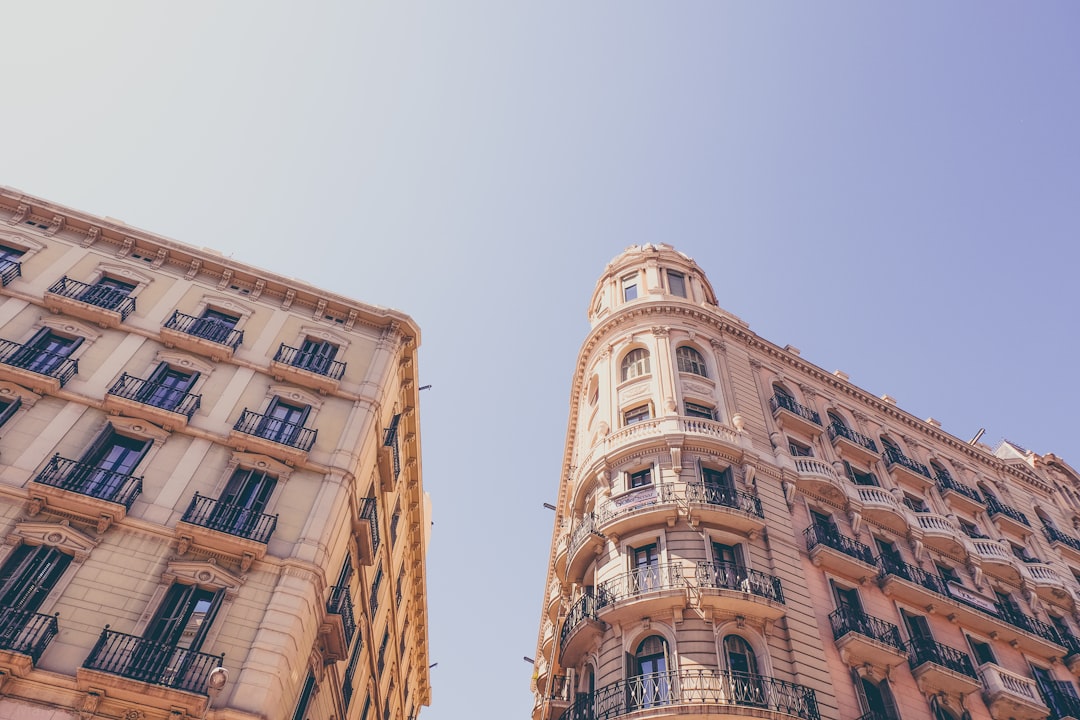
There is no neighborhood that is always cheapest. A trade fair can push prices up around one district while another part of the city remains reasonable. The best strategy is to compare several areas that fit your itinerary rather than locking the search to La Rambla or the Gothic Quarter.
Eixample: pay for convenience, but compare the edges
Eixample is one of the easiest areas for a first visit because it is central, walkable and well connected. It is not normally the first place to describe as ‘budget,’ but the district is huge. Prices can change significantly between the most famous streets and properties a few blocks farther from Passeig de Gràcia.
If a central location would let you walk to several attractions, a slightly higher room price in Eixample may still beat a cheaper hotel that requires four metro journeys every day.
Gràcia: local atmosphere with useful transport links
Gràcia is worth checking when central tourist areas look expensive. It has its own plazas, restaurants and neighborhood life, while metro connections make central Barcelona easy to reach.
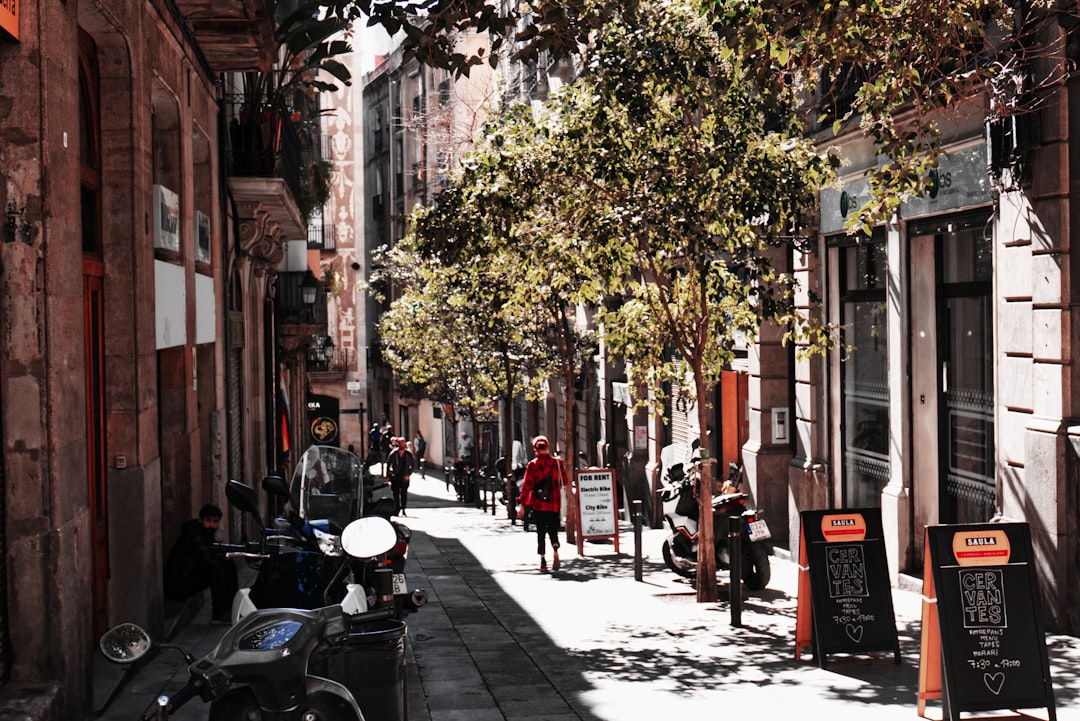
Do not assume every Gràcia property is cheap. Instead, compare the same dates with Eixample, Poble-sec and Sants and look at the total travel time to the places you actually plan to visit.
Poble-sec: practical for Montjuïc and central sightseeing
Poble-sec sits between the city center and Montjuïc and can be a useful compromise. You have metro access, plenty of food choices and relatively quick links to central attractions without needing to sleep in the busiest streets around La Rambla.
For travelers interested in Montjuïc, the museums, the Olympic area or evening food around Carrer de Blai, the location can also reduce unnecessary cross-city travel.
Sants: a strong choice if transport matters more than postcards
Sants is especially practical if you are arriving or leaving by train. The area around Barcelona Sants station does not offer the same old-city atmosphere as the Gothic Quarter, but that is exactly why it can be worth comparing.
A well-priced room near good rail and metro connections can be a better budget decision than paying a premium just to have a famous street outside the door.
Poblenou and Sant Martí: compare them if beach access matters
If you want to combine sightseeing with the beach, look beyond Barceloneta. Poblenou and parts of Sant Martí can offer a different balance of modern hotels, local streets, metro access and proximity to the Mediterranean.
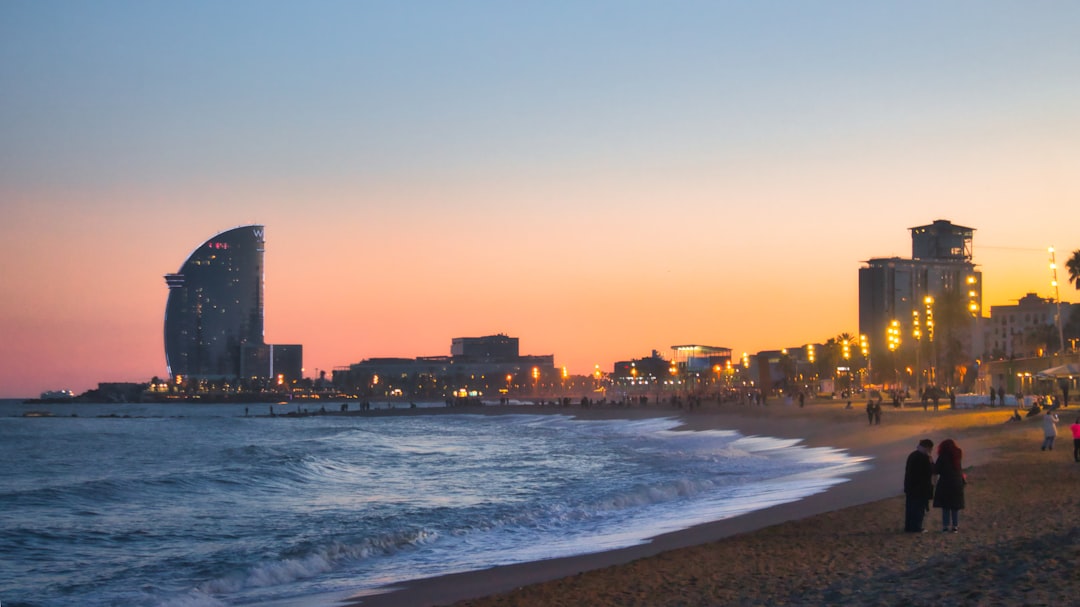
Rates can still rise sharply in good weather and during events, so treat Poblenou as another comparison area rather than a guaranteed cheap zone.
Use Barcelona’s metro to widen your hotel search
Good public transport is one of the main reasons you do not need to limit a Barcelona hotel search to the historic center. It also means searches for cheap hotels in Barcelona can include neighborhoods that would be inconvenient in a city with weaker transport.
For 2026, TMB’s official fares list:
- single ticket: €2.90;
- 1-zone T-casual, 10 journeys: €13.00;
- 1-zone T-dia: €12.00;
- 1-zone T-usual: €22.80;
- airport metro ticket: €5.90.
The T-casual is not valid for the L9 Sud airport metro stations at T1 and T2, so do not assume your normal ten-journey ticket covers every airport trip.
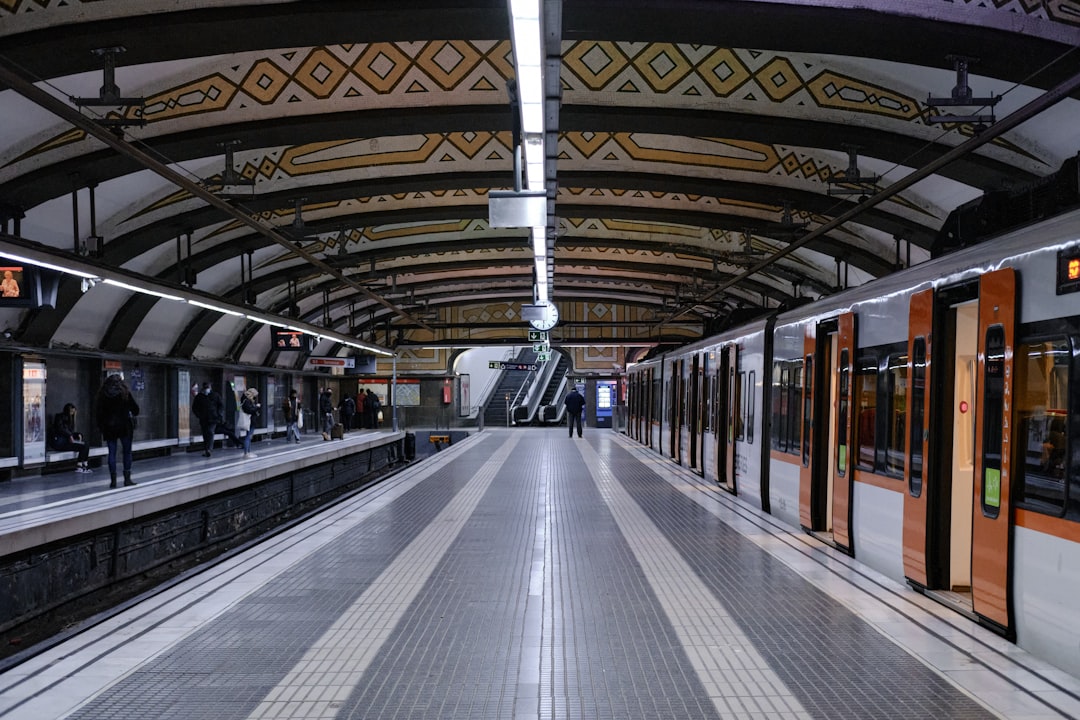
When comparing two hotels, calculate the transport difference. If the cheaper room saves €20 per night but adds several paid journeys and an extra hour of travel every day, the saving may not be worth it.
When are cheap hotels in Barcelona easiest to find?
Barcelona is a year-round city, so there is no completely empty season. However, accommodation demand can change dramatically with weather, weekends, school holidays, trade fairs, concerts and major sporting events.
For better value, try these searches before committing:
- move the trip one or two days in either direction;
- compare Sunday-to-Thursday dates with Friday and Saturday;
- check the city’s major event calendar;
- compare late autumn and winter dates if warm beach weather is not essential;
- search the same hotel for three, four and five nights in case different rate rules appear.
Large events such as major congresses can increase rates across the city, not just near the venue. If your dates are flexible, avoiding a citywide event can save more than any coupon code.
Search hotels, hostals and pensions—not just ‘hotels’
In Spain, a hostal is not necessarily the shared-dormitory hostel that English-speaking travelers imagine. Many hostales offer private rooms, private bathrooms, housekeeping and reception services. Pensions and small guesthouses can also provide simple private accommodation.
The category tells you less than the actual room. Check:
- whether the bathroom is private or shared;
- air conditioning;
- lift access if the property is in an older building;
- street noise and room orientation;
- reception hours;
- luggage storage;
- recent guest reviews;
- distance to the nearest metro station.
A clean private room in a well-run hostal may be better value than the cheapest conventional hotel listing.
Use booking sites for comparison, then check the hotel directly
Online travel agencies are extremely useful for mapping prices and filtering properties. Once you have found two or three candidates, check the hotel’s own website before paying.
Booking direct does not guarantee a lower rate. Sometimes an OTA is cheaper. But the direct website may include breakfast, better cancellation terms, a room category the OTA does not show, or a member rate that changes the value of the booking.
The right comparison is:
- same room type;
- same dates;
- same cancellation policy;
- same meal plan;
- same taxes and fees;
- then compare the final total.
Our guide on booking direct versus Booking.com explains this comparison in more detail.
Book refundable when the price difference is small, then recheck
Hotel prices move. If a refundable rate costs only a little more than a non-refundable one, flexibility can be valuable. You can reserve a suitable room and check the same dates again before the cancellation deadline.
If the price drops, you may be able to cancel and rebook under the new rate. If prices rise, you already have a room.
Do not do this casually with non-refundable bookings, and always read the exact cancellation deadline rather than assuming ‘free cancellation’ means until arrival day.
Do last-minute Barcelona hotel deals really exist?
Yes, but they are unreliable. A hotel with unsold rooms on a quiet night may reduce its price. On a busy weekend, the opposite happens: the remaining rooms become more expensive or disappear.
Waiting makes more sense when you are:
- traveling alone or as a couple;
- flexible about neighborhood;
- happy with several room types;
- traveling outside a major event;
- able to change plans if necessary.
Booking ahead is safer for families, accessible-room requirements, groups and travelers who need a very specific location. See our guide on whether it is cheaper to book a hotel or walk in for a fuller explanation.
What does an “average hotel price” in Barcelona actually tell you?
Be careful with a single citywide “average price per night”. Barcelona mixes hostels, pensions, budget hotels, large four-star properties and luxury hotels, and the final rate changes sharply by neighborhood, event dates, room type and cancellation conditions.
Official April 2026 data from the Barcelona Tourism Observatory reported 669 hotels and guesthouses, around 87,600 accommodation places and a hotel bed-place occupancy rate of 72.1%. Those figures confirm substantial demand, but they do not mean there was one representative room price that every traveler should expect.
For a useful budget, search your exact dates in at least three areas, compare the same room conditions and then add the tourist tax. This gives you a far more realistic “average for your trip” than a generic citywide number.
Barcelona Tourism Observatory: April 2026 tourism activity
How to compare a cheap hotel in five minutes
When you find a promising room, run through this checklist before booking:
- Open the location on a map. Check the real walking distance to metro or bus stops.
- Read the newest reviews first. Look for repeated comments about noise, cleanliness, air conditioning and check-in.
- Check the room size and bathroom. Do not rely only on wide-angle photos.
- Add the tourist tax. Make sure you know whether it is already included.
- Compare direct and OTA prices. Match the conditions, not just the headline rate.
- Check airport logistics. A late arrival can make reception hours important.
- Look at cancellation terms. The cheapest rate can be expensive if your plans change.
Three booking mistakes that make Barcelona more expensive
1. Searching only around La Rambla
It is central, but central does not automatically mean best value. Barcelona’s transport network gives you far more options.
2. Ignoring the tourist tax
Since the 2026 increase, it is large enough to matter—especially for couples, families and multi-night stays.
3. Choosing a remote hotel purely for a €10 saving
Time has value too. If the hotel makes every sightseeing day longer and requires more transport, the apparent bargain may disappear.
A practical budget strategy for Barcelona in 2026
For a normal three- to five-night city break, start by comparing Eixample, Gràcia, Poble-sec, Sants and Poblenou rather than searching one neighborhood only. Set a maximum total accommodation budget, include the tourist tax, and favor a property within an easy walk of metro or frequent bus routes.
Then compare the hotel’s direct price with one major booking platform, choose refundable terms when the premium is reasonable, and recheck the reservation before the free-cancellation deadline.
That approach is less exciting than a ‘secret hack,’ but it is much more repeatable—and it avoids paying extra simply because a room initially looked cheap.
Final answer: can you still find cheap hotels in Barcelona?
Yes, but Barcelona rewards flexible travelers more than bargain hunters looking for one magic website. The strongest savings usually come from choosing dates carefully, comparing several well-connected neighborhoods, including the tourist tax in your calculations and checking both direct and third-party rates.
If you want more help choosing the right part of the city, read our guide to where to stay in Barcelona. If budget is less important than hotel quality and location, see our guide to the best hotels in Barcelona.
Last checked: September 2026. Tourist taxes, public-transport fares and hotel policies can change. Verify the final accommodation total and current official rates before booking.