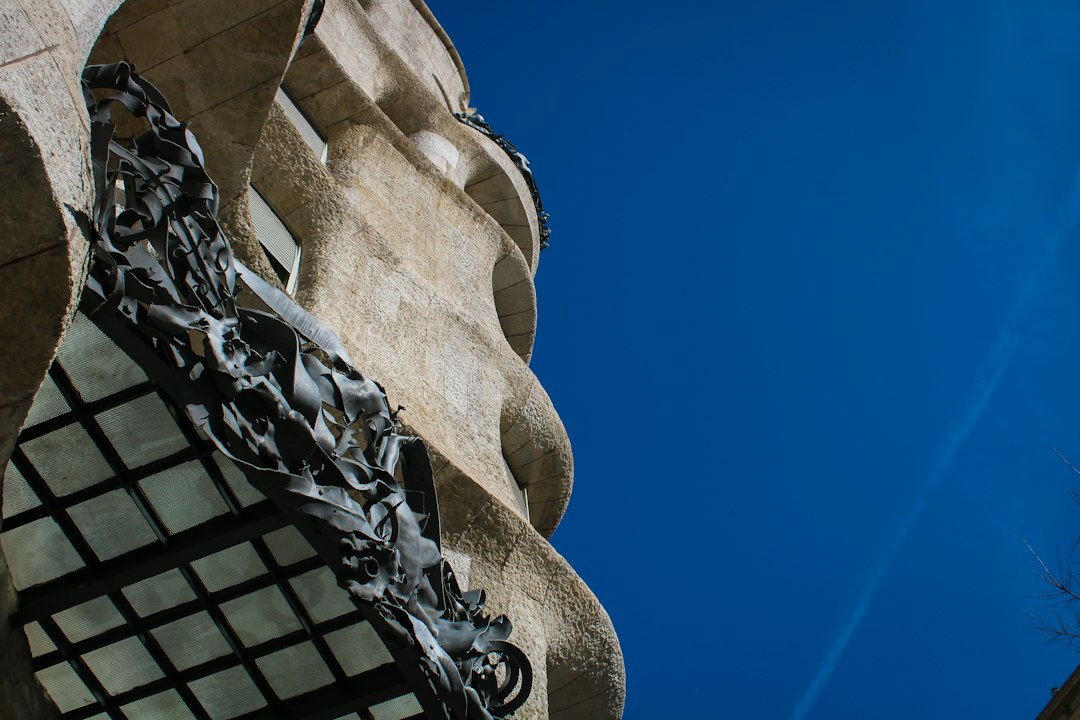
Choosing where to stay in Barcelona affects the trip more than choosing between two similar hotels. The city’s neighborhoods feel different, and the cheapest room is not always the best value once transport, noise and the places you want to visit are considered.
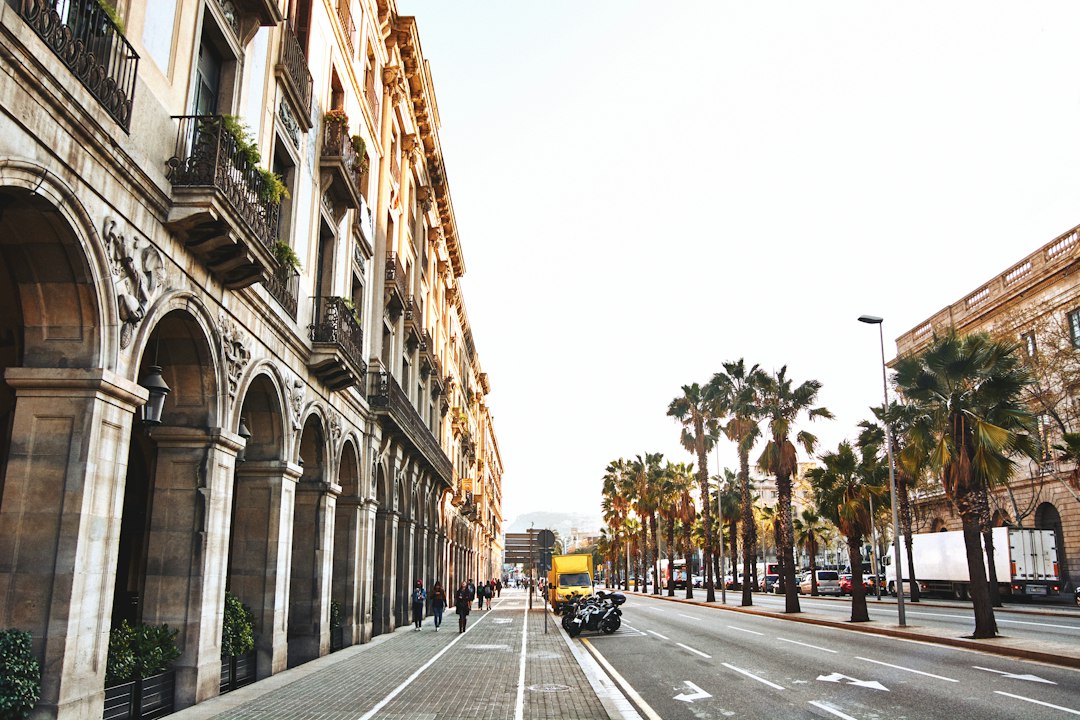
Barcelona’s neighborhoods change the feel of a stay as much as the hotel itself. Photo: Dennis van den Worm / Unsplash.
Quick answer: which Barcelona area fits your trip?
For a first visit focused on architecture and sightseeing, start your search in central Eixample. Choose the Gothic Quarter or El Born for old-city atmosphere, Poblenou for a beach-oriented stay, and Sants when onward train travel shapes your schedule. These are starting points: the exact street, room and transport connection matter more than the neighborhood label.
| Area | Best starting point for | Check before booking |
|---|---|---|
| Eixample | A first sightseeing trip | Distance to your nearest useful metro station; the district is large. |
| Gothic Quarter / El Born | Historic streets and evenings out | Street noise, lift access and the final walk with luggage. |
| Gràcia | Neighborhood squares and a longer stay | The route to your main sights, rather than distance to Park Güell alone. |
| Poblenou | Combining the coast with city visits | Actual beach distance and journeys back from the old city. |
| Sants | Rail connections | Walking route to the station entrance with your bags. |
| Poble-sec | Food and visits around Montjuïc | Hills, nighttime noise and the route to each museum. |
| Barceloneta | A stay centered on the waterfront | Room size, noise and daily trips to inland sights. |
Eixample: best all-round base for a first visit
Good for: first-time visitors, architecture, shopping, transport and travelers who want a central but easier-to-navigate area.
Eixample spreads around major avenues such as Passeig de Gràcia and gives you straightforward access to Gaudí architecture, restaurants and metro lines. It is less maze-like than the old city and has a broad range of hotel styles.
Gothic Quarter: best for historic atmosphere
Good for: short stays, first-time sightseeing and travelers who want to walk out into medieval streets.
The Gothic Quarter puts you close to the cathedral, Plaça Sant Jaume and the old-city street network. The trade-offs can include nightlife noise, narrow streets and more tourist foot traffic.
El Born: best for history plus evening atmosphere
Good for: couples, restaurants, culture and a stylish old-city base.
El Born sits beside the Gothic Quarter but has its own character, with Santa Maria del Mar, galleries, restaurants and easy access toward Parc de la Ciutadella.
Gràcia: best for a neighborhood feel
Good for: repeat visitors, longer stays and travelers who prefer local squares and a more residential rhythm.
Gràcia is still well connected but feels less dominated by major sightseeing. It is also useful if Park Güell is high on your list.
Poblenou and Sant Martí: best for more space and coastal access
Good for: families, business travelers, longer stays and visitors who like a modern district nearer the beach.
You trade some old-city atmosphere for wider streets, newer buildings and easier access to parts of the waterfront.
Sants: best for rail connections and practical value
Good for: travelers using Barcelona as a rail base, early departures and visitors who prioritize transport over postcard atmosphere.
Staying near Barcelona Sants can simplify onward trains and airport connections. Check the exact street because the feel changes quickly between commercial and residential blocks.
Poble-sec and Montjuïc: best for culture and a quieter edge of the centre
Good for: museums, Montjuïc, food and travelers happy to be slightly outside the most obvious tourist core.
Barceloneta: best if the beach is the priority
Good for: waterfront access and travelers who specifically want to be near the sea.
Do not choose Barceloneta simply because Barcelona has a beach. If architecture and old-city sightseeing are more important, another district may make daily travel easier.
Test the hotel address before comparing prices
Open the official TMB journey planner and test three journeys from the actual hotel: your arrival point, the sight you most want to visit and the area where you expect to spend an evening. Set the relevant day and time. TMB lets you compare routes with less walking or fewer changes and filter for accessible metro stations.
A cheaper hotel may still suit you if the journey is simple. It becomes less attractive if every outing needs several changes or a long walk. For a family that returns for a midday break, repeat that journey in both directions before booking.
Questions worth asking the hotel
- Is the room street-facing or courtyard-facing, and can you request a quieter position?
- Is there a lift from entrance level to your floor?
- What bed arrangement is guaranteed for your party, including children?
- Does the final price include all mandatory charges, and what remains payable on arrival?
- What happens if your flight or train arrives after reception hours?
For a short city stay, keeping one base usually avoids wasting time packing and checking in again. If your priorities change from sightseeing to several beach days, compare the benefit of moving with that lost time.
How to choose between neighborhoods
Score each area on:
- walking distance to your top three sights;
- nighttime noise tolerance;
- public transport;
- hotel price after tourist tax;
- restaurant and breakfast options;
- how often you plan to return to the hotel during the day.
For current budget strategy, read Cheap Hotels in Barcelona. For specific hotel options, see Best Hotels in Barcelona.
Return to the main Barcelona Travel Guide to plan the wider trip.
Last reviewed: September 2026.