
Recommended for you
Dealing With a Bad Vacation: How I Survived My Travel Nightmare
I remember sitting on the edge of a damp, lumpy mattress in what was supposed to be a sun-drenched coastal villa, holding my head in my hands while the rain pounded relentlessly against a single, cracked windowpane. This was not the trip I had meticulously planned for over a year. I had invested my savings, my limited time off, and my emotional energy into this getaway, only to watch it unravel on day one. At that very moment, dealing with a bad vacation felt like an insurmountable challenge, a heavy weight that was actively crushing my spirit. But as I look back on that trip now, I realize that dealing with a bad vacation taught me more about resilience, adaptability, and my own internal strength than any perfect, sun-kissed holiday ever could.
When you find yourself dealing with a bad vacation, the initial shock is almost always accompanied by a profound sense of grief. It sounds dramatic, but it is true. You are grieving the loss of the experience you imagined. I had pictured myself sipping espresso on a sunlit balcony, not shivering in a cold, mold-scented room while waiting for a lost luggage claim to be processed. I had to quickly learn that dealing with a bad vacation requires a fundamental shift in perspective. It demands that you mourn the trip you wanted, so you can actually experience the trip you are on. In my journey of dealing with a bad vacation, I discovered that the disaster itself can become the adventure, provided you have the right mindset.
I decided to document my experience of dealing with a bad vacation in real-time. I pulled out my notebook and leaned heavily into travel journaling to process my deep frustration. I wrote pages about how unfair it felt, about how angry I was at the deceptive online photos of the accommodation, and about how exhausted I felt after a 14-hour delayed flight. Acknowledging these negative emotions is the first and most vital step in dealing with a bad vacation. If you try to force toxic positivity upon yourself while dealing with a bad vacation, you will only end up feeling worse.
The Initial Shock: When the Dream Unravels
The first sign that I would be dealing with a bad vacation started at the airport. My flight was delayed by six hours, which meant I missed my connecting train. By the time I finally arrived at my destination, it was past midnight. Dealing with a bad vacation often starts with logistical nightmares like this. I was exhausted, trying to beat jet lag, and desperately hungry. When I finally reached my rented apartment, the key lockbox was jammed. I stood in the pouring rain at 1:00 AM, desperately trying to contact a host who was sound asleep.
As I stood there, shivering and completely exhausted, the reality of dealing with a bad vacation washed over me. I wanted to cry, and honestly, I did. I let the tears mix with the rain. I have learned that when dealing with a bad vacation, it is perfectly acceptable to have a meltdown. You do not have to be strong every single second. The art of dealing with a bad vacation involves giving yourself the grace to be utterly miserable for a little while. I finally managed to get inside the apartment, only to find that it was freezing, smelled of damp mildew, and looked nothing like the vibrant, airy photos I had seen online.
Waking up the next morning did not bring the sunshine I had hoped for. The rain continued, a gray, relentless drizzle that seemed to mock my tropical packing list. Dealing with a bad vacation in bad weather is a special kind of torment. You feel trapped. I spent the first morning huddled under a thin blanket, scrolling through social media, looking at friends who were having flawless holidays. The comparison only made dealing with a bad vacation harder. I realized that to successfully manage dealing with a bad vacation, I had to disconnect from the digital world and stop comparing my messy reality to someone else’s curated highlight reel.

Acknowledging the Reality of the Situation
By noon on the second day, I knew I was officially dealing with a bad vacation. I could no longer pretend this was just a minor hiccup. The accommodation was awful, the weather was bleak, and to top it off, I woke up with a scratchy throat. Dealing with a bad vacation while feeling physically unwell amplifies the misery tenfold. I dragged myself to a local pharmacy, communicating my symptoms through awkward hand gestures and a translation app. It was humbling. Yet, amidst the frustration of dealing with a bad vacation, I noticed the kindness of the pharmacist, who offered me a warm smile and some herbal tea along with the medication.
That small act of kindness was a tiny spark in the darkness. It reminded me that dealing with a bad vacation does not mean the entire world is against you. It just means the circumstances are misaligned. I walked to a nearby cafe, sat by a foggy window, and ordered a strong coffee. I sat there for hours, simply observing the locals going about their day in the rain. They were not letting the weather ruin their lives, and I realized I should not let it ruin my trip. Dealing with a bad vacation is fundamentally about acceptance. You must accept that the perfect itinerary is gone.
I took out a pen and paper and literally wrote down the phrase, ‘I am dealing with a bad vacation.’ Seeing it in ink somehow took the power away from the situation. It was a fact, not a personal failure. Sometimes, dealing with a bad vacation feels like a reflection of your own poor planning, but travel is inherently unpredictable. You can research for months, cross-reference reviews, and still end up dealing with a bad vacation due to factors entirely outside your control. Forgiving yourself for the circumstances is a crucial element of dealing with a bad vacation.
The Emotional Toll of Travel Mishaps
It is important to talk about the mental health aspect of dealing with a bad vacation. The stress can be overwhelming. I found myself battling severe anxiety, wondering if I should just book an early flight home and cut my losses. I had to actively work to overcome travel anxiety that was paralyzing my decision-making. When dealing with a bad vacation, your brain tends to catastrophize. A bad hotel room suddenly means the whole city is terrible. A rainy day means the whole week is ruined. Recognizing these cognitive distortions is vital when dealing with a bad vacation.
I realized I needed a strategy. Dealing with a bad vacation requires a tactical approach to your own emotions. I decided to implement a ‘rule of three’ for dealing with a bad vacation. I allowed myself to complain about three things each day, and once I hit my quota, I had to pivot to finding solutions. This simple mental trick completely transformed my approach to dealing with a bad vacation. It allowed me to vent my frustrations without letting them consume my entire identity as a traveler.
Furthermore, dealing with a bad vacation can be incredibly isolating, especially if you are traveling solo, as I was. You do not have a companion to commiserate with, to laugh at the absurdity of the situation with. Dealing with a bad vacation alone forces you to become your own best friend and your own biggest cheerleader. I had to literally speak kindly to myself. I told myself, ‘You are dealing with a bad vacation right now, but you are resourceful, you are smart, and you will get through this.’ This self-compassion is the secret weapon for dealing with a bad vacation.
Finding the Turning Point
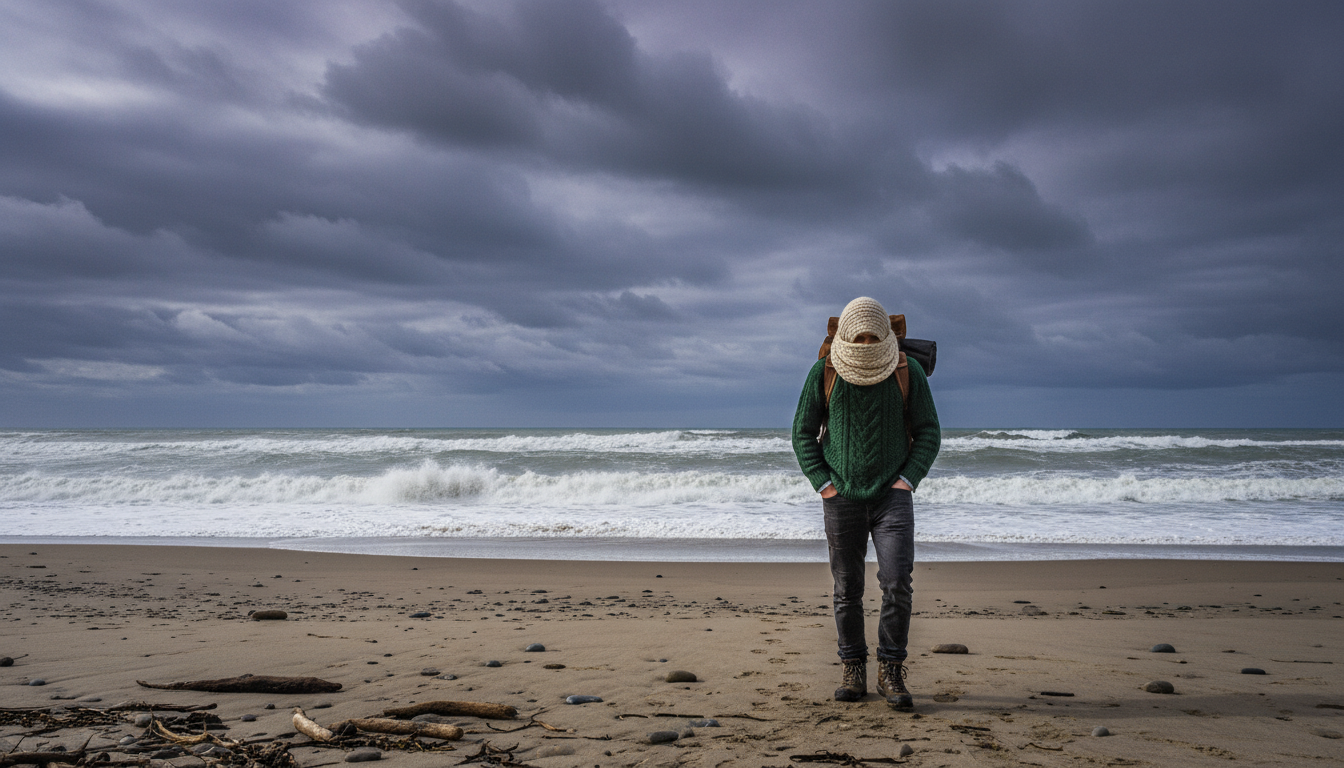
The turning point in my experience of dealing with a bad vacation came on day four. The rain finally broke, revealing a stunningly dramatic, cloudy sky. I decided I was going to leave the depressing apartment and spend the entire day outside, regardless of what happened. Taking decisive action is the best antidote when dealing with a bad vacation. I put on my most comfortable shoes, grabbed my umbrella, and walked without a destination in mind. I let the city guide me, rather than my failed itinerary.
- Letting go of the plan: When dealing with a bad vacation, the itinerary is your enemy. Shred it.
- Embracing spontaneity: Allowing myself to wander aimlessly led me to a tiny, family-owned bakery I would never have found otherwise.
- Finding joy in the micro-moments: Dealing with a bad vacation taught me to celebrate the perfect cup of coffee or a friendly stray cat.
- Lowering the stakes: I realized that dealing with a bad vacation was not a life-or-death scenario; it was just a temporary inconvenience.
That afternoon, I stumbled upon a small neighborhood market. The vibrant colors of the fresh produce, the loud, musical chatter of the vendors, the smell of roasting garlic—it all grounded me. I bought a few fresh items and sat on a wet stone bench to eat them. It was a simple, rustic meal, but after days of dealing with a bad vacation, it tasted like absolute perfection. I realized that my obsession with the ‘perfect’ trip was preventing me from enjoying the ‘real’ trip. Dealing with a bad vacation forces you to strip away the glossy expectations and embrace the gritty, authentic reality of a place.
Dealing with a bad vacation is often a masterclass in letting go. I had to let go of the money I had wasted on the terrible apartment. I had to let go of the sunburned, beachside photos I was not going to get. Once I let those things go, dealing with a bad vacation became significantly easier. I was no longer fighting the current; I was floating with it. I started taking photos of the moody, overcast streets. I captured the beauty in the melancholy. Dealing with a bad vacation actually made me a more creative and observant traveler.
Practical Steps I Took to Salvage the Trip
Having reached a place of emotional acceptance, I knew that dealing with a bad vacation still required practical, actionable steps to improve my physical reality. The first step was addressing the accommodation. I could not spend another night in that damp room. I decided that part of dealing with a bad vacation was knowing when to cut your losses. I searched online for a budget-friendly but clean hotel nearby. I found a tiny, modest room in a family-run pension. It was not luxury, but it was warm, dry, and safe. Spending a little extra money was painful, but dealing with a bad vacation sometimes requires a financial pivot to save your sanity.
The second practical step in dealing with a bad vacation was changing my environment constantly. Since my new room, though clean, was very small, I decided I would only use it for sleeping. I spent my days in museums, libraries, and cafes. Dealing with a bad vacation by hiding in your room only prolongs the misery. You must force yourself out the door. I made it my mission to find the best hot chocolate in the city, turning what could have been a miserable, cold day into a fun, self-guided culinary tour.
Another crucial tactic for dealing with a bad vacation is changing your physical state. I found a local public swimming pool and spent an hour swimming laps. The physical exertion burned off the anxious energy that builds up when dealing with a bad vacation. I also booked a cheap, local massage. When you are dealing with a bad vacation, your body holds onto the tension. Taking care of your physical vessel is paramount. You cannot enjoy a new city if your shoulders are practically touching your ears from stress.
Changing the Narrative and Connecting with Locals
One of the most profound lessons I learned about dealing with a bad vacation is that connection changes everything. When I stopped focusing on my own misery and started focusing on the people around me, dealing with a bad vacation became a cultural immersion. I started striking up conversations with bartenders, shop owners, and fellow travelers. I would humorously explain that I was dealing with a bad vacation, sharing the story of my jammed lockbox and the damp room. Instead of pity, I was met with laughter, empathy, and incredible hospitality.
Locals love to help a traveler who is genuinely trying to make the best of a bad situation. When they heard I was dealing with a bad vacation, they gave me their absolute best recommendations. A barista directed me to a tiny, hidden art gallery that was completely free and empty of tourists. A bookstore owner recommended a neighborhood trattoria where I had one of the best meals of my life. Dealing with a bad vacation actually opened doors that a flawless, heavily planned trip would have kept firmly shut.
I realized that my travel bucket list had been completely disrupted, but I was replacing it with a far more authentic list of experiences. Dealing with a bad vacation teaches you that the famous monuments and tourist traps are not the only things worth seeing. The essence of a destination is in its people, its quiet corners, and its everyday life. By dealing with a bad vacation head-on, I was forced into the real fabric of the city, far away from the polished tourist facade.
Post-Trip Reflection: The Aftermath of the Disaster
When the trip finally ended and I boarded my flight home, I felt a strange sense of accomplishment. I had survived dealing with a bad vacation. I had not let it break me. I sat on the plane, reflecting on the whirlwind of emotions. Dealing with a bad vacation is exhausting, but it builds an incredible amount of travel confidence. I knew that if I could handle being stranded, sick, and misled in a foreign country, I could handle almost anything future travels might throw at me.
Returning home after dealing with a bad vacation requires a debriefing period. Friends and family asked, ‘How was the trip?’ and I chose to be honest. I told them I was dealing with a bad vacation for the first few days, but I also told them about the incredible bakery, the kind pharmacist, and the moody, beautiful photographs I had taken. I realized that dealing with a bad vacation gives you the best stories. A perfect vacation is pleasant to experience, but it is incredibly boring to talk about. A disaster, however, is a narrative goldmine.
Through dealing with a bad vacation, I learned to identify my own travel non-negotiables for the future. I learned that I can compromise on location, but I cannot compromise on cleanliness and warmth. I learned that packing a small medical kit is essential. Dealing with a bad vacation is the ultimate educational experience for any traveler. You learn more about your own resilience in a single week of dealing with a bad vacation than in a decade of flawless, resort-style lounging.
The Long-Term Impact on My Travel Mindset
Months later, I caught myself looking at the photos from that trip. I did not look at them with regret or anger. I looked at them with a deep fondness. The experience of dealing with a bad vacation had fundamentally altered my travel DNA. I no longer panic when a train is delayed. I no longer obsess over online reviews until 2 AM. Because I have mastered dealing with a bad vacation, the fear of things going wrong has completely vanished. The worst has already happened, and I handled it beautifully.
If you are currently sitting in a terrible hotel room, crying over a canceled tour or a lost suitcase, I want you to know that dealing with a bad vacation is a rite of passage. Every great traveler has a story about dealing with a bad vacation. It is the crucible in which true wanderlust is tested and forged. Take a deep breath, wipe your tears, step out into the rain, and find a warm cup of coffee. Your trip is not ruined; it has simply changed direction. Embrace the detour.
Ultimately, dealing with a bad vacation is not about fixing the unfixable. It is about fixing your relationship with the unpredictable nature of the world. It is about finding peace in the chaos, humor in the tragedy, and beauty in the breakdown. I would never intentionally book a disastrous trip, but having gone through the fire of dealing with a bad vacation, I would not trade the lessons I learned for all the perfect, sunny days in the world.