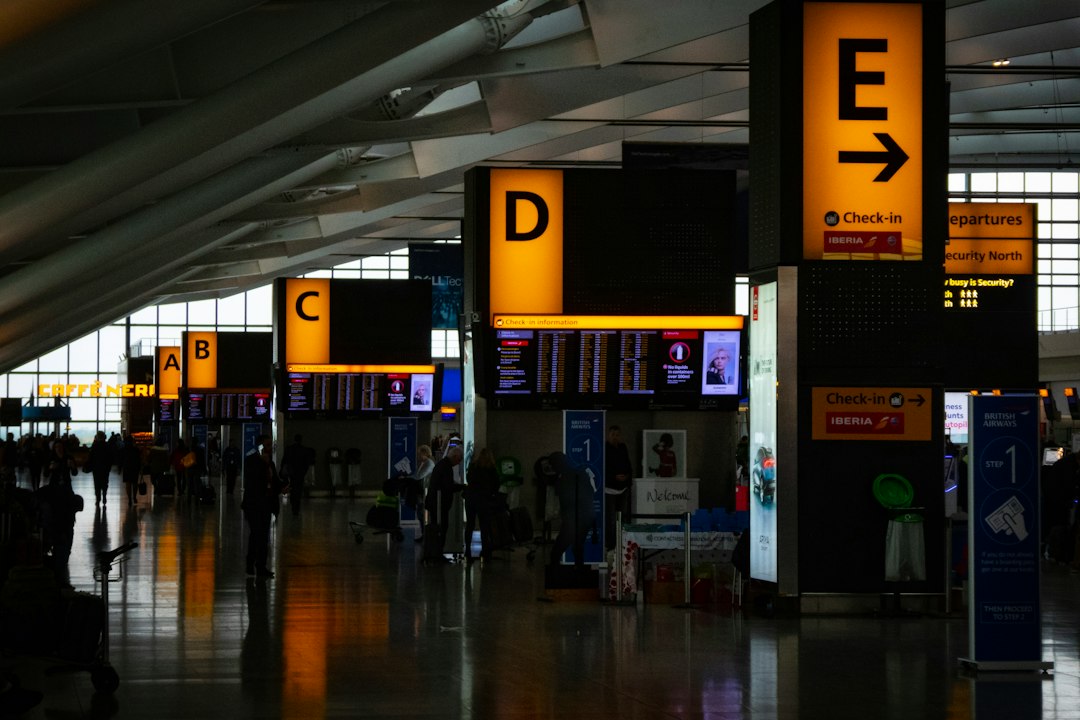
Jet lag happens when your body clock is out of sync with local time after crossing several time zones. It can affect sleep, concentration, mood and physical performance. You cannot always eliminate it, but you can reduce the disruption by managing sleep timing, light exposure and the first days of the trip.
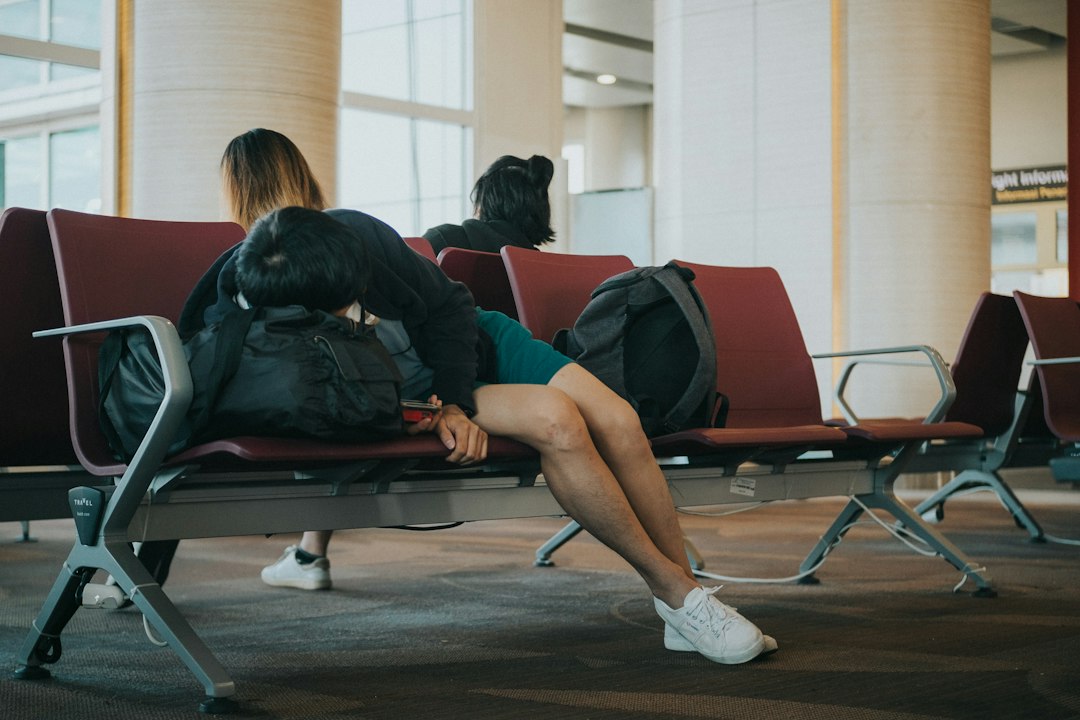
Jet lag is a timing problem, not simply travel tiredness. Photo: Joyce Romero / Unsplash.
How many time zones usually cause jet lag?
The U.S. Centers for Disease Control and Prevention (CDC) notes that jet lag commonly occurs after travel across more than three time zones, although people can be affected after fewer. The greater the shift, the more adjustment the body may need.
CDC Travelers’ Health: Jet Lag
Why eastbound and westbound travel feel different
Many travelers find eastbound trips harder because the body has to fall asleep earlier than usual. Westbound travel generally asks the body to stay awake later. Individual responses vary, but the direction of travel is useful when planning the days before departure.
Begin adjusting before the flight
CDC suggests gradually shifting sleep before travel when practical:
- Traveling east: go to bed and wake somewhat earlier.
- Traveling west: go to bed and wake somewhat later.
You do not need to move your schedule by the full time-zone difference. Even a modest change over several days can make the first destination night less abrupt.
Protect sleep before departure
Starting a long-haul journey already exhausted makes the first days harder. Avoid deliberately staying up all night in the hope that you will sleep through the flight. Pack and finish important work early enough to get normal rest before departure.
Light is one of the strongest timing signals
| Goal | General approach |
|---|---|
| Shift your body clock earlier | Seek appropriately timed morning light and reduce bright light late in the evening. |
| Shift it later | More light later in the day can help; avoid unnecessarily early bright light. |
| Adapt after arrival | Spend time outdoors and follow local daytime activity. |
Light timing can become complicated on very large time-zone changes. For most leisure travelers, the practical goal is simpler: get outside during local daytime and avoid spending the entire arrival day in a dark hotel room.
On the flight
- set your phone or watch to destination time;
- hydrate normally;
- sleep when the flight timing overlaps reasonably with destination night;
- use an eye mask and earplugs if they help you rest;
- move around periodically on long flights when it is safe to do so.
Do not force a full “night” of sleep if the flight schedule makes it unrealistic.
After arrival: switch to local time
Use local time for meals, activity and bedtime as soon as practical. Staying awake until a reasonable local bedtime often helps establish the new rhythm more quickly than sleeping for several hours immediately after checking in.
Naps: useful, but keep them controlled
If you are exhausted, a short nap may improve alertness. A long late-afternoon sleep can make the first local night much harder. Set an alarm rather than relying on waking naturally when you are severely tired.
Caffeine can help at the right time
Caffeine can improve alertness but may delay sleep if used late in the destination day. Use it strategically in the morning or early part of your local waking period rather than continuously throughout the flight and evening.
Alcohol is not a jet-lag treatment
Alcohol may make you feel sleepy but can fragment sleep and leave you feeling worse after a long journey. Treat it as a drink choice, not as a sleep strategy.
Meals and hydration
Eating on local time can reinforce the new daily schedule. CDC also notes that smaller meals before and during travel can be more comfortable for people who experience stomach symptoms with jet lag.
You do not need a special “jet lag diet.” Regular meals, normal hydration and local meal times are usually more practical than complicated routines.
What about melatonin?
Melatonin is used by some travelers to help shift sleep timing, but timing and dose matter and it is not appropriate for everyone. If you take medication, have a medical condition, are pregnant, or are unsure whether it is suitable, discuss it with a qualified health professional rather than treating it as a generic travel supplement.
A simple arrival-day plan
- Get daylight during local daytime.
- Eat according to local time.
- Walk or move gently rather than spending the whole day in bed.
- Use a short nap only if necessary.
- Limit late caffeine.
- Aim for a normal local bedtime.
Give yourself recovery time before important events
CDC suggests arriving at least two days before an important event when possible. That is particularly sensible before a wedding, major meeting, sports event or anything where concentration and energy matter.
Do not overbook the first day
Immigration, baggage, airport transfers and fatigue already create uncertainty. Plan one simple activity close to your accommodation instead of building a tightly timed sightseeing schedule immediately after landing.
When adjustment is taking longer
Jet lag is temporary, but persistent or severe sleep problems may have another cause. If sleep disruption is significant or does not improve as expected, seek medical advice rather than repeatedly self-treating it.
Make the arrival less stressful
For a calmer first day, see our Travel Anxiety Guide, Travel Planning Guide and Packing Light Guide.
Last reviewed: September 2026. This guide is general travel information, not individual medical advice.