I. Introduction
The Indian mountains are a treasure trove of beauty and diversity, offering an array of breathtaking landscapes, rich biodiversity, and vibrant cultures. From the soaring peaks of the Himalayas to the lush greenery of the Western Ghats, each region presents a unique tableau that appeals to both seasoned adventurers and casual travelers alike.
Hiking, in particular, captures the spirit of adventure travel, allowing individuals to immerse themselves in nature, challenge their physical limits, and experience the serenity of untouched landscapes. The hiking trails of India are not just paths through the mountains; they are gateways to unforgettable experiences, cultural encounters, and scenic vistas that inspire wanderlust.
This blog post explores the best hiking trails across the Indian mountains, providing insights and tips for planning your next adventure. Whether you are a beginner or an experienced trekker, the trails of India promise an adventure like no other.
II. Why Choose India for Hiking
India is a land of contrasts, with its geographical diversity presenting myriad hiking opportunities. Here are some compelling reasons to choose India for your next hiking trip.
A. Diverse landscapes and ecosystems
India’s mountain ranges are home to a myriad of ecosystems, encompassing everything from alpine meadows to dense forests. The most notable ranges include:
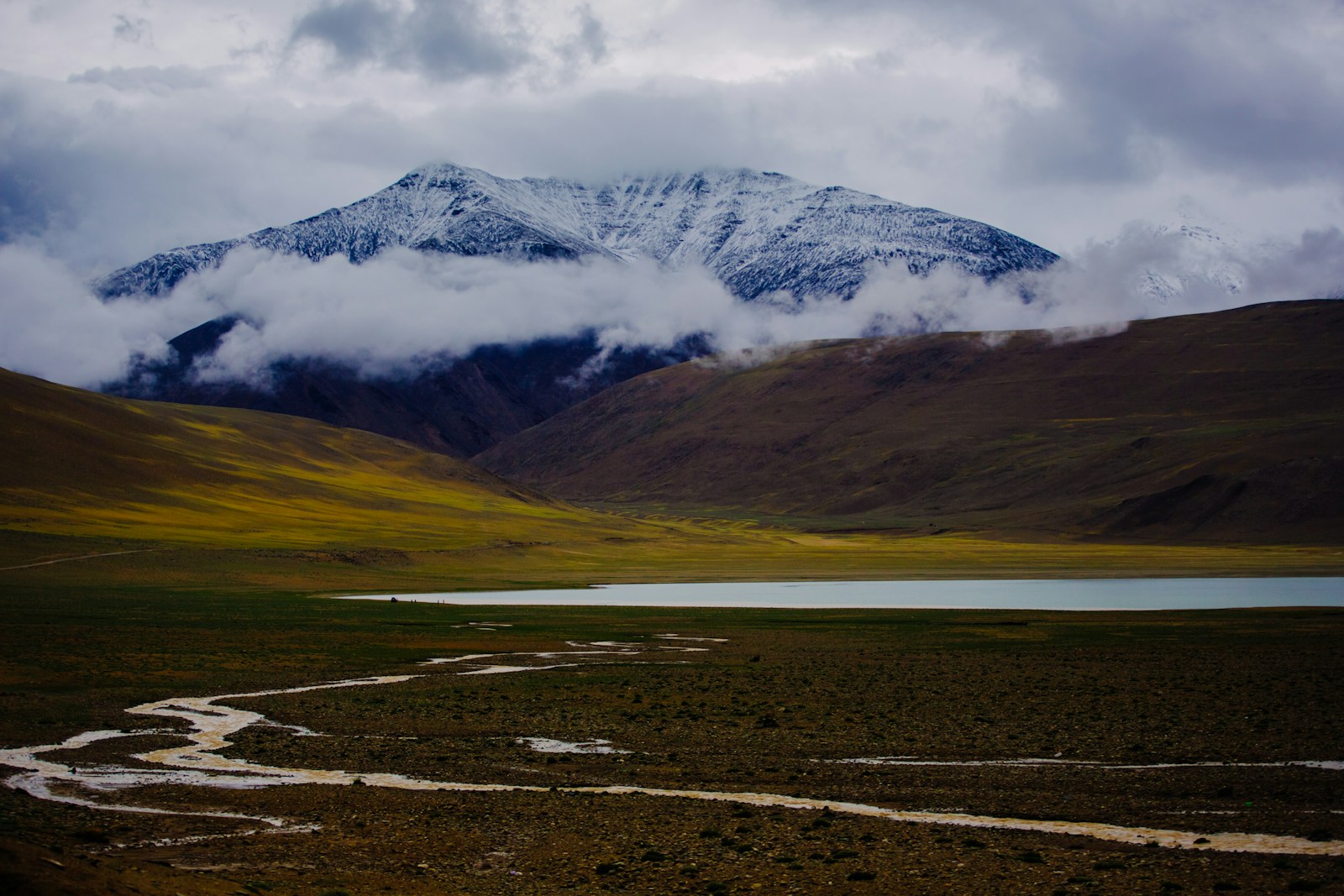
- The Himalayas: The highest mountain range in the world, the Himalayas boast some of the most iconic treks and breathtaking views. The region offers a wide range of trails, from moderate hikes to challenging ascents, each showcasing the beauty of snow-capped peaks and glacial lakes.
- The Western Ghats: A UNESCO World Heritage site, this mountain range is known for its rich biodiversity and lush scenery. The Western Ghats are perfect for those who enjoy hiking through dense forests and exploring waterfalls and tea plantations.
- The Aravalli Range: This ancient range offers unique geological formations and is ideal for weekend hikes, with many trails winding through historical forts and villages.
B. Cultural experiences along the trails
Hiking in India is not just about reaching a destination; it’s about the journey and the experiences along the way. The trails often lead through villages where you can interact with local communities, learn about their traditions, and savor authentic regional cuisine. Festivals, rituals, and the warmth of local hospitality enrich the hiking experience, making it a cultural adventure as well.
III. Planning Your Hiking Adventure in India
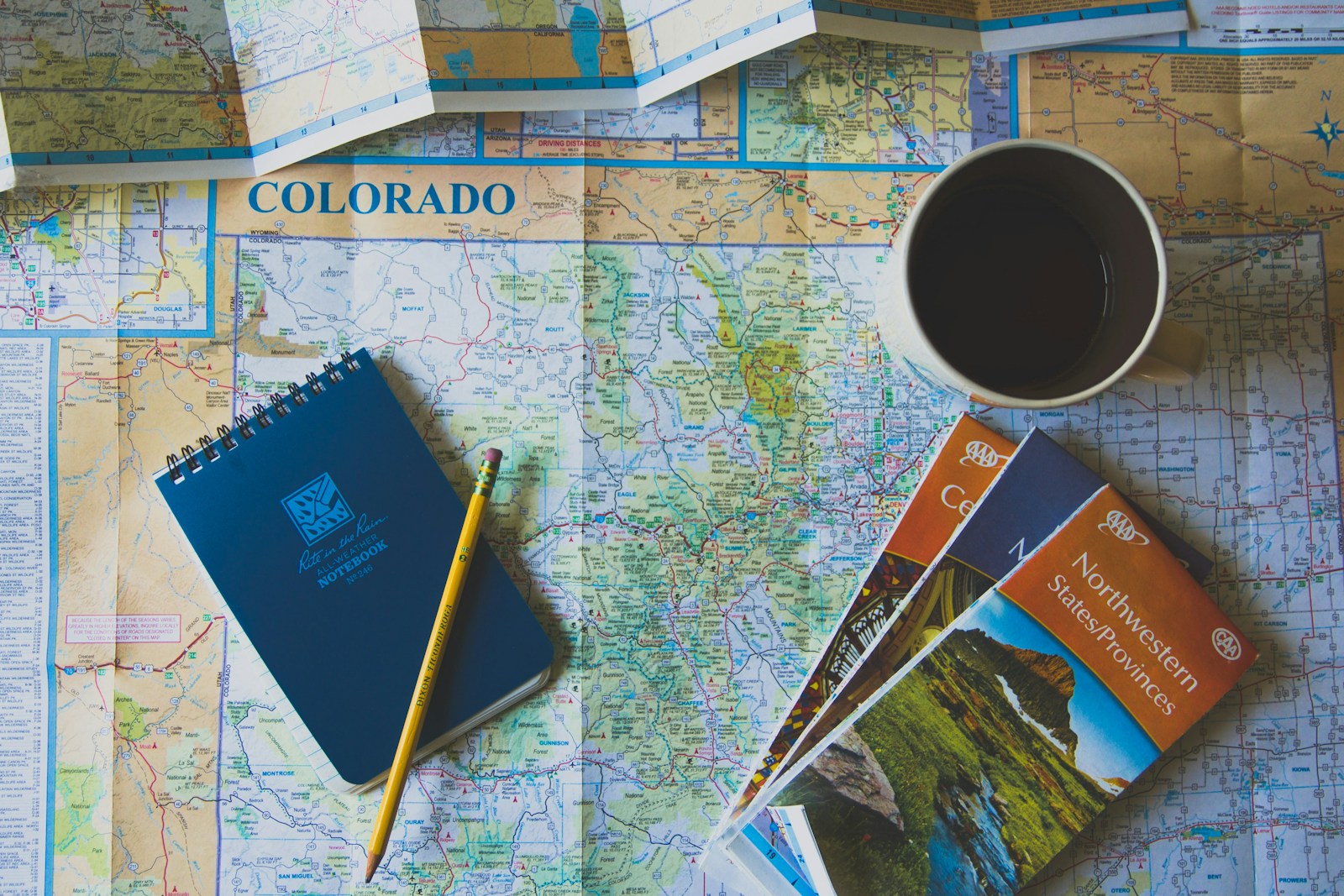
Preparation is key to a successful hiking trip, especially in a diverse country like India. Here are essential tips to consider when planning your adventure.
A. Essential travel tips for hikers
To ensure a safe and enjoyable hiking experience, keep the following essentials in mind:
- Packing light essentials for comfort and safety: A well-packed backpack is crucial. Essentials include a lightweight tent, sleeping bag, proper hiking boots, weather-appropriate clothing, a first aid kit, and sufficient water purification methods. Pack food that is high in energy but light in weight, such as nuts, energy bars, and dried fruits.
- Importance of travel insurance: Always invest in travel insurance that covers hiking-related activities. Accidents can happen, and being insured can save you from hefty medical bills and logistical nightmares if you need to be evacuated or treated for an injury.
B. Budget travel considerations
Traveling in India can be affordable if you plan wisely. Here are some tips to manage your budget:
- Finding affordable accommodation options: Look for budget hotels, hostels, or homestays in the vicinity of hiking trails. Websites like Airbnb and local travel platforms often offer great deals. Glamping is another fantastic option, allowing you to experience nature without compromising on comfort.
- Best times for off-season travel: Traveling during the off-peak seasons not only allows you to enjoy a quieter experience but also helps save money on accommodation and travel costs. Generally, late autumn and early spring are great times to hike in many regions, avoiding the summer heat and monsoon rains.
IV. Top Hiking Trails in India
With a plethora of hiking trails spread across the country, here are some popular and lesser-known treks worth exploring.
A. Popular trails worth exploring
1. Roopkund Trek
The Roopkund Trek is renowned for its glacial lake, also known as the Skeleton Lake, located at an altitude of 5,029 meters. The trail takes you through enchanting forests, lush meadows, and stunning mountain vistas, making it a favorite among trekkers. The best time to visit is from May to June and September to October.
2. Markha Valley Trek
This trek is situated in the Ladakh region and is famous for its stark landscapes and vibrant culture. The Markha Valley Trek offers breathtaking views of the Zanskar range, and trekkers can experience the local Buddhist culture along the way. The best time to go is from June to September when the weather is most favorable.
3. Chadar Trek
The Chadar Trek, also known as the Frozen River Trek, is an unparalleled adventure that takes you along the frozen Zanskar River in winter. This unique experience allows trekkers to walk on ice while surrounded by stunning snow-covered mountains. The trek typically takes place in January and February when the river is frozen solid.
B. Lesser-known gems for adventure seekers
1. Sandakphu Trek
Located in West Bengal, the Sandakphu Trek is ideal for those looking to escape the crowds. It offers stunning views of four of the world’s five highest peaks: Mount Everest, Kanchenjunga, Lhotse, and Makalu. The trek is particularly beautiful during the spring when rhododendron flowers bloom. The best time to trek is between April and May or October and November.
2. Triund Trek
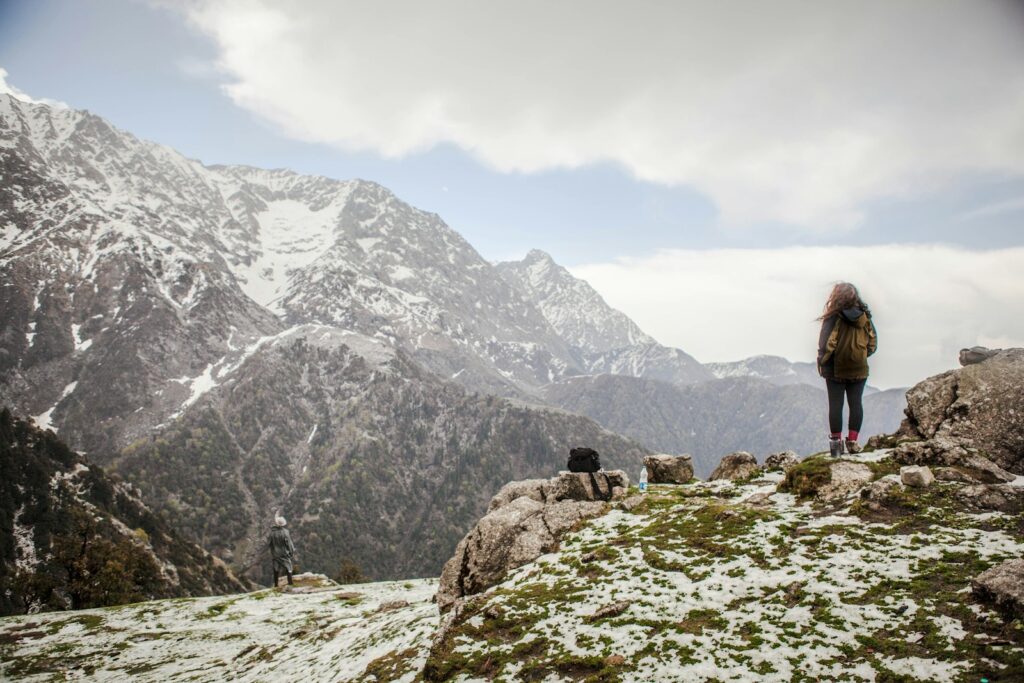
The Triund Trek, located in the Dhauladhar range near Dharamshala, is a popular short trek suitable for beginners. It offers panoramic views of the Himalayan ranges and is accessible year-round. The trek is particularly breathtaking at sunrise when the first rays of sun touch the peaks.
V. Enhancing Your Experience on the Trails
To make the most of your hiking experience in India, consider incorporating these enriching elements into your adventure.
A. Local cuisine to try during your hikes
One of the joys of hiking in India is tasting the local cuisine. Each region offers unique flavors and dishes that reflect its culture and resources. Don’t miss trying:
- Thukpa: A hearty noodle soup popular in the Himalayan region.
- Dhokla: A savory snack from Gujarat made from fermented rice and chickpea batter.
- Momoz: Steamed dumplings from the northeastern states, often filled with vegetables or meat.
B. Wildlife safari opportunities along select routes
Some hiking trails pass through national parks and wildlife sanctuaries, offering opportunities for wildlife spotting. For instance, the trails in Uttarakhand often lead through areas inhabited by unique flora and fauna, including the elusive snow leopard and various bird species. Always remember to maintain a safe distance and respect wildlife habitats.
C. Cultural festivals that coincide with hiking trips
Timing your hike with local festivals can add a vibrant layer to your experience. For example, the Hemis Festival in Ladakh, celebrated in June or July, showcases colorful dances and local culture. Participating in such events can be an enriching experience that connects you deeper with the local community.
VI. Safety Tips for Hikers
Safety should always be a priority while hiking. Here are some essential safety tips to keep in mind:
A. Travel safety precautions to consider while trekking
- Stay hydrated: Carry enough water and hydrate regularly, especially at high altitudes.
- Acclimatization: Allow your body time to adjust to higher elevations to prevent altitude sickness.
- Know your limits: Choose trails that match your fitness level and experience.
- Travel in groups: Whenever possible, hike with others for added safety.
B. Recommended travel apps for navigation and planning
Use technology to enhance your hiking experience. Consider downloading apps like:
- AllTrails: Great for discovering trails and reading reviews from other hikers.
- Google Maps: Useful for navigation when you have internet access.
- Maps.me: A reliable offline map app that works well in remote areas.
VII. Conclusion
Hiking in the Indian mountains is an adventure that offers an array of unique experiences, from breathtaking landscapes to rich cultural interactions. The diverse trails cater to all levels of hikers, ensuring that everyone can find a path that resonates with their spirit of adventure.
As you embark on your hiking journey, consider embracing sustainable tourism practices by respecting local cultures and environments, leaving no trace, and supporting local economies.
Now, it’s your turn! Share your hiking experiences or favorite trails in the comments below. Together, let’s inspire others to explore the stunning beauty of India’s hiking trails.