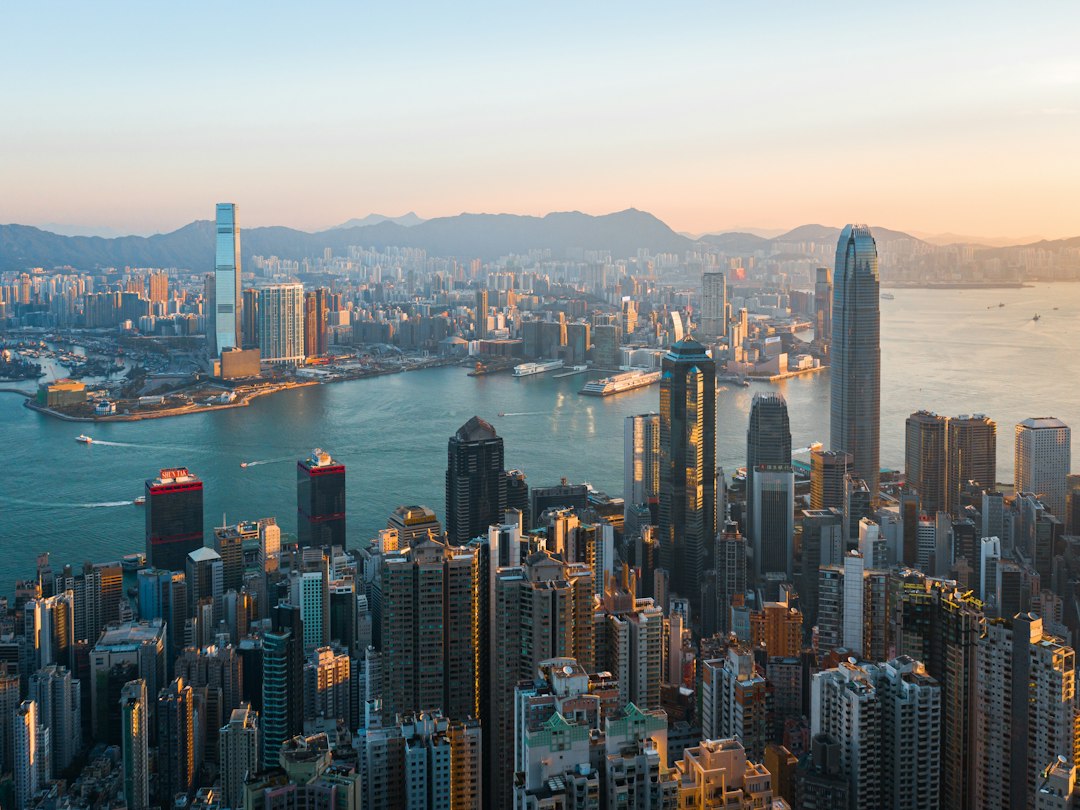
Hong Kong combines skyline views, neighborhoods, temples, food, ferries, islands and hiking in a compact destination. A first visit works best when you alternate dense city days with at least one slower outdoor or island-focused day.
Hong Kong first-trip priorities
| Area / experience | Best for | Planning note |
|---|---|---|
| Victoria Harbour / Central | Orientation and skyline | Good first day |
| Victoria Peak | Views | Keep timing flexible for weather |
| Kowloon | Markets, food and harbour views | Works well into the evening |
| Local districts | Temples and everyday city life | Choose one or two areas per day |
| Island / hiking day | Nature beyond the dense city | Weather matters |
How many days do you need?
| Trip length | Realistic focus |
|---|---|
| 2–3 days | Victoria Harbour, Central, the Peak and Kowloon |
| 4–5 days | Add local districts, temples and an outdoor or island day |
| 6+ days | Explore more slowly and include trails, beaches or outlying islands |
Day 1: Victoria Harbour and Central
Start with the harbour, Central and nearby urban landmarks. This gives you the clearest orientation before exploring farther districts. Keep the evening flexible for skyline views from either side of Victoria Harbour.
Use the Star Ferry at least once if it fits your route. Hong Kong Tourism Board describes it as both a practical cross-harbour service and a visitor experience, connecting Tsim Sha Tsui with Central and Wan Chai.
Day 2: Victoria Peak and Hong Kong Island
Use the Peak for skyline views, then combine it with nearby neighborhoods rather than treating it as an isolated attraction. Weather affects visibility, so avoid locking the visit into a poor-weather slot if your itinerary has flexibility.
After the Peak, stay on Hong Kong Island for Central, Sheung Wan, Wan Chai or another nearby district instead of crossing repeatedly to Kowloon.
Day 3: Kowloon
Explore Tsim Sha Tsui, markets and food-focused streets at a slower pace. Evening harbour views work naturally here, and the Star Ferry can be part of the day rather than just transportation.
Day 4: temples, local districts and food
Choose neighborhoods beyond the most photographed streets. Markets, temples and local dining are a major part of the destination. Build the day around one or two districts instead of zigzagging across the city.
Day 5: island or hiking day
Hong Kong Tourism Board highlights not only city landmarks but also mountain trails, fishing villages and island experiences. Use one day to leave the densest urban areas if weather and your interests allow.
Do not schedule a major hike on the same day as a packed museum/market itinerary. Heat and humidity can make outdoor routes more tiring than the distance suggests.
Transport: MTR, ferries, buses and trams
MTR, ferries, trams, buses and walking cover most first-time visitor needs. Group nearby sights and avoid crossing the harbour repeatedly without a reason.
Hong Kong Tourism Board’s current transport guide notes that Star Ferry fares can be paid with Octopus, credit cards, digital payment methods or a token/cash purchase at the pier, depending on the route and facility.
Official Hong Kong Tourism Board transport guide
Octopus for visitors
An Octopus card can simplify public transport and many small purchases. Hong Kong Tourism Board visitor centres sell a Tourist Octopus product, but formats and visitor options can change. Check the current official information before buying one solely because an old guide recommends a particular version.
If you prefer contactless bank-card or digital payment, check what is accepted on the specific service you plan to use rather than assuming every mode works identically.
Where to stay
- Central/Admiralty: convenient for Hong Kong Island business districts, the Peak and nightlife, usually at a higher price.
- Tsim Sha Tsui: useful for Kowloon sightseeing, harbour views and first-time convenience.
- Wan Chai/Causeway Bay: strong for shopping, dining and transport.
- More local districts: can offer a different atmosphere and sometimes better value, but add travel time.
For a short visit, station access is more important than choosing a hotel based only on the district name.
Food planning
Dim sum, roast meats, noodles, bakeries and cha chaan teng-style cafés can be part of the itinerary rather than separate attractions. Avoid filling every meal with famous venues; leave room for neighborhood finds.
For a practical food day, pick one district and combine a market, bakery/café and one sit-down meal rather than traveling across the city for every recommendation.
Weather and pacing
Heat, humidity and heavy rain can make walking days more tiring than the map suggests. Build indoor alternatives into days with outdoor viewpoints or trails.
In poor visibility, postpone the Peak and spend the time in markets, museums, shopping areas or neighborhoods at street level.
First-time mistakes to avoid
- planning the Peak without considering visibility;
- crossing the harbour several times in one day;
- treating Hong Kong as only a skyline destination;
- underestimating heat and walking;
- trying to combine a major hike with a packed city day;
- booking a distant hotel only because the room looks cheaper.
A simple 4-day structure
- Day 1: Central + Victoria Harbour.
- Day 2: Peak + Hong Kong Island neighborhoods.
- Day 3: Kowloon + markets + evening harbour views.
- Day 4: island, hiking or slower neighborhood day.
This gives you one outdoor-flex day that can be moved around the weather forecast.
Official planning
The Hong Kong Tourism Board publishes current attraction ideas covering Victoria Harbour, the Peak, markets, temples, trails and island experiences.
Continue planning
Before departure, our Best Travel Apps guide can help with maps and transport tools, while the Travel Planning Guide covers the wider preparation process. For a nearby multi-day city comparison, see our 7 Days in Singapore guide.
Last reviewed: October 2026. Transport products, attraction access and operating hours can change; verify current details before travel.