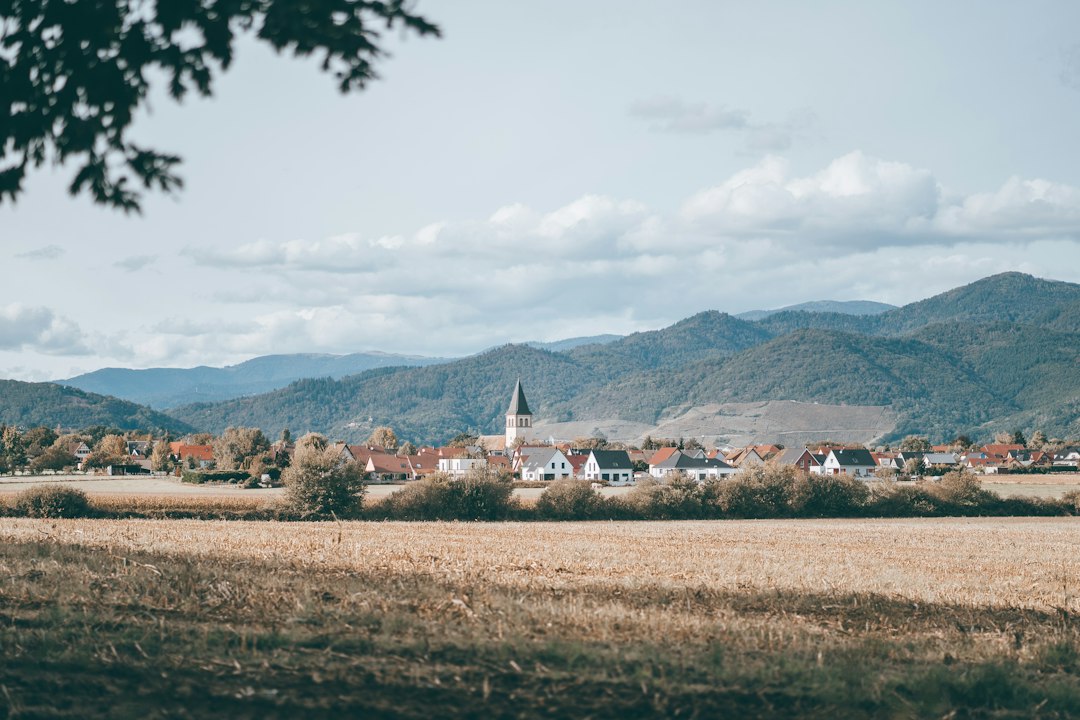
Rural France is not one single destination. The experience changes dramatically between Dordogne villages, Loire countryside, Provence, Brittany, Alsace, Burgundy and mountain regions. A good countryside trip starts by choosing one region rather than trying to collect villages across the country.
Rural France by travel style
| Region | Strongest fit | Transport note |
|---|---|---|
| Dordogne / Périgord | Villages, caves, food and road trips | Car highly useful |
| Loire Valley | Châteaux and heritage | Some trips work by rail |
| Provence | Markets, villages and Mediterranean landscapes | Car adds flexibility |
| Brittany | Coast, stone villages and seafood | Choose bases carefully |
| Alsace / Burgundy | Wine villages and compact scenic routes | Good for short driving loops |
Dordogne and Périgord
This is a strong choice for medieval villages, river valleys, caves, castles and food. It works well for travelers who want a road-trip rhythm with short drives between historic places.
Loire Valley
The Loire combines countryside with major châteaux and works well for travelers who want heritage without giving up relatively easy rail access to larger towns.
Provence
Choose Provence for villages, markets, Mediterranean landscapes and seasonal color. Summer can be busy and hot, so shoulder seasons may be more comfortable.
Brittany
Brittany offers a very different rural atmosphere with stone villages, Atlantic coast, seafood and cooler weather.
Alsace and Burgundy
These regions work well for travelers interested in wine villages, food and compact scenic routes.
Choose the region by travel style
- Castles and heritage: Loire Valley.
- Village road trip: Dordogne-Périgord or Provence.
- Coast and countryside: Brittany.
- Wine and food: Burgundy or Alsace.
- Walking and mountain landscapes: look toward Auvergne, the Alps, Pyrenees or other regional nature areas.
Do you need a car?
For many rural itineraries, a car gives the greatest flexibility. Some well-known towns and château areas are reachable by rail, but small villages may have limited public transport. A useful compromise is to take the train from Paris to a regional city, collect a rental car there and return it before the final city stay.
Choose a base with services, then visit smaller villages
| Region | Base to consider | Main planning trade-off |
|---|---|---|
| Dordogne-Périgord | Sarlat or a nearby village | A town base simplifies meals; a rural property makes transport and evening dining more important. |
| Loire Valley | Blois, Amboise or Tours | A rail-served town can suit a car-free trip, but each château still needs a separate last-mile plan. |
| Provence | A town base with village day trips | Decide whether restaurants within walking distance matter more than an isolated countryside setting. |
| Brittany | A town close to the coast you want to explore | Choose one stretch of coast; a single base will not make the entire region a short day trip. |
| Alsace or Burgundy | A town base for food and nearby villages | Arrange transport separately for wine tastings rather than assuming every stop has frequent public transport. |
These are starting points, not a ranking of hotels or a claim that every village is equally accessible. Map your three most important visits before selecting accommodation.
Can you visit rural France without a car?
Yes, if you choose the itinerary around transport. The Loire is a useful starting point: France.fr’s château journey by train connects towns including Blois, Amboise and Tours. That does not mean every château is beside a station. Check the onward walk, local bus, seasonal shuttle or booked transfer separately.
For each outing, record the last return service and an alternative if you miss it. A village with a bus on weekdays may not suit a Sunday day trip. If the connections do not work, reduce the number of stops or use one organized excursion rather than building a week around unconfirmed journeys.
A simple 7-day countryside structure
- Days 1–3: first base, with two short day trips.
- Day 4: slow transfer between bases, using the journey for a market town, château or scenic stop.
- Days 5–7: second base with a different landscape or food focus.
Two bases usually create a better trip than changing hotels every night. It also leaves enough time for local markets, walks and restaurants rather than using every afternoon for check-in.
A worked example: one week in the Loire
Use Blois for the first three nights and Amboise or Tours for the next three. On arrival day, stay local. Use Day 2 for one château with confirmed transport, and Day 3 for town time or a second nearby visit. On Day 4, move bases after a relaxed breakfast; add an attraction only if luggage storage and check-in make it practical. Keep Days 5 and 6 for one main outing each, with a free afternoon for a market, walk or a delayed visit. Depart on Day 7.
This is a proposed six-night structure, not a packaged tour or a verified transport timetable. It also works as a single-base stay if changing hotels adds more effort than it saves. With a car, compare parking at the accommodation and attractions; without one, choose the base that best serves your actual day trips.
Choose villages for more than appearance
Check markets, walking routes, restaurants, parking and nearby attractions. A beautiful village with very few services may be ideal for an hour but not necessarily for a three-night stay.
Practical checks before choosing accommodation
- distance to the nearest supermarket, bakery or restaurant;
- parking arrangements if you are driving;
- check-in times for small guesthouses;
- local market days and attraction opening days;
- whether you want to cook occasionally or eat out every night;
- how far the property is from the places you actually intend to visit.
Use official regional information
France’s national tourism agency maintains a dedicated Villages and Countryside section with current regional ideas, itineraries and events.
If you are combining the countryside with the capital, our One Week in Paris guide can help you separate city days from the rural portion of the trip. Our Off-Season Travel Guide is useful when comparing spring, autumn and peak-summer trade-offs, while the Multi-City Trip Planning Guide helps if France is part of a longer European route.
Last reviewed: September 2026.