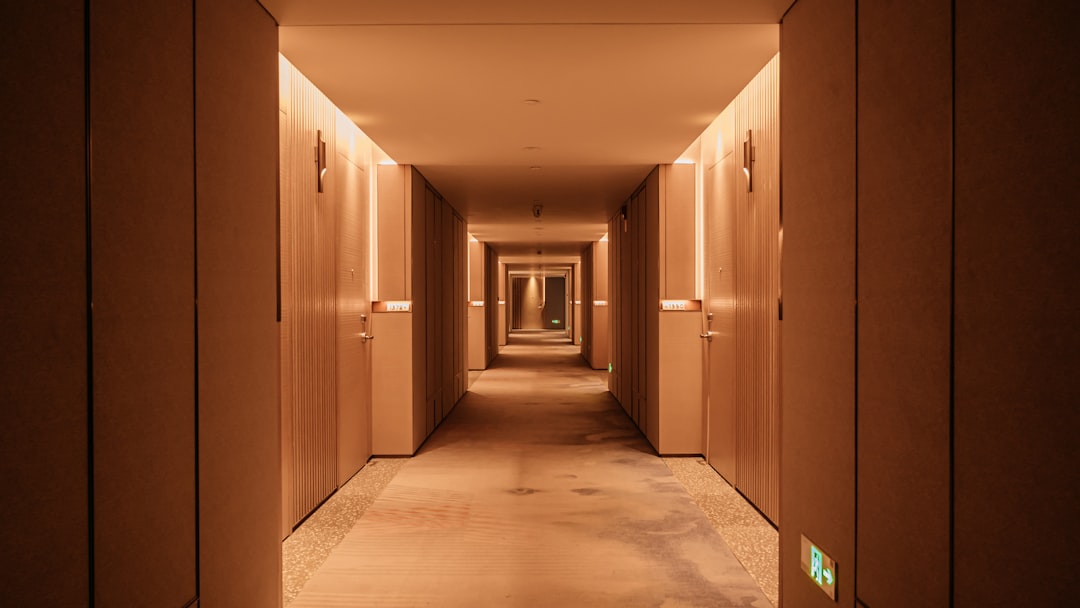
Yes, hotels often have empty rooms—but an empty room is not always a room you can actually book. That distinction explains a lot of the confusion travelers run into when a hotel looks quiet, a corridor seems empty, or lights are off in many rooms while the booking website still says ‘sold out’.
If you have ever wondered do hotels have empty rooms even on busy nights, the answer is usually yes. Some rooms may be physically vacant because of maintenance, housekeeping, late cancellations, group allocations, room-type restrictions or operational decisions. Others may simply remain unsold because demand was lower than expected.
This guide explains how hotel availability really works, why a room can be empty but unavailable, when calling the front desk can help, and whether waiting until the last minute is actually a smart way to save money.
Do hotels have empty rooms every night?
Not every hotel has empty rooms every night, but very few properties operate at exactly 100% occupancy all the time. Demand changes by weekday, season, local events, flight schedules, conferences and dozens of other factors.
A city-center hotel may sell almost every room during a major event and then have plenty of availability a few days later. A resort may be packed during school holidays but noticeably quieter in shoulder season. A business hotel can be busy from Monday to Thursday and softer at weekends.
The important point is that physical vacancy and bookable availability are not the same thing.
Why can a hotel have empty rooms but still show sold out?
This is the part most travelers never see. A hotel may have 200 physical rooms, but the number it can actually sell on a given night can be lower.
1. Rooms can be out of order
A room may be empty because it has a plumbing problem, damaged air conditioning, a broken lock, water damage, furniture being replaced or another issue that makes it unsuitable for a guest. Hotels usually remove these rooms from sellable inventory until the problem is fixed.
So if you see dark windows or an apparently unused floor, that does not mean those rooms are available to book.
2. Housekeeping can temporarily remove a room from availability
A guest may have checked out, but the room still needs cleaning and inspection before another guest can use it. On a busy changeover day, dozens of rooms can be physically empty at midday while none of them are ready for check-in yet.

3. Group bookings can block rooms that are not yet occupied
Hotels regularly reserve blocks of rooms for conferences, weddings, airline crews, sports teams and tour groups. Those rooms may appear empty until the group arrives, but they are already committed.
Sometimes a block is released back into general inventory if the group does not need every room. That is one reason availability can suddenly reappear close to the arrival date.
4. The hotel may have the wrong room type for your search
A hotel can have one room left and still appear unavailable for your search if that room does not meet your requirements. A single traveler may see availability while a family of four does not. A twin room may be available while no double rooms remain. Accessible rooms, connecting rooms and suites can also be managed separately.
5. Minimum-stay and arrival restrictions can hide inventory
During busy dates, a hotel may require a two- or three-night stay, close arrivals on a particular day, or restrict certain discounted rates. If you search for only one night, the booking engine may show no availability even though rooms exist for a longer stay.
Changing your arrival date, departure date or length of stay can sometimes reveal inventory that was hidden by the original search.
6. Inventory can differ between booking channels
Hotels distribute rooms across their own website, online travel agencies and other sales channels. Modern systems usually synchronize inventory quickly, but availability can still change within minutes as reservations are made, canceled or released.
That is why one website may briefly show a room while another does not. It does not automatically mean one site is hiding rooms or that the hotel is trying to mislead you.
Can the front desk have rooms that are not shown online?
Sometimes, yes—but do not count on it. The front desk normally works from the hotel’s central property-management system, so if the hotel is genuinely sold out there may be nothing the receptionist can do.
However, calling can still be useful when:
- a cancellation has just come in and the website has not refreshed yet;
- a room has just been released from a group block;
- your exact room configuration is complicated;
- you are flexible about bed type or room category;
- you need a same-day stay and want confirmation before traveling to the property.
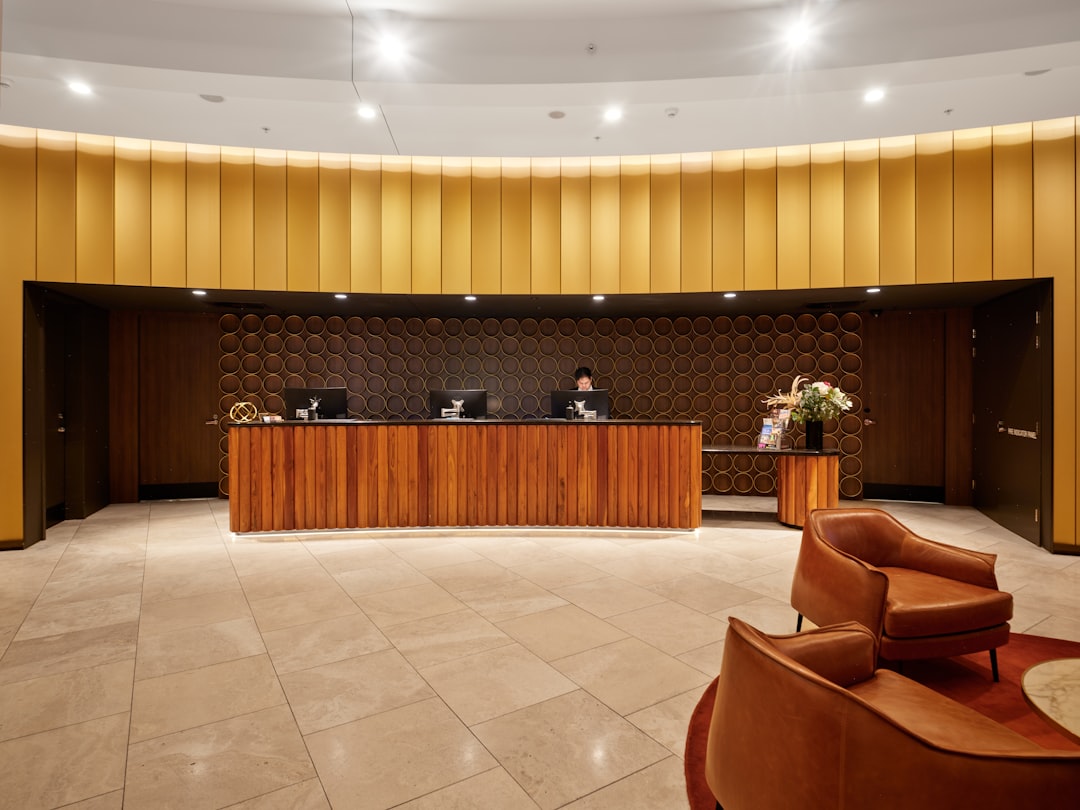
A useful question is: “Do you have any sellable rooms for tonight, including room types that may not be showing online?” That is more precise than asking whether the hotel has “any empty rooms.”
Why do hotels not simply slash the price of every empty room?
At first glance, it seems logical: an empty room earns nothing, so why not sell it cheaply? In practice, hotel pricing is more complicated.
Hotels use revenue-management systems to balance occupancy and room rate. Selling every remaining room at a very low price can create several problems:
- it can undercut guests who booked earlier;
- it can train customers to wait for last-minute discounts;
- it can reduce the perceived value of the property;
- it can leave no inventory for higher-paying late demand;
- it can make the hotel less profitable even if occupancy rises.
For that reason, an unsold room does not automatically become cheaper as midnight approaches. Sometimes rates fall; sometimes they stay the same; and on a high-demand night they can rise sharply.
Are empty hotel rooms cheaper at the last minute?
They can be, but last-minute booking is a strategy with risk. It works best when demand is weak and the hotel still has plenty of unsold inventory. It works badly when there is a concert, trade fair, holiday weekend, flight disruption or other event pushing demand up.
For a flexible solo traveler in a city with many hotels, waiting can occasionally produce a good same-day rate. For a family that needs a particular room type, parking, accessibility features or a central location, waiting can leave very few suitable choices.

When waiting can make sense
- You are traveling off-season.
- You are flexible about the neighborhood.
- You can accept several room types.
- There are many comparable hotels nearby.
- You are comfortable changing plans if prices rise.
When booking ahead is safer
- You are traveling during a major event or holiday.
- You need a family room or connecting rooms.
- You require an accessible room.
- You need to stay close to a specific airport, hospital, venue or train station.
- Your trip is non-refundable and you cannot easily change plans.
If you are deciding between advance booking and trying your luck on arrival, our guide on whether it is cheaper to book a hotel or walk in goes into that question in more detail.
What happens with no-shows?
A no-show is a guest who has a reservation but never arrives. From a traveler’s point of view, it may look as though the hotel has an empty room that could be sold to someone else. But the hotel normally has to honor the original booking until its own no-show procedure allows the room to be released.
The timing varies by property and booking conditions. A room reserved for a late-arriving guest cannot simply be handed to a walk-in at 9 p.m. because the bed looks empty.
Later in the evening, a confirmed cancellation or completed no-show process can sometimes return a room to inventory. That is one reason same-night availability occasionally appears unexpectedly.
Do hotels intentionally overbook?
Some hotels use controlled overbooking because historical data shows that a certain number of reservations will cancel or fail to arrive. The goal is to finish the night close to full occupancy rather than leave rooms empty.
This does not mean every hotel overbooks, and it does not mean a property can always predict perfectly. When more guests arrive than expected, the hotel may have to find alternatives according to its policies and local rules.
For travelers, the practical lesson is simple: if your arrival will be very late, make sure the hotel knows. A short message or call can help prevent misunderstandings about whether you are still coming.
Can you negotiate for an empty room?
You can ask, especially at independent hotels, but there is no universal rule that the front desk can discount a room just because it is late.
A better approach is polite and specific:
“I can book tonight and check in immediately. Is the rate you have online your best available rate, or do you have a direct rate for the same room?”
This gives the hotel a chance to offer a direct rate without demanding an unrealistic discount. Large chains may have less flexibility because rates are centrally controlled.
If you want to explore this further, see our guide to negotiating hotel rates.
Does booking directly help when availability is tight?
Booking direct does not magically create rooms, but it can make communication easier. The hotel can immediately see your reservation, understand special requirements and tell you whether other room categories are possible.
When a property is nearly full, that direct conversation can be useful if you are flexible. For example, the hotel may have a twin room when you searched for a double, or a higher room category at a different rate.
We also explain the wider pros and cons in our guide to booking directly with a hotel.
A practical same-day hotel checklist
If you need a room tonight and availability looks limited, use this order:
- Search the hotel’s own website. Check several room types, not just the cheapest one.
- Check one or two major booking sites. This helps you see whether availability differs by channel.
- Try changing the length of stay. A minimum-stay rule may be blocking a one-night search.
- Call the hotel. Ask whether any sellable rooms have just been released.
- Confirm the final price. Include taxes, resort fees, parking and any compulsory extras.
- Ask about the cancellation policy. Even a same-day reservation can have strict terms.
- Do not travel across town based on a verbal ‘maybe’. Get a confirmed reservation whenever possible.
Common myths about empty hotel rooms
“If the lights are off, the room must be available”
No. The room may be occupied by a guest who is out, out of service, reserved for someone arriving later, or simply not visible from outside.
“Hotels always discount rooms after 10 p.m.”
No. Some hotels may lower rates when demand is weak, but there is no universal late-night discount rule.
“If an OTA says sold out, the front desk definitely has secret rooms”
No. Sometimes direct inventory differs, but often the hotel really is sold out for the room type and dates you requested.
“An empty room costs the hotel nothing, so any price is better than zero”
Not necessarily. Cleaning, utilities, distribution fees, staffing and pricing strategy all affect the economics of selling a room.
So, do hotels have empty rooms?
Yes. Hotels can have physically empty rooms even when there is little or no bookable availability. The key is understanding whether a room is merely vacant or actually cleared, prepared and released for sale.
For travelers, the most useful strategy is not to assume an apparently quiet hotel is hiding bargains. Check the direct website, compare a couple of booking channels, change your dates or room type if you can, and call the hotel when the situation is unclear.
Last-minute availability can create opportunities, but it is never guaranteed. Flexibility gives you an advantage; major events, specific room needs and fixed travel plans make advance booking much safer.
Hotel inventory, cancellation rules and pricing policies vary by property and can change at any time. Always confirm the final availability and booking conditions directly before traveling to the hotel.