
Recommended for you
Navigating the fluctuating world of hospitality costs often feels like deciphering a complex code. Why does the exact same suite command a premium on one day and drop significantly in price the next? For budget-conscious explorers, corporate travelers, and meticulous vacation planners, understanding the mechanics behind weekday hotel rates is the ultimate travel hack.
This comprehensive guide examines whether booking a mid-week stay is truly the golden ticket to reducing expenses. We delve into the economic factors driving price volatility, analyze real-world scenarios, and provide actionable strategies to ensure you secure the best possible deal for your next trip.
The Economics Behind Weekday Hotel Rates
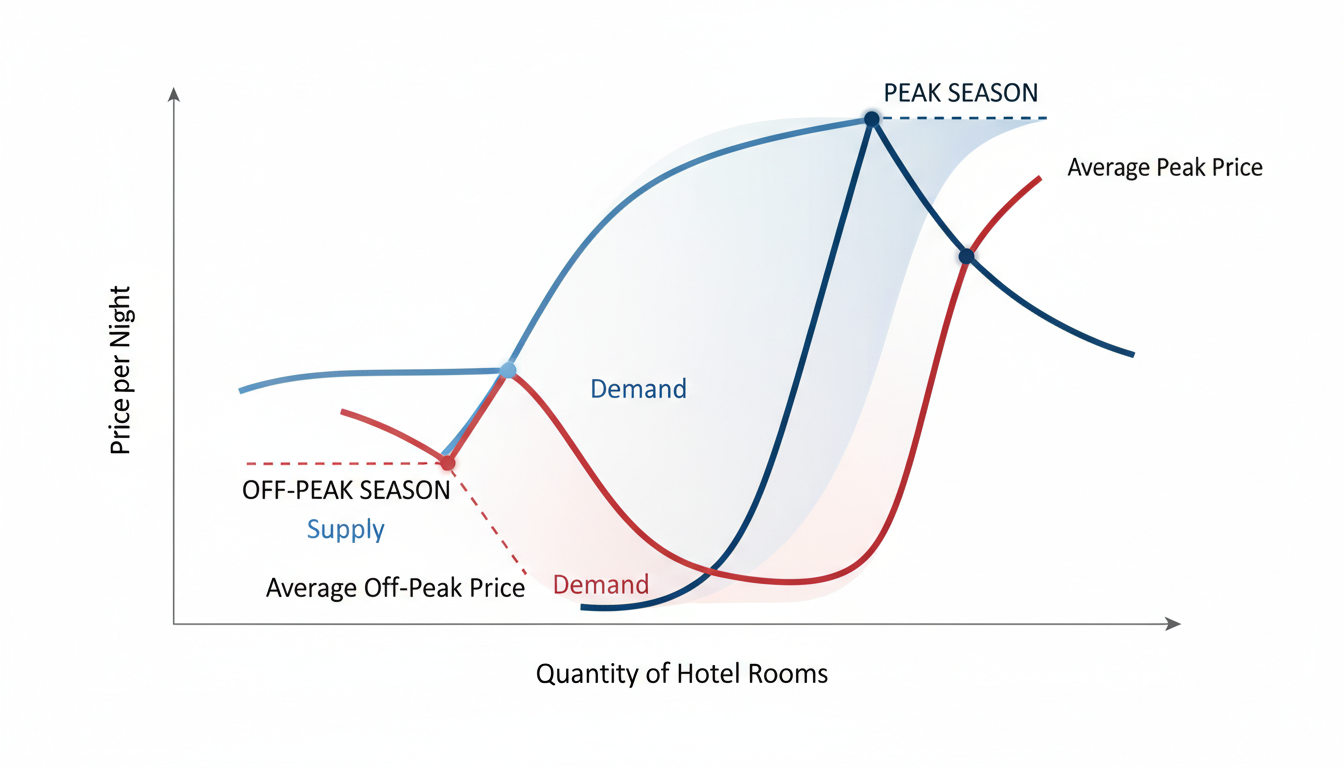
Hotel pricing is rarely arbitrary. It is governed by sophisticated revenue management systems that respond to a trifecta of variables: local demand, inventory supply, and temporal timing. Understanding how these elements interact is key to predicting when rates will fall.
Seasonal and Regional Demand
Hotels dynamically adjust their rate cards based on high and low seasons. For example, coastal destinations like Florida or Hawaii experience a surge in pricing during summer months when families travel. Conversely, these same locations may offer significantly lower rates during the winter off-season.
The inverse applies to ski resorts. Winter represents their peak demand, commanding premium prices, while summer months often see a plethora of discounts and vacancies. Aligning your travel schedule with a destination’s “shoulder season” is often the first step toward savings.
The Impact of Local Events
Major events—ranging from international music festivals to corporate conventions—can cause an immediate spike in room costs. A city hosting a major sporting event or a cultural celebration like Mardi Gras will see demand skyrocket, rendering the distinction between weekday and weekend pricing negligible.
However, secondary cities or towns just outside the event radius often remain unaffected, offering a budget-friendly alternative for travelers willing to commute.
Supply and Demand Dynamics
The foundational economic principle of supply and demand dictates the hotel industry. When inventory (rooms) exceeds demand (guests), prices drop to stimulate bookings. When occupancy is high, hotels capitalize by raising rates. This fluctuation is most palpable during major holidays or in cities with vibrant weekend social scenes.
Related Travel Strategies
Analyzing the Weekday vs. Weekend Divide
Now that we understand the driving factors, how do weekday hotel rates compare to weekend pricing in practice?
The Midweek Advantage
For the frugal traveler, weekdays often unlock substantial savings, particularly in urban centers. Business hotels cater primarily to corporate clients who travel Monday through Thursday. Consequently, these properties often lower their rates on Friday and Saturday to attract leisure travelers. However, in leisure-centric destinations, the dynamic flips.
Booking a stay in a financial district like Downtown Manhattan on a Monday might be pricey, but that same room could see a rate reduction over the weekend when the business crowd disperses.
The Weekend Premium
Conversely, weekend rates surge in tourism hotspots. Las Vegas and Miami are prime examples where Friday and Saturday nights command a significant premium due to the influx of leisure tourists. In these locations, visiting mid-week is the superior strategy for cost savings.
Real-World Case Studies
To illustrate these pricing discrepancies, let’s examine specific market behaviors.

Las Vegas: The Leisure Giant
Las Vegas exhibits some of the most dramatic pricing volatility. Midweek stays (Monday through Thursday) are drastically cheaper as the weekend party crowd departs. It is not uncommon for rates to triple on Friday nights compared to Tuesday nights.
Chicago: The Business Hub
In contrast, a luxury business hotel in Chicago often sees rates dip during the weekend. Their primary clientele—consultants and executives—return home for the weekend, leaving high-end inventory available at reduced rates for leisure guests.
Strategies for Securing the Best Rates
Armed with knowledge about weekday hotel rates, you can employ specific strategies to maximize value.
- Prioritize Flexibility: If your schedule allows, shifting your trip to include midweek dates can result in immediate savings.
- Strategic Advance Booking: While last-minute deals exist, booking 3-4 weeks out is generally the sweet spot for securing competitive weekday prices.
- Leverage Comparison Tools: Utilize aggregators to visualize the price disparity between weekdays and weekends for your specific dates.
- Explore Alternative Accommodations: Boutique guesthouses and vacation rentals often follow different pricing algorithms than major hotel chains.
- Loyalty Advantages: Joining hotel reward programs can unlock exclusive rates and perks, such as complimentary weekday upgrades.
Final Thoughts on Timing Your Booking
Ultimately, whether you find lower weekday hotel rates depends largely on your destination’s profile—business hub or leisure paradise. By understanding the local demand drivers and remaining flexible with your itinerary, you can navigate the complex pricing landscape to find affordable luxury. Whether you are traveling for work or pleasure, strategic timing is your most valuable asset.