A Kenya safari is easier to plan when you choose the right circuit rather than trying to visit every famous park. Wildlife, transfer time, season, budget and whether you prefer road or fly-in travel should determine the itinerary.
Kenya safari regions at a glance
| Region | Strongest reason to include it | Useful pairing |
|---|---|---|
| Maasai Mara | Classic savannah wildlife | Nairobi or a fly-in safari |
| Amboseli | Elephants and Kilimanjaro views | Nairobi / southern circuit |
| Tsavo | Large landscapes and coast combination | Mombasa or Diani extension |
| Naivasha / Nakuru | Rift Valley scenery and birdlife | Break between longer road sectors |
Maasai Mara
The Maasai Mara is one of Kenya’s best-known safari areas and a natural choice for first-time visitors focused on classic savannah wildlife.
Amboseli
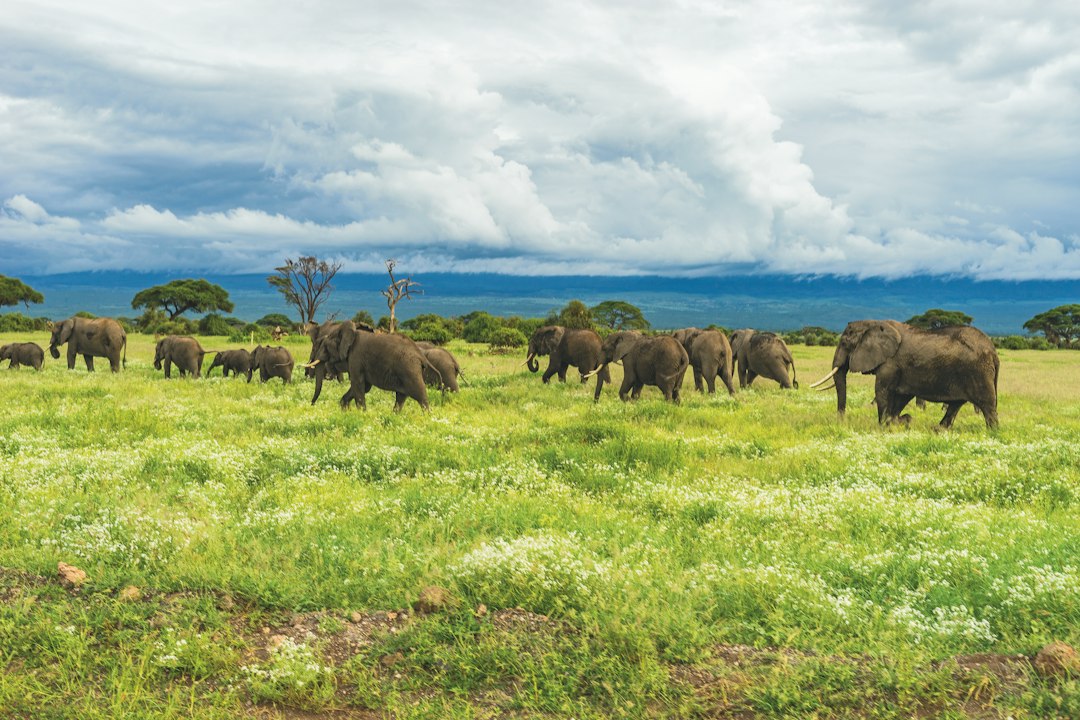
Amboseli is especially associated with elephant viewing and views toward Mount Kilimanjaro. It combines well with Nairobi or a southern circuit.
Tsavo East and Tsavo West
Tsavo offers huge landscapes and can work well for travelers combining safari with the Kenyan coast.
Naivasha and Nakuru
The Rift Valley can add lake scenery and birdlife while breaking up longer overland journeys.
How to choose the right safari circuit
- Short first safari: concentrate on one major reserve and spend more time on game drives than transfers.
- Nairobi + safari: Amboseli or Rift Valley combinations can reduce unnecessary backtracking.
- Safari + Indian Ocean coast: Tsavo can fit naturally into an overland route toward the coast.
- Wildlife-first trip: use your extra days for different habitats rather than collecting park names.
How many parks should you combine?
- 4–5 days: focus on one major safari region or two nearby areas.
- 7–8 days: combine two or three parks with realistic transfer time.
- 10+ days: add more varied regions or a coast extension.
A realistic 7-day safari structure
For a first trip, a balanced week usually works better with two or three safari bases than four or five. For example, you might spend the first night near Nairobi, use two or three nights in one major wildlife area, move to a second region with a different landscape and keep the final night close enough to your departure point to avoid a stressful same-day transfer.
The exact route should depend on your arrival airport, lodge locations and whether transfers are by road or air. Ask the operator to show transfer times clearly before you pay.
Road safari or fly-in?
Road travel is usually cheaper and lets you see more of the country, but long transfers can reduce game-viewing time. Fly-in safaris cost more but can make short trips more efficient.
What to compare in a safari quote
- park and conservation fees;
- private vehicle versus shared vehicle;
- maximum passengers per vehicle;
- number and length of game drives;
- meal plan and drinking water;
- airport, road or domestic-flight transfers;
- whether domestic flights and baggage limits are included;
- single-room supplements, tips and optional activities;
- cancellation terms and payment schedule.
Two safari quotes with the same number of nights can be very different once vehicle sharing, park fees and transfer time are included. Compare the full itinerary, not only the headline price.
Season matters, but Kenya is not a one-season destination
Wildlife can be seen year-round, while migration patterns, rainfall and vegetation change the experience. Do not choose dates solely from one famous migration headline. Ask what the chosen region is usually like during your specific month and how that affects roads, visibility and lodge pricing.
Use licensed, reputable operators
Compare vehicles, group size, guide experience, park fees, accommodation standard and what is actually included. Extremely cheap offers can hide long drives, crowded vehicles or excluded costs.
Before you book
Keep a buffer around international flights and avoid planning a long road transfer immediately before departure. For general preparation, use our Travel Planning Guide, Travel Insurance Comparison and Packing Light Guide.
Official planning resources
Kenya Tourism Board’s Magical Kenya site lists major parks and reserves and provides destination information for different regions. Check current park access, fees and travel conditions with official sources and your operator before paying.
Ask how much time is actually spent on game drives
A seven-day itinerary can include far less wildlife time than expected if several days are dominated by road transfers. Ask the operator for approximate departure, arrival and game-drive times rather than judging the trip only by the number of parks listed.
Shared versus private safari vehicle
A shared vehicle can reduce cost, but confirm the maximum number of passengers and seating arrangement. A private vehicle costs more but gives the group more control over departure times, stops and how long to remain at a sighting.
Domestic flights: check baggage rules before packing
Small safari aircraft can have stricter baggage weight and bag-shape limits than an international flight. If the itinerary includes fly-in camps, request the exact baggage allowance before choosing luggage.
Final questions for an operator
- Which park/conservancy fees are included?
- Is the vehicle private or shared?
- How many passengers can it carry?
- Are airport and lodge transfers included?
- Which meals and drinking water are included?
- What happens if a domestic flight or road transfer changes?
- What cancellation terms apply to each component?
Last reviewed: October 2026. Park fees, access and travel conditions can change; verify current details before booking.