Ontario is large enough that trying to see everything in one trip usually creates more driving than travel. A first visit works better when you choose a compact route around southern and central Ontario, then combine city time with one or two major natural areas.
This guide focuses on a practical first-time route linking Toronto, Niagara Falls, Ottawa and Algonquin Provincial Park. It is designed for roughly 7–10 days, although the same framework can be shortened or expanded.
Ontario trip at a glance
| Stop | Why go | Suggested time |
|---|---|---|
| Toronto | Neighbourhoods, food, museums, waterfront, skyline | 2–3 nights |
| Niagara Falls | Horseshoe Falls, Niagara River, attractions and viewpoints | 1–2 nights |
| Algonquin Provincial Park | Lakes, forest, hiking, paddling and wildlife | 1–2 nights |
| Ottawa | Parliament, national museums, Rideau Canal and neighbourhoods | 2 nights |
1. Start in Toronto
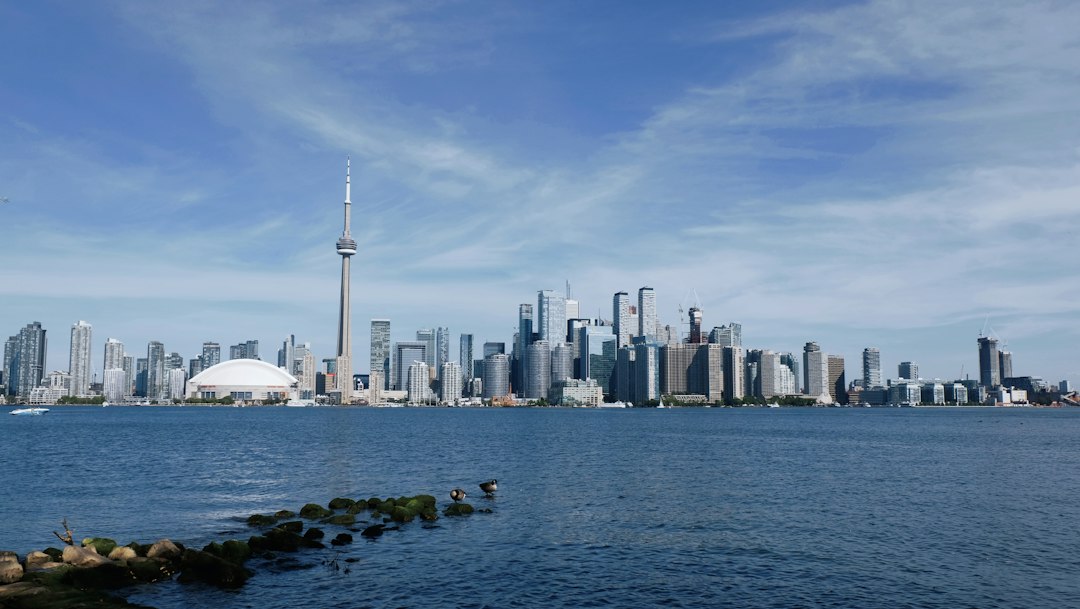
Toronto is the easiest entry point for many international visitors and gives the trip a strong urban start. The mistake is trying to reduce the city to the CN Tower and one afternoon downtown.
Give Toronto at least two full days if possible. One day can focus on the central waterfront, CN Tower area, St. Lawrence Market and Old Town. A second day can be built around neighbourhoods such as Kensington Market, the Distillery District, Queen West or the Toronto Islands, depending on season and interests.
Destination Toronto highlights the waterfront as an all-season area with Lake Ontario views, paths, cultural venues and ferry access to the Toronto Islands. The CN Tower remains the city’s most recognizable landmark and rises 553 metres above the skyline. Check the official Destination Toronto website for current attractions, events and transport information.
To connect these stops without unnecessary backtracking, use our multi-city route planning guide to compare travel days, overnight bases and arrival airports.
2. Add Niagara Falls without rushing it
Niagara Falls can be visited as a day trip from Toronto, but staying one night usually produces a calmer experience. It lets you see the falls at different times of day and leaves room for more than a quick photograph.
On the Canadian side, Niagara Parks manages 56 kilometres of parkland along the Niagara River corridor. Current attractions include Journey Behind the Falls, the Niagara Parks Power Station and Tunnel, White Water Walk, Whirlpool Aero Car and seasonal boat experiences.
The falls themselves are always available to view, while individual attractions have their own operating schedules. Use the official Niagara Parks website before visiting rather than relying on an old timetable or bundled-tour description.
What deserves priority at Niagara?
- Horseshoe Falls viewpoints: the essential first stop.
- Journey Behind the Falls: useful if you want a closer perspective of the Canadian Horseshoe Falls.
- Niagara River Parkway: worth exploring if you have a car and want more than the central falls area.
- Niagara-on-the-Lake: a possible extension for a slower day, especially for visitors interested in the region rather than only the waterfall.
3. Use Algonquin for the nature section of the trip
Ontario’s cities are easy to combine by rail or road, but Algonquin changes the trip completely. This is where having a car becomes much more useful.
Algonquin Provincial Park supports day use, camping, backcountry travel and roofed accommodation. Operating dates vary by campground, access point and facility, so it is important to check the current park page before driving in. In 2026, for example, different facilities have different opening and closing periods rather than one single park-wide season.
Use the official Ontario Parks page for Algonquin for reservations, alerts, operating dates and access information.
What to do if you only have one day
Do not attempt a backcountry-style experience on a rushed schedule. Choose one accessible trail or viewpoint, stop at the visitor facilities if open, and leave enough daylight for the drive. Wildlife sightings are possible, but they should never be treated as guaranteed.
What changes with two nights
With more time, you can add a longer hike, canoe or kayak activity where appropriate, and experience the park at a much slower pace. This is especially valuable in autumn, when demand can also be high because of fall colours.
4. Finish in Ottawa
Ottawa provides a very different city experience from Toronto. It is smaller in feel, strongly shaped by national institutions and easier to organize around museums, Parliament Hill, the Rideau Canal and central neighbourhoods.
Ottawa Tourism describes the capital as a year-round destination at the meeting point of major waterways, with national museums, festivals and easy access to nature. Seven of Canada’s nine national museums are in Ottawa, which makes it particularly strong for visitors interested in history, art and national culture.
For current events, museum ideas and practical transport information, use the official Ottawa Tourism website.
A practical two-day Ottawa plan
Day 1: Parliament Hill area, ByWard Market, Rideau Canal and one national museum. Day 2: choose another museum or gallery, then spend time in a neighbourhood or outdoor area rather than repeating only central government sights.
A realistic 8-day Ontario itinerary
| Day | Plan |
|---|---|
| 1 | Arrive Toronto, waterfront and easy central walk |
| 2 | Toronto landmarks and Old Town |
| 3 | Toronto neighbourhoods or Islands, depending on season |
| 4 | Travel to Niagara Falls, falls and evening viewpoints |
| 5 | Niagara morning, then travel toward Algonquin region |
| 6 | Algonquin Provincial Park |
| 7 | Travel to Ottawa, central sights |
| 8 | Ottawa museums and neighbourhoods |
If you have 10 days, add one extra night to Toronto and one to Algonquin or Niagara. If you have only six days, dropping one destination is usually better than compressing every stop.
Car, train or a combination?
| Trip style | Best fit |
|---|---|
| Toronto + Ottawa only | Train/public transport can work very well |
| Toronto + Niagara | Car, organized transport or rail/bus depending on schedule |
| Algonquin included | A car is normally the most practical option |
| Full 7–10 day loop | Rental car gives the most flexibility |
Destination Ontario publishes a current Toronto–Ottawa round-trip guide that suggests a 5–11 day route with optional stops such as Kingston, Prince Edward County, Gananoque and the Rideau corridor. It is a useful official resource if you want to expand this itinerary: Toronto to Ottawa round trip guide.
When is the best time to visit Ontario?
Late spring: good for cities and increasingly comfortable outdoor travel, but check park and seasonal attraction opening dates.
Summer: the simplest season for combining cities, lakes and outdoor activities, but also one of the busiest periods.
Early autumn: especially attractive for forest scenery and cooler city temperatures, although fall-colour weekends can be busy in popular natural areas.
Winter: can be excellent for Toronto and Ottawa if you enjoy cold-weather travel, but it creates a completely different itinerary. Do not treat a summer Algonquin plan as interchangeable with winter conditions.
Our Off-Season Travel guide explains how to compare lower prices with weather, closures and reduced transport.
What should you budget for?
Ontario is easier to budget when you separate fixed and variable costs. Flights or long-distance transport, accommodation and rental car costs are the main fixed items. Parking, attraction tickets, food and fuel can then make two otherwise similar itineraries differ substantially.
In Toronto and Ottawa, staying near useful public transport can reduce parking and driving. At Niagara, paid attractions can add up quickly, so decide which experiences matter before buying a multi-attraction pass. For Algonquin, include park permits, accommodation or camping, equipment rental where relevant and fuel.
Common Ontario planning mistakes
- Trying to combine Toronto, Ottawa, Niagara and northern Ontario in too few days.
- Assuming every natural attraction is easy to reach without a car.
- Building the route from hotel deals instead of geography.
- Ignoring event weekends that can affect hotel prices.
- Using outdated park opening dates or attraction timetables.
- Spending every Toronto day downtown and missing its neighbourhoods.
- Treating Niagara Falls as only a 30-minute photo stop.
Is Ontario a good first trip to Canada?
For many travelers, yes. Ontario can combine a large multicultural city, one of Canada’s best-known natural landmarks, national museums in the capital and accessible wilderness in the same trip. The important part is accepting the distances and leaving enough time between stops.
For a broader preparation workflow, use our Travel Planning Guide. If you are still deciding between destinations, see How to Choose a Vacation Destination.
Last reviewed: September 2026. Attraction schedules, park operating dates, transport and prices can change; verify time-sensitive details with the official sources linked above before booking.