Recommended for you
Master Travel Photography Tips: Capturing Memories Like a Pro
Travel photography is far more than simply snapping pictures; it is the art of capturing the essence of your journeys and preserving memories that endure. Whether you are wandering through bustling antique markets, hiking majestic mountain trails, or indulging in exotic local cuisine, the ability to document these moments elevates the entire travel experience. Each photo becomes a narrative—a piece of art that encapsulates your adventure in a single frame. In this guide, we will explore essential travel photography tips to help you shoot like a seasoned professional.
In the era of social media, the significance of visual storytelling has skyrocketed. Not only does it allow you to hold onto your personal history, but it also enables you to share your unique perspective with friends, family, and a global audience. Through platforms like Hispaads, travelers can access comprehensive resources to refine their skills and make the most of their photographic adventures.
Understanding the Art of Travel Photography
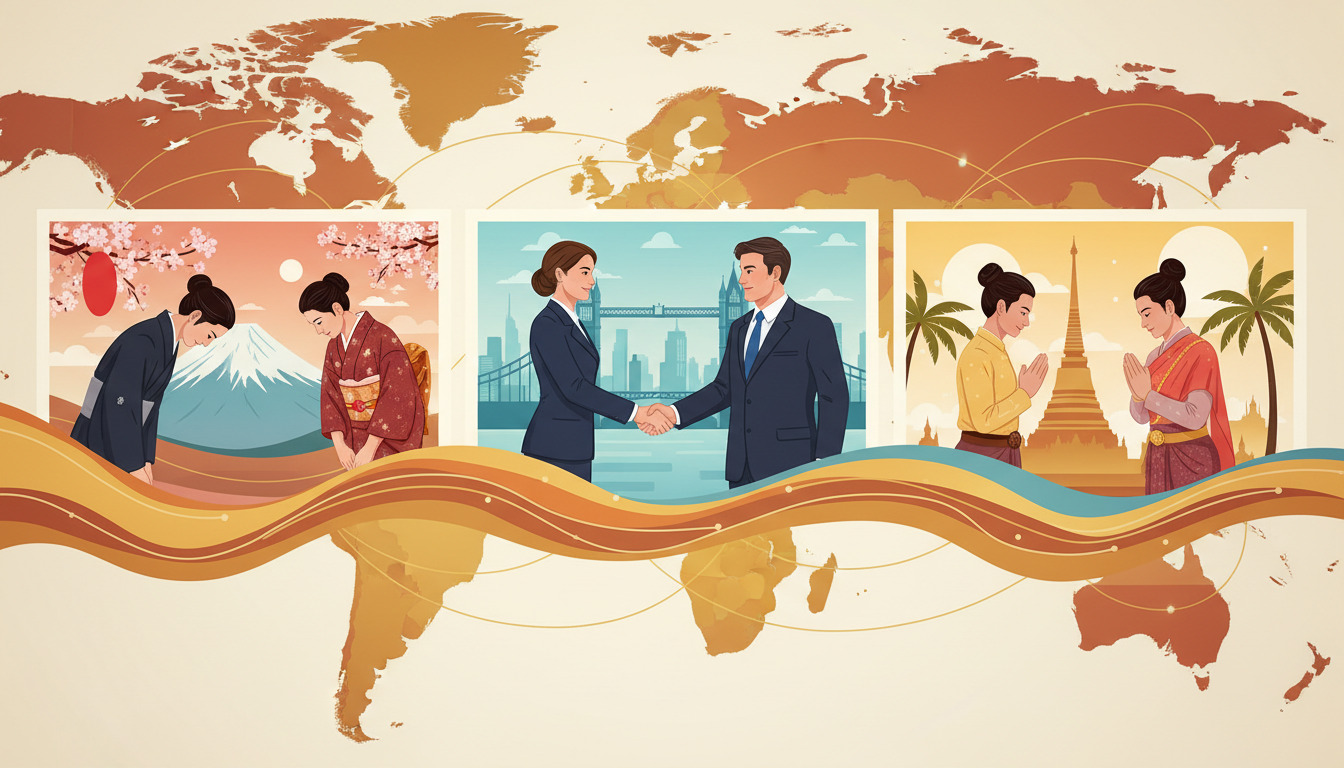
Travel photography is a broad genre that encompasses various styles, documenting everything from sweeping landscapes and vibrant local cultures to intricate food shots and candid portraits. It is about telling the story of your journey through visuals. This form of artistry holds significant weight in the tourism industry, as it inspires others to explore new destinations. It connects adventure travel with cultural immersion, allowing photographers to engage deeply with the places they visit.
The benefits are manifold. Primarily, it preserves memories for personal reflection. Each photograph serves as a tactile reminder of the places you have visited and the people you have met. Beyond personal enjoyment, high-quality images allow you to connect with a broader audience via blogs or exhibitions, fostering a community of like-minded explorers.
Essential Gear for the Traveling Photographer
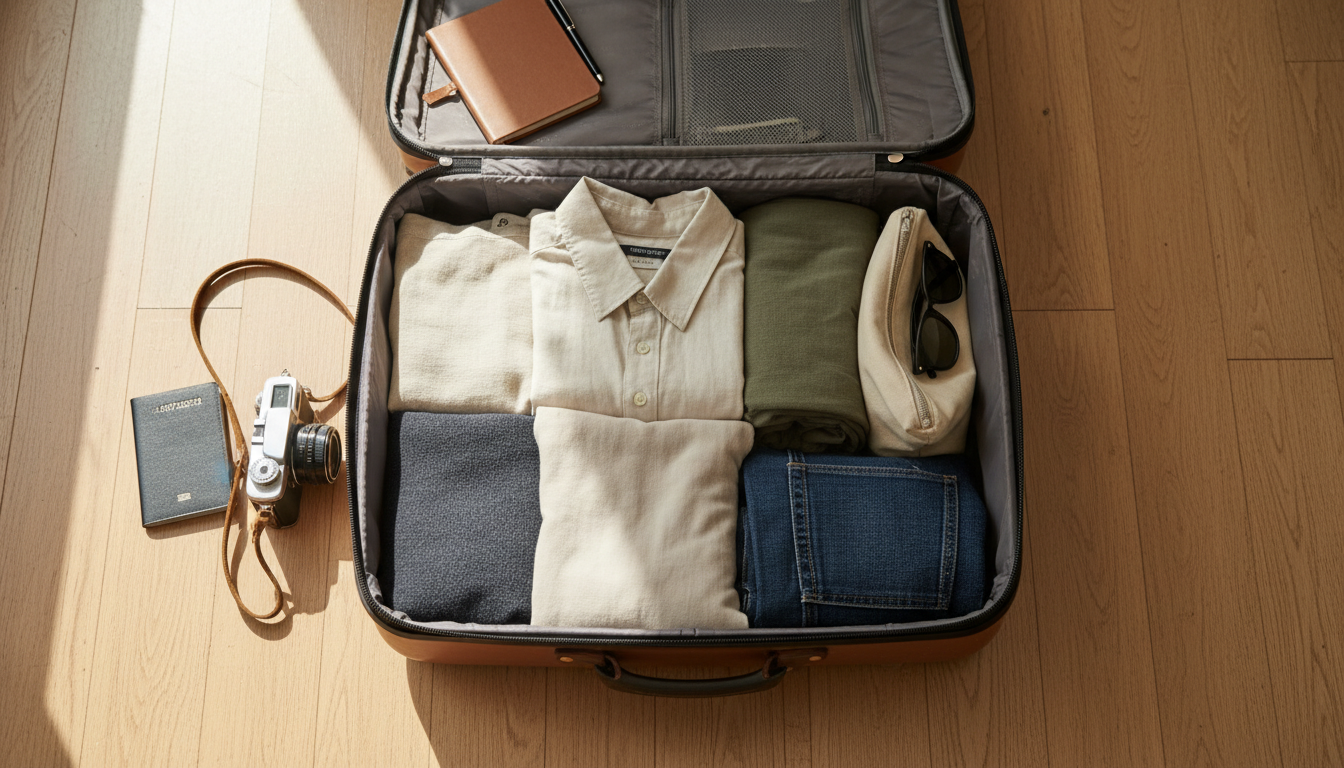
When it comes to executing the best travel photography tips, having the right gear is foundational. However, the "right" gear depends largely on your style and budget. For minimalist travelers, modern smartphones with computational photography capabilities are often sufficient. If you are seeking higher resolution and control, consider mirrorless cameras or compact DSLRs that offer excellent image quality without the heavy bulk of traditional professional rigs.
Regardless of your choice, packing light is crucial. A versatile zoom lens (such as a 24-70mm), a lightweight yet sturdy tripod, and ample spare batteries are indispensable. Remember, the best camera is the one you have with you when the moment strikes.
Composition, Lighting, and Timing
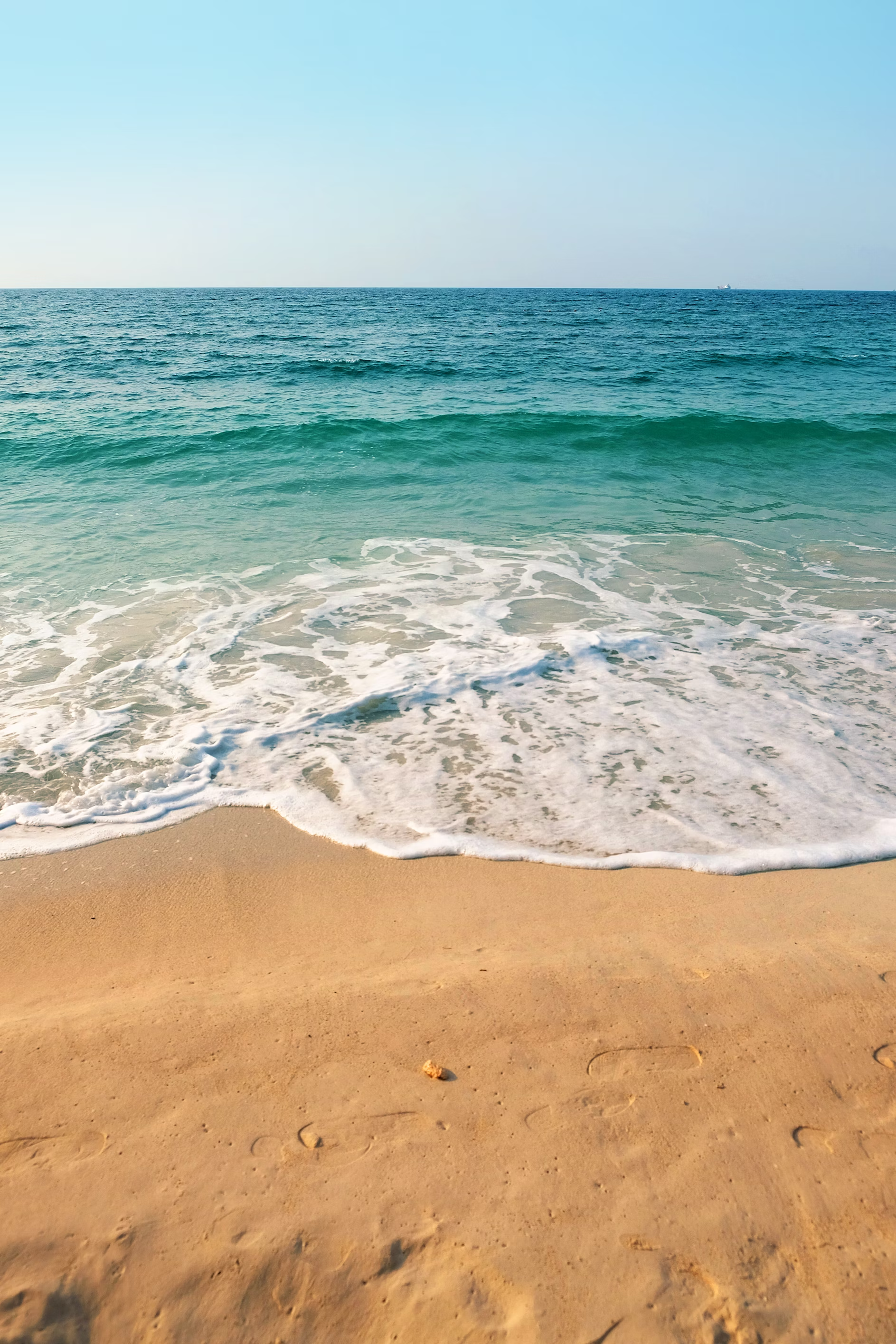
Composition is the language of photography. Mastering basic rules, such as the Rule of Thirds, can dramatically improve your output. This technique involves dividing your frame into a grid and placing points of interest along the intersecting lines. Leading lines—such as roads, fences, or shorelines—can guide the viewer’s eye through the photograph, creating depth and perspective.
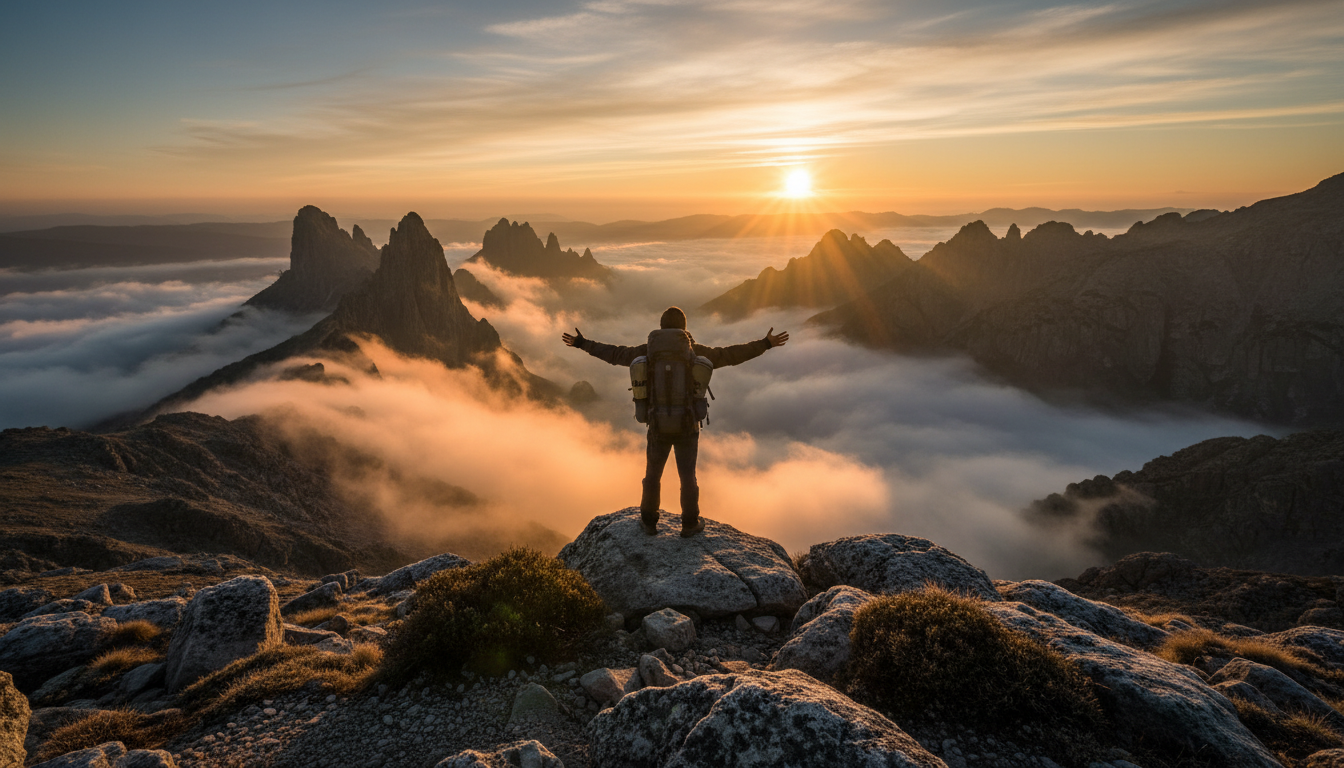
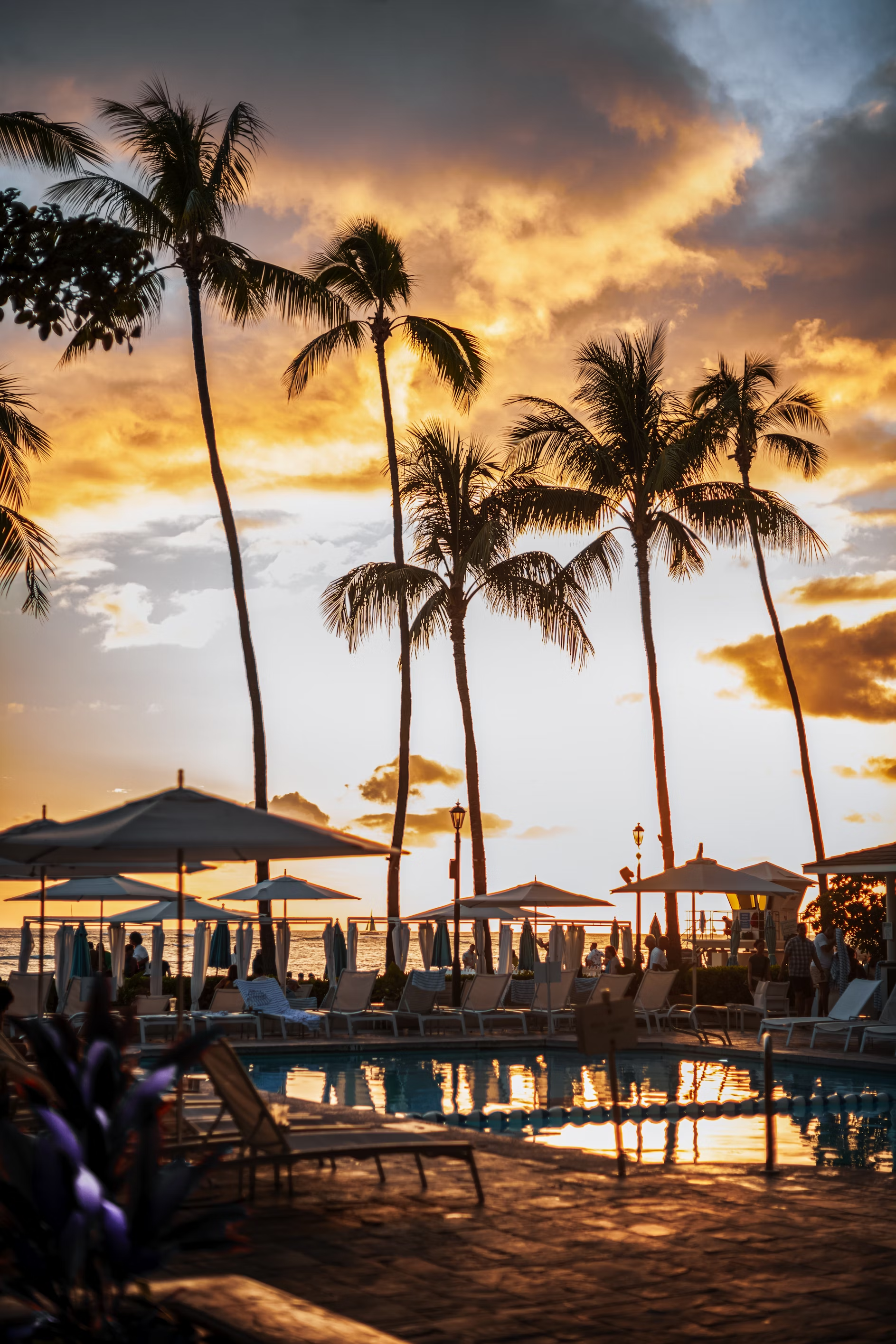
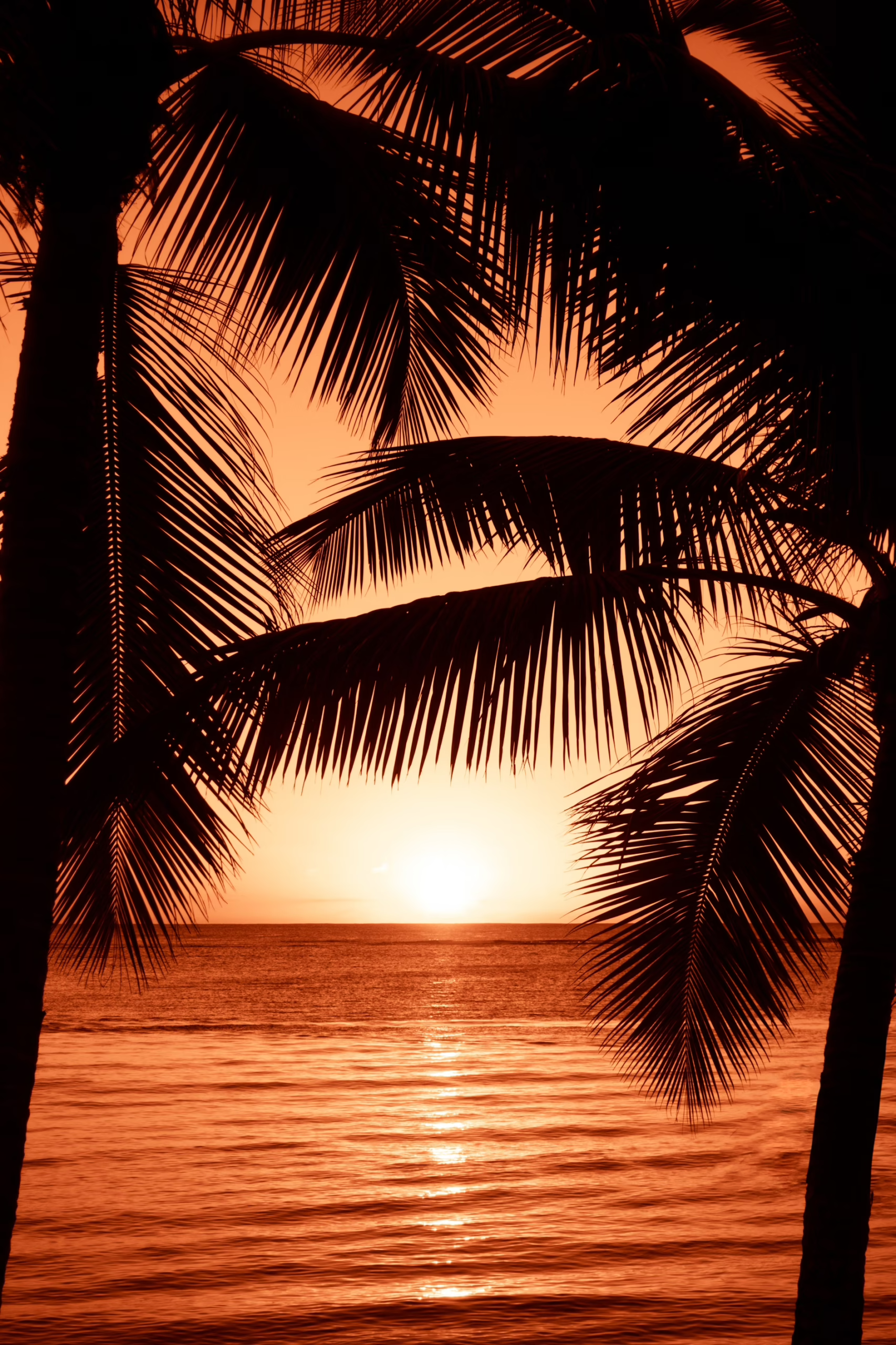
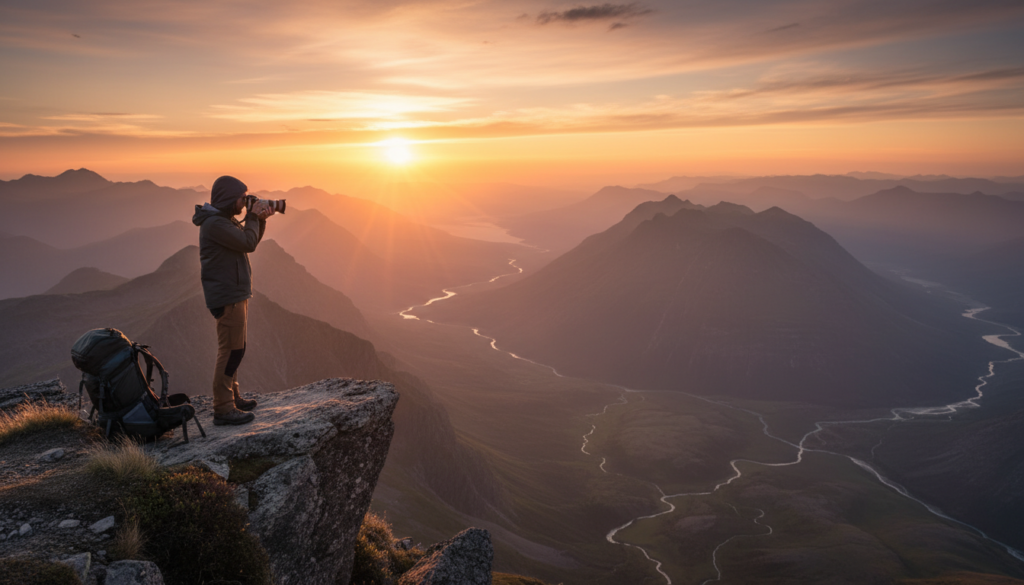
Equally important is lighting. The holy grail for outdoor photography is the "Golden Hour"—the brief window just after sunrise and just before sunset. During these times, the soft, diffused light creates stunning images with rich colors and long shadows. Avoid using on-camera flash whenever possible; instead, position your subjects in natural light to highlight their features organically.
Related Read
Looking to document your trips in words as well as images? Check out our guide on Travel Journaling: Documenting Your Adventures to create a complete archive of your experiences.
Capturing the Elements of Travel
To create a diverse portfolio, you must look beyond the standard tourist landmarks. Here is how to approach different subjects:
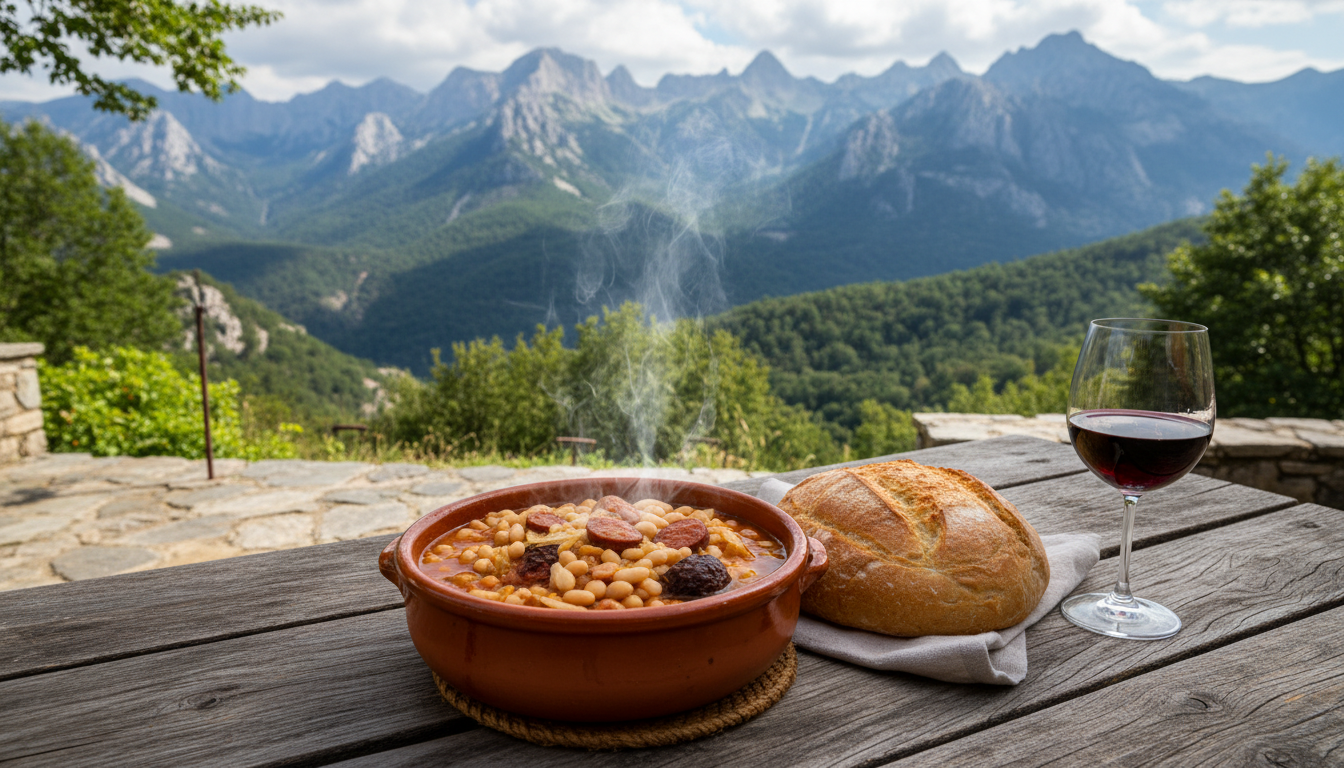
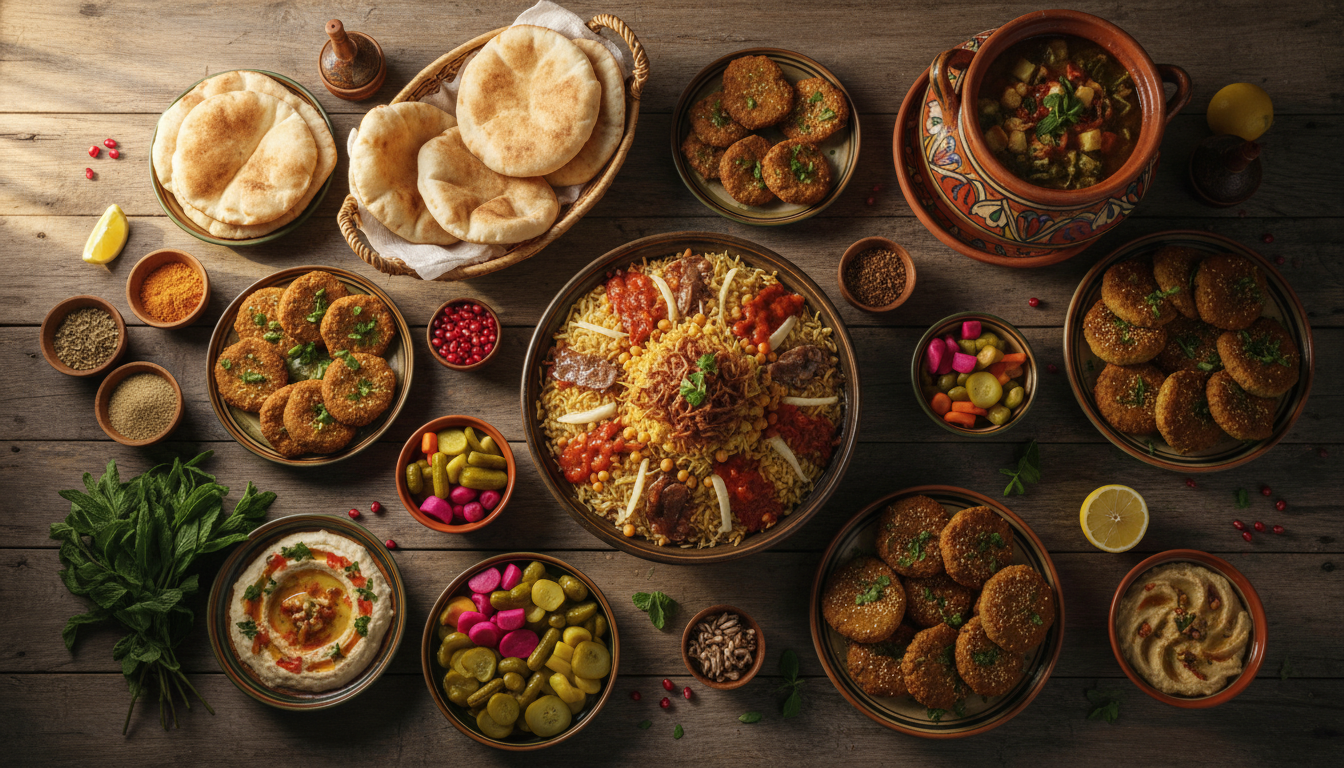
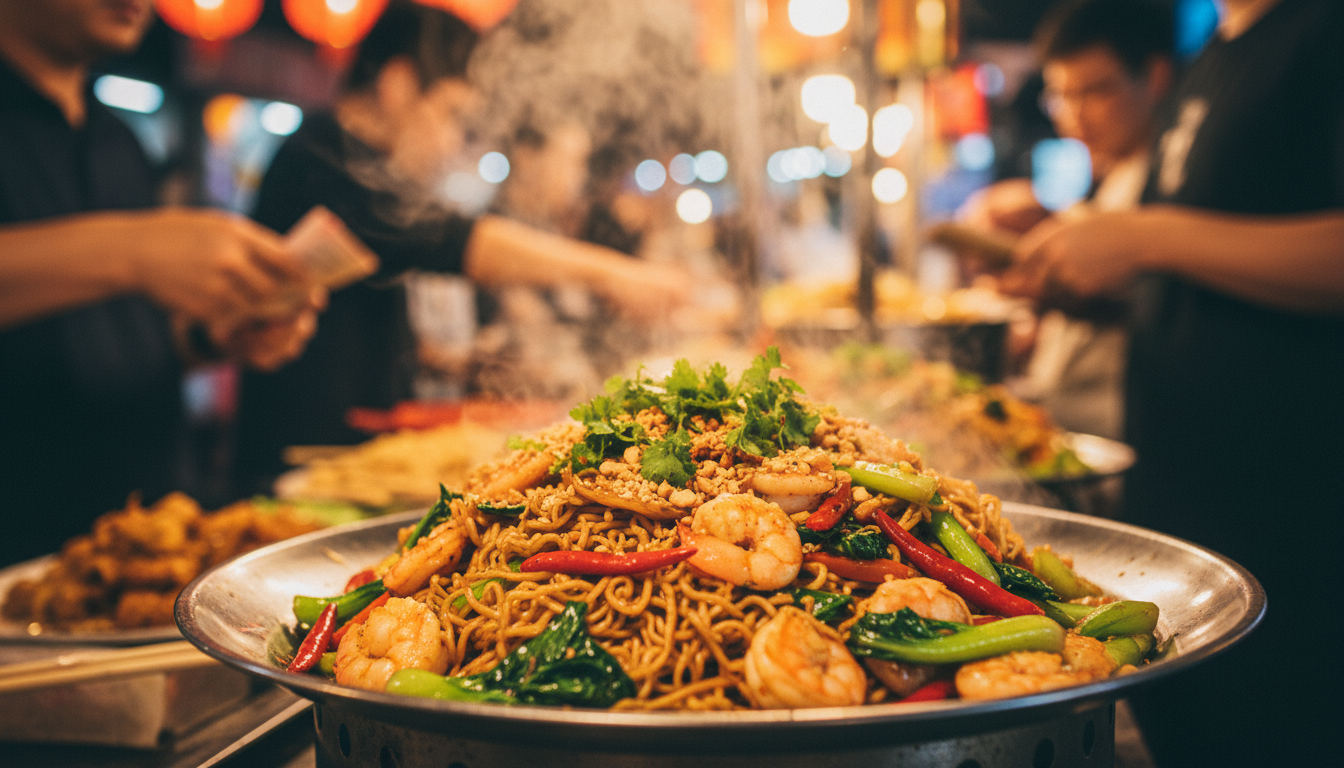
- Local Cuisine: Food is integral to culture. To make dishes look appetizing, focus on natural lighting and clean backgrounds. Overhead "flat-lay" shots work well for table spreads, while 45-degree angles are great for capturing the texture of a specific dish.
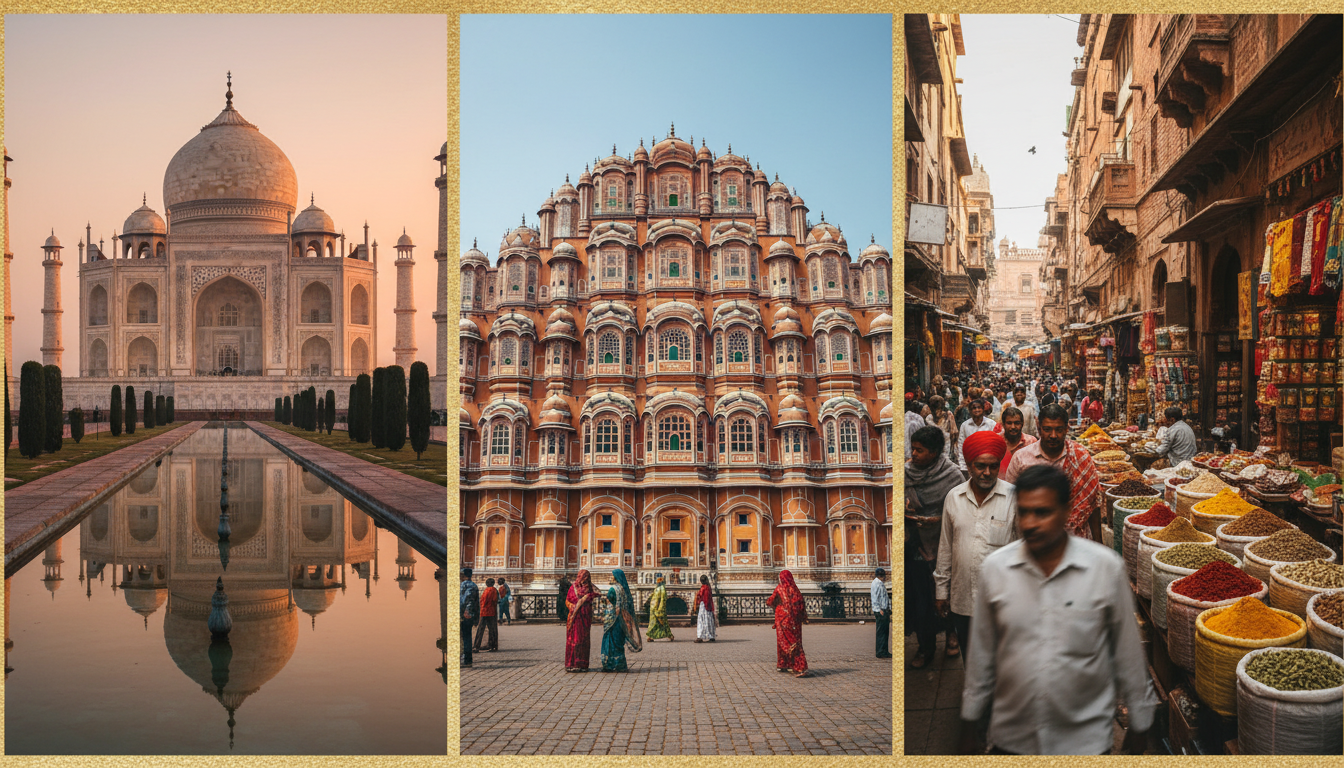
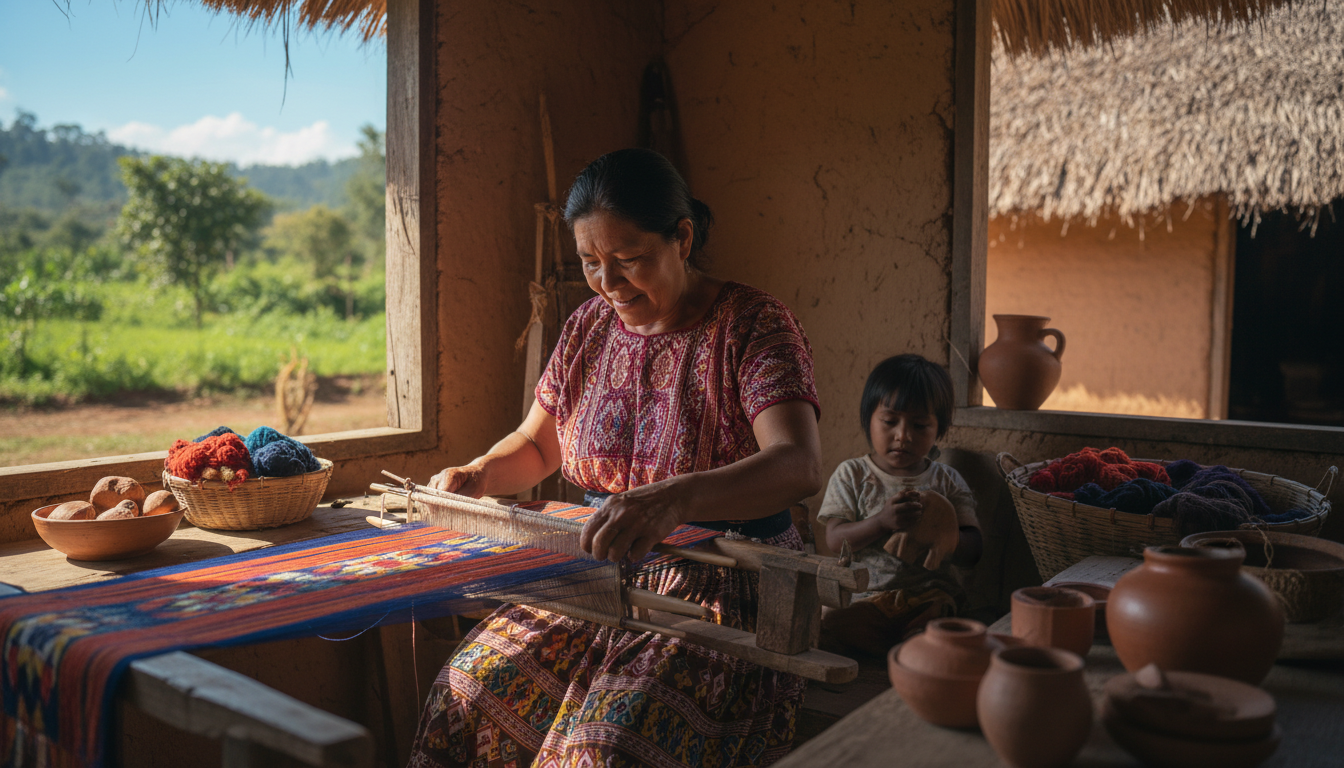
- Cultural Experiences: When documenting traditions, respect is paramount. Always ask for permission before photographing locals. deeply immersing yourself in the event often leads to more genuine, emotive shots than standing on the periphery with a zoom lens.
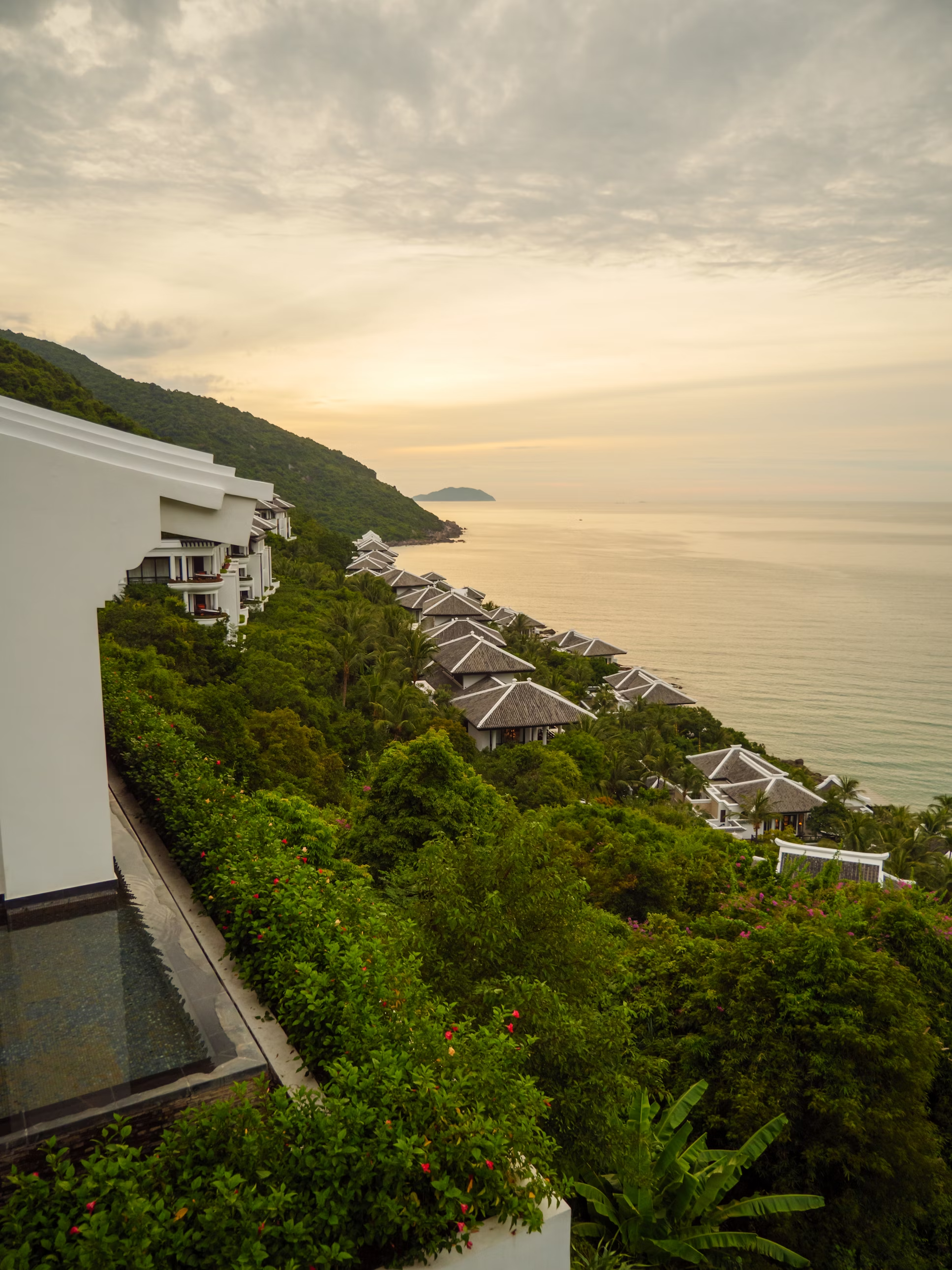
- Landscapes: Use wide-angle lenses to capture the vastness of nature, but don’t forget the details. Sometimes the texture of a rock or a specific flower tells a stronger story than the entire mountain range.
Editing and Sharing Your Work
Post-processing is the final step in the digital photography workflow. You do not need expensive software to start; apps like Adobe Lightroom Mobile or Snapseed offer powerful tools to adjust exposure, contrast, and color balance. The goal of editing should be to enhance the authenticity of the scene, not to create a synthetic reality.
Once your images are polished, sharing them effectively is key. Social media platforms like Instagram are excellent for real-time engagement, while a personal blog or portfolio site allows for a more curated presentation of your work. Combining your visuals with written narratives provides context and deeper meaning to your audience.
Conclusion
Capturing memories through photography is an enriching pursuit that deepens your connection to the world. By applying these travel photography tips regarding gear, composition, and lighting, you can transform snapshots into lasting works of art. Remember, the most important element is your unique perspective—focus on the stories you want to tell, and the technical skills will follow.