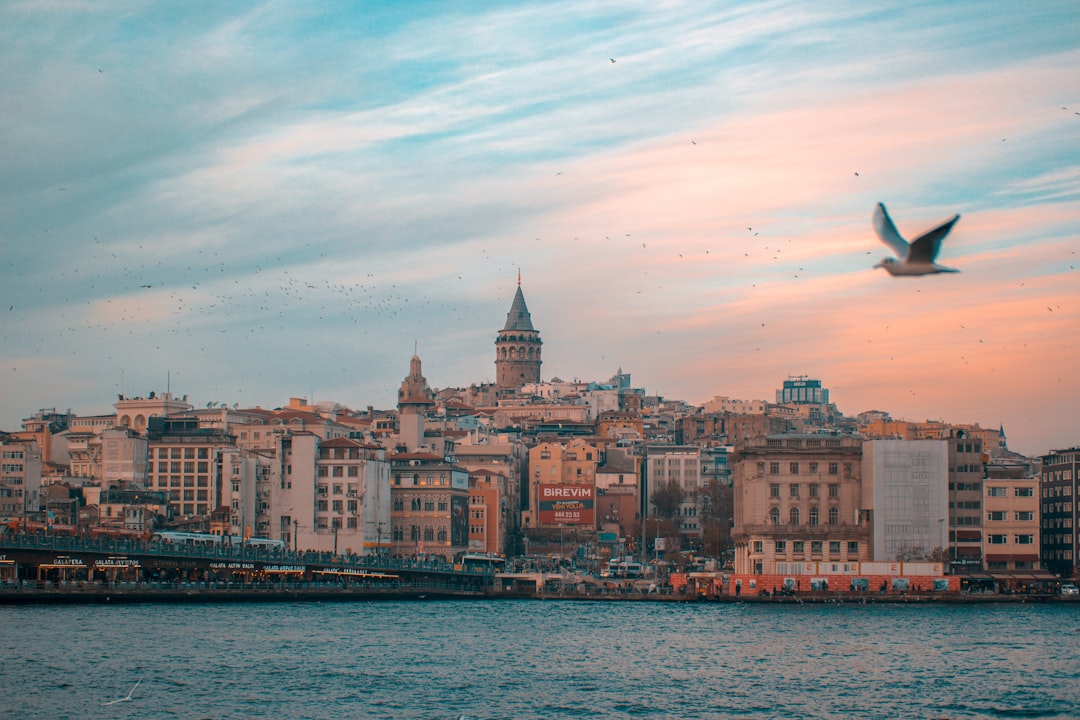
Turkey is one of those countries that can feel like several trips in one. In a single week you can move from the ferries and mosque-lined skyline of Istanbul to Cappadocia’s volcanic valleys, then finish beside the Aegean or Mediterranean. The challenge is not finding things to do; it is deciding what to leave out.
This Turkey travel guide is built for a first trip of about 7–10 days. It focuses on a route that is realistic, easy to understand and varied enough to show why Türkiye works so well as a cultural, food and landscape destination.
Quick note on the name: the country’s official international name is Türkiye. Many travelers still search for “Turkey,” so this guide uses both naturally.
Turkey trip at a glance
| Stop | Why go | Suggested time |
|---|---|---|
| Istanbul | History, food, Bosphorus, neighborhoods, bazaars | 3 nights |
| Cappadocia | Valleys, cave towns, viewpoints, balloon flights | 2 nights |
| Aegean or Mediterranean coast | Sea, archaeological sites, slower pace | 2–4 nights |
If you have fewer than seven days, do not try to force all three into the same trip. Istanbul plus Cappadocia is usually a better six-day journey than a rushed loop with one-night stops.
1. Start with Istanbul, but give it more than one day
Istanbul is not a city that rewards a checklist mentality. The famous sights matter, but the city becomes much more memorable once you also spend time on ferries, in residential neighborhoods and around local food markets.
For a first visit, three nights is a sensible minimum. One day can focus on the Historic Peninsula: Hagia Sophia, the Blue Mosque area, the Basilica Cistern and the streets around Sultanahmet. A second day can include the Grand Bazaar, Spice Bazaar, Galata and Karaköy. On the third day, cross to the Asian side or take a Bosphorus ferry and give yourself time without a strict schedule.
The official GoTürkiye Istanbul guide is useful for current cultural ideas and destination information.
Where should you stay in Istanbul?
Sultanahmet is convenient for major historic sights, especially on a short first visit. Karaköy and Galata work well for restaurants, nightlife and access across the Golden Horn. Kadıköy, on the Asian side, is a strong choice if you prefer a more lived-in neighborhood atmosphere and do not mind using ferries or metro connections.
Before booking, compare location rather than just room price. A slightly cheaper hotel can become poor value if it adds long transfers every morning. Our guide to finding cheap hotels without sacrificing location explains a practical way to compare total value, not only the headline rate.
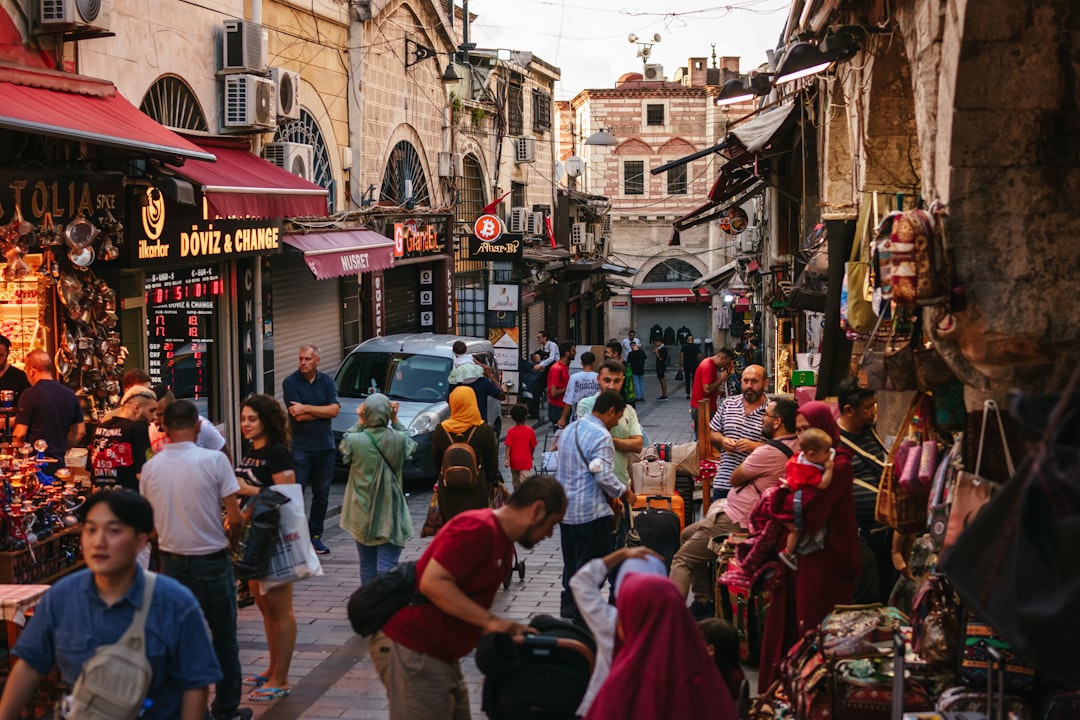
Using the Grand Bazaar without turning it into a shopping mission
The Grand Bazaar is more enjoyable when you treat it as part market, part historical district. Walk slowly, step into the side lanes, compare before buying and do not feel obliged to negotiate for something you do not actually want.
For high-value purchases such as carpets, jewelry or antiques, research sellers carefully and ask for documentation where relevant. For small souvenirs, compare several stalls before deciding. Friendly bargaining is normal in some market settings, but not every price in Turkey is negotiable.
2. Cappadocia deserves at least two nights
Cappadocia is often reduced to one image: dozens of hot-air balloons floating over pale rock valleys at sunrise. That view is extraordinary, but the region is much more than the balloon flight.
The landscape is shaped by volcanic rock, erosion, cave dwellings and what are commonly called fairy chimneys. Göreme is the best-known base, but Uçhisar, Ürgüp and other nearby towns can also work depending on the style of accommodation you want.
The official Cappadocia tourism guide highlights the region’s valleys, cave stays, local food and cultural routes.

Should you book a balloon flight?
If it fits your budget and you are comfortable with the activity, a balloon flight can be a highlight. What matters is leaving room for weather disruption. Flights can be cancelled when conditions are unsuitable, so do not schedule your only possible flight on the final morning before leaving the region.
Even if you do not fly, sunrise viewpoints can still be spectacular. You can also hike sections of the valleys, visit cave churches, explore underground cities and spend time in smaller towns without paying for a flight.
How to get from Istanbul to Cappadocia
Flying is the fastest option for a short itinerary. The main gateways are Kayseri and Nevşehir, followed by a road transfer into the Cappadocia area. Overnight buses are another option for travelers who want to save a hotel night, although they are less appealing if sleep quality matters to you.
For a 7–10 day trip, flying one way usually gives the best balance between time and cost.
3. Add the coast only if you have enough time
Turkey’s western and southern coasts can change the mood of the trip completely. After Istanbul and Cappadocia, finishing beside the sea gives the itinerary a slower ending.
Bodrum is polished and lively, Fethiye is useful for combining scenery with boat trips and outdoor activities, Kaş has a smaller-town feel, and Antalya works well if you want a larger city with beaches and historic sites nearby.

If beaches are a major priority, you may want to reverse the logic and build the entire trip around the coast. In that case, our off-season travel guide is useful for comparing weather, lower hotel rates and reduced seasonal services.
A realistic 9-day Turkey itinerary
| Day | Plan |
|---|---|
| 1 | Arrive in Istanbul, easy walk and Bosphorus views |
| 2 | Historic Peninsula and major landmarks |
| 3 | Galata, Karaköy, bazaar area and ferry ride |
| 4 | Fly to Cappadocia, sunset viewpoint |
| 5 | Balloon option, valley walk and cave sites |
| 6 | Travel to the Aegean or Mediterranean coast |
| 7 | Beach, old town or archaeological site |
| 8 | Boat trip or relaxed coastal day |
| 9 | Departure or return connection |
With 10–12 days, add another night to Istanbul and at least one extra coastal night. If you prefer archaeology over beaches, substitute places such as Ephesus, Pamukkale or parts of the official UNESCO routes listed by GoTürkiye.
Entry rules and e-Visa: check by passport, not by assumption
Turkey’s visa requirements depend on your nationality and travel document. Some travelers can enter visa-free, while others may be eligible for an electronic visa.
The safest starting point is the official Turkish government portal at evisa.gov.tr. The portal lets you select your nationality and document type to see whether you qualify for an e-Visa and what conditions apply.
The Turkish Ministry of Foreign Affairs states that travelers entering with a visa, e-Visa, visa exemption or residence permit generally need a passport or travel document valid for at least 60 days beyond the permitted period of stay. Nationality-specific rules can add further requirements, so always check the official system before booking.
Avoid unofficial visa websites that charge extra service fees while imitating the government portal.
Is Turkey safe for travelers?
Millions of trips to Turkey are concentrated in major tourist regions such as Istanbul, Cappadocia and the western and southern coasts, but safety advice is not identical for every part of the country.
As of September 2026, the UK Foreign, Commonwealth & Development Office advises against all travel within 10 km of the Syrian border. The U.S. State Department also advises increased caution in Türkiye overall and tells travelers not to travel to the border region with Syria and Iraq. Regional situations can change quickly, so check your own government’s current travel advice immediately before departure.
For British travelers, the current official guidance is at GOV.UK Turkey travel advice. U.S. travelers can use the U.S. State Department advisory.
Summer also brings wildfire risk in parts of Turkey, especially during the hotter months. If you are driving or staying in rural/coastal areas, monitor local warnings and follow evacuation instructions if authorities issue them.
Travel insurance is especially important when your trip includes domestic flights, ballooning, hiking or a multi-stop route. Our travel insurance comparison explains how to compare medical cover, cancellation, activities and exclusions rather than choosing only by price.
Money, cards and the Turkish lira
The Turkish lira is the local currency. Exchange rates can move noticeably, which makes old blog posts with fixed prices age very quickly.
Cards are widely useful in cities and tourist areas, but keeping some cash is sensible for small purchases, markets, tips, local transport or businesses where terminals are unavailable. ATMs are common, but check your own bank’s foreign withdrawal fee and the ATM’s displayed fee before confirming.
When a card terminal or ATM offers to charge you in your home currency, compare carefully before accepting. Dynamic currency conversion can be less favorable than allowing your own card network to handle the conversion.
How expensive is Turkey?
Turkey can still offer strong value compared with many Western European destinations, but the answer depends heavily on location and travel style. Central Istanbul, premium cave hotels in Cappadocia and summer resorts can be significantly more expensive than smaller towns or shoulder-season travel.
Instead of relying on a fixed daily budget, price the trip in this order:
- Accommodation: compare the exact dates first because this usually creates the biggest variation.
- Domestic transport: flights, transfers and rental cars can change quickly.
- Major activities: especially balloon flights, boat trips and private tours.
- Food: a mix of local restaurants, bakeries and occasional higher-end meals is easy to control.
- City transport and small purchases: usually the most manageable part of the budget.
For hotels, it is worth checking both booking platforms and the hotel’s own site. Our guide to booking directly with a hotel explains when direct booking can offer better flexibility or perks and when an OTA is still the simpler choice.
What to eat in Turkey
One of the easiest mistakes is thinking Turkish food begins and ends with kebabs. A good trip should include breakfast spreads, pide, gözleme, meze, grilled fish, lentil soup, börek, regional vegetable dishes, baklava and strong Turkish coffee or tea.
Istanbul is ideal for variety, while Cappadocia and the Aegean coast bring different regional styles. Local bakeries and casual neighborhood restaurants can be just as memorable as highly rated destination restaurants.
If food is a major reason you travel, see our guide to the world’s best culinary destinations for more food-focused trip ideas.
When is the best time to visit Turkey?
April to May: excellent for Istanbul and cultural touring, with milder temperatures and spring landscapes.
June to August: best for dependable beach weather but also the hottest and busiest period in many coastal areas. Cappadocia can be very warm during the day.
September to October: one of the easiest periods for combining Istanbul, Cappadocia and the coast. Sea temperatures can remain pleasant while city sightseeing becomes more comfortable.
November to March: useful for a city-focused or lower-season trip, but weather varies widely by region and Cappadocia can be cold or snowy.
Getting around Turkey
For long distances, domestic flights save enormous amounts of time. Buses are extensive and can be very comfortable, while high-speed rail is useful on selected routes but does not connect every major tourist area.
Within Istanbul, public transport is generally far more practical than renting a car. Ferries are not just transport; they are one of the best ways to experience the city.
A rental car becomes more useful when your itinerary includes rural areas, archaeological sites or a coastal road trip. Check parking conditions before booking accommodation in old-town districts.
Small practical details that improve the trip
- Download offline maps before long transfers.
- Keep a copy of travel insurance and important booking details offline.
- Dress respectfully when visiting mosques; requirements can vary by site.
- Do not schedule a tight airport connection after a weather-dependent balloon flight.
- Use official airport taxis, public transport or pre-arranged transfers rather than accepting random offers.
- Check whether your mobile plan includes Turkey before using roaming data.
- Carry water during summer sightseeing and start outdoor visits early in the day.
- Leave room in the itinerary for ferries, markets, tea stops and unplanned walks.
Common first-time mistakes
- Trying to see Istanbul in a single day.
- Flying to Cappadocia for only one night.
- Adding too many coastal towns instead of choosing one base.
- Booking accommodation without checking actual transport time to the sights.
- Assuming every traveler has the same visa rules.
- Using old price guides without checking current exchange rates.
- Leaving travel insurance until after expensive non-refundable bookings.
Is Turkey a good first independent trip?
For many travelers, yes. The main tourism route has strong transport links, a wide accommodation range and enough variety to suit city breaks, cultural travel, food trips and coastal holidays.
The key is to keep the first itinerary simple. Istanbul, Cappadocia and one coastal base already create three very different experiences. You do not need to see the entire country for the trip to feel complete.
If you are still at the planning stage, our step-by-step travel planning guide can help you organize flights, accommodation, transport and daily priorities in the right order.
Turkey travel FAQ
How many days do you need in Turkey?
Seven days is enough for Istanbul plus Cappadocia. Nine to ten days makes it realistic to add a coastal stop without spending most of the trip in transit.
Is Istanbul enough for a first visit?
Yes. Istanbul alone can easily fill four or five days, especially if you include both sides of the Bosphorus and avoid treating the city as only a collection of monuments.
Is Cappadocia worth visiting without a balloon flight?
Absolutely. The valleys, cave architecture, viewpoints and underground cities are the core of the destination. Ballooning is an optional experience, not the only reason to go.
Do you need cash in Turkey?
Cards are widely useful, but carrying a modest amount of Turkish lira is practical for markets, small purchases, tips and businesses where card terminals are unavailable.
What is the best first-time route?
For a varied 9–10 day trip, Istanbul + Cappadocia + one Aegean or Mediterranean base is hard to beat. It combines history, landscapes, food and relaxation without turning the trip into a constant transfer.
Last reviewed: September 2026. Entry rules, travel advisories, transport schedules and prices can change. Check the official sources linked in this guide before booking or traveling.