Ávila is one of the easiest historic cities in Spain to underestimate. Many visitors see the walls from the road, assume the city can be “done” in an hour, and miss what actually makes it memorable: walking above the medieval skyline, stepping into one of Spain’s earliest Gothic cathedrals, following the traces of Saint Teresa, and ending the day at Cuatro Postes while the stone walls turn gold in the evening light.
Located in Castilla y León, roughly 120 km northwest of Madrid, Ávila works beautifully as a day trip, but it is much better if you can stay overnight. The city centre is compact, walkable and easy to explore at a relaxed pace.
For a wider route through the country, our Spain travel guide helps place Ávila alongside Madrid, Barcelona, Tenerife, Málaga and Cantabria so you can decide whether it fits best as a day trip, an overnight stop or part of a longer regional itinerary.
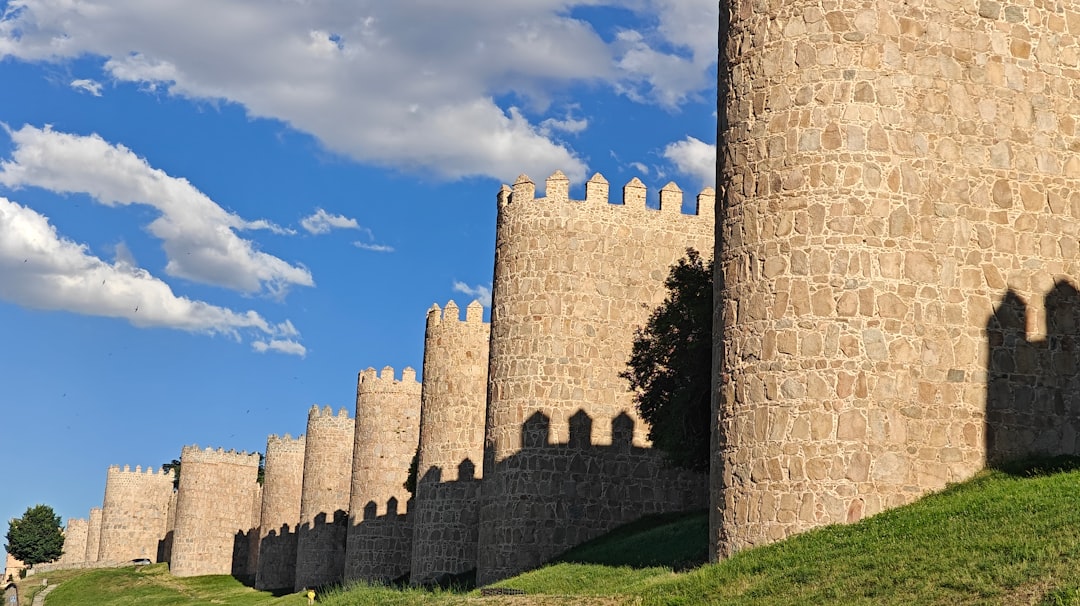
What to see in Ávila at a glance
| Place | Why visit | Time to allow |
|---|---|---|
| Ávila City Walls | Best overall views and the city’s signature monument | 1–1.5 hours |
| Ávila Cathedral | Fortified Gothic architecture integrated into the walls | 45–60 minutes |
| Basilica of San Vicente | One of Ávila’s most important Romanesque churches | 30–45 minutes |
| Convent of Saint Teresa | Key site connected with Saint Teresa of Ávila | 30–45 minutes |
| Cuatro Postes | Classic panoramic view of the walled city | 30–45 minutes |
| Historic centre | Quiet streets, squares, palaces and local food | 1–2 hours |
1. Walk the city walls
The walls are the obvious place to start, but they are not just something to photograph from below. A large section is open to visitors, and walking along the ramparts changes the way you understand the city.
Spain’s official tourism portal describes Ávila as one of the best-preserved walled cities in Europe and notes that around 1,700 metres of the walls are accessible to visitors. From the top you get close views of the cathedral, the old town and the surrounding Castilian landscape. Check the official Spain tourism guide to Ávila for current visitor information.
Take your time here. The light changes dramatically through the day, and the views are very different depending on whether you look inward over the rooftops or outward toward the plateau and distant hills.
2. Visit Ávila Cathedral
Ávila Cathedral is unusually tied to the city’s defensive architecture. Its apse forms part of the walls, which makes it feel as much like a fortress as a church from certain angles.
The cathedral is often described as Spain’s first Gothic cathedral, and the official Castilla y León tourism route also highlights its dual role as a temple and defensive structure.
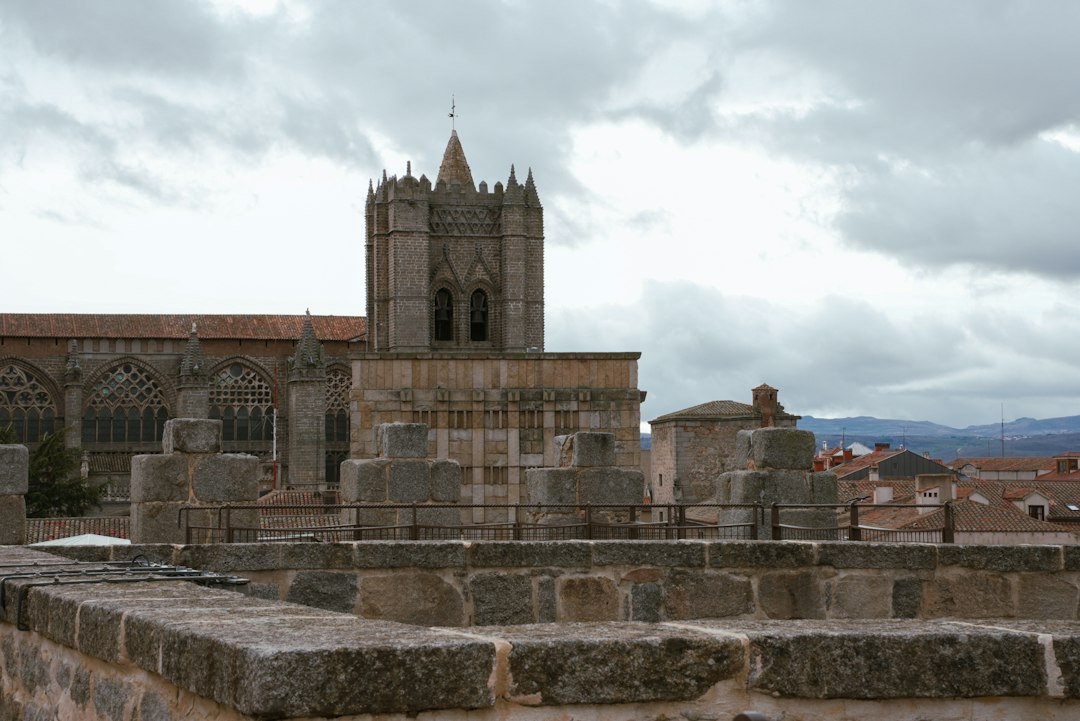
Even if you are not especially interested in religious architecture, the cathedral is worth entering because it helps explain how closely spiritual and military life were connected in medieval Ávila.
3. See the Basilica of San Vicente
Outside the walls, near the northeastern side of the old town, the Basilica of San Vicente is one of the city’s strongest Romanesque landmarks.
Its exterior is impressive, but the interior is the real reason to go. The church is associated with the martyrs Vicente, Sabina and Cristeta, and its architectural detail gives you a different visual language from the Gothic cathedral.
If you enjoy historic churches, Ávila is especially rewarding because you can compare several styles within a relatively small area. The official Castilla y León tourism material identifies San Vicente as one of the key monuments on the city’s Romanesque route.
4. Follow the story of Saint Teresa
Ávila is inseparable from Saint Teresa of Ávila, one of the most important figures in Spanish Christian mysticism. Her presence appears throughout the city, but the Convent of Saint Teresa is the central stop for most visitors interested in her life.
The convent stands on the site traditionally associated with her birthplace. Nearby, you can also explore places connected with her spiritual life and the broader history of Carmelite reform.
You do not need to approach the city as a religious pilgrimage to find this interesting. Teresa’s story is also a major part of Ávila’s cultural identity.
5. Go to Cuatro Postes for the classic view
Cuatro Postes is the viewpoint that gives you the image most people remember: Ávila spread across the horizon behind its long line of medieval walls.
The viewpoint lies outside the historic centre and is formed by four stone columns surrounding a cross. Official tourism sources specifically recommend it at sunset, when the walls catch the last warm light of the day.
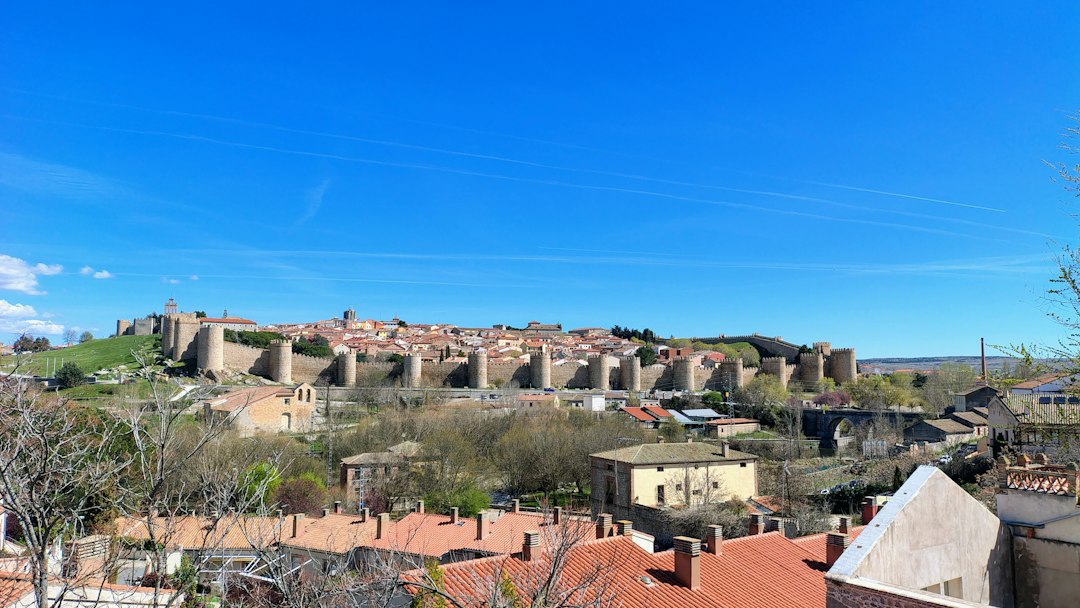
If your schedule allows it, save this for late afternoon or early evening rather than rushing there at midday.
6. Wander without a checklist
Ávila is at its best when you leave some time unplanned. The historic centre is small enough that getting slightly lost is not a problem, and that is often when you notice the quieter details: old stone façades, arcaded squares, small churches, noble houses and views through the city gates.
Plaza del Mercado Chico is a natural place to pause for a drink or coffee. From there, you can continue through the old town without needing a rigid route.
7. Try the local food
Ávila is known for hearty Castilian food. The best-known local dish is chuletón de Ávila, a large beef steak typically served simply so the quality of the meat remains the focus.
Other regional classics include judías del Barco de Ávila and yemas de Santa Teresa, a rich egg-yolk sweet strongly associated with the city. Spain’s official tourism site highlights all three as signature local specialties.
For more ideas beyond Ávila city, our Ávila Province Travel Guide covers nearby villages, mountain landscapes and historic routes.
One-day itinerary for Ávila
| Time | Plan |
|---|---|
| 09:30 | Enter the historic centre and walk part of the city walls |
| 11:00 | Visit Ávila Cathedral |
| 12:15 | Walk through the old town and Plaza del Mercado Chico |
| 13:30 | Lunch: chuletón or a lighter Castilian menu |
| 15:30 | Convent of Saint Teresa and nearby historic streets |
| 16:30 | Basilica of San Vicente |
| 18:00 | Cuatro Postes viewpoint |
Is Ávila worth staying overnight?
Yes, especially if you enjoy quieter historic cities. A day trip lets you see the highlights, but an overnight stay gives you the chance to experience the walls and old town after many day visitors have left.
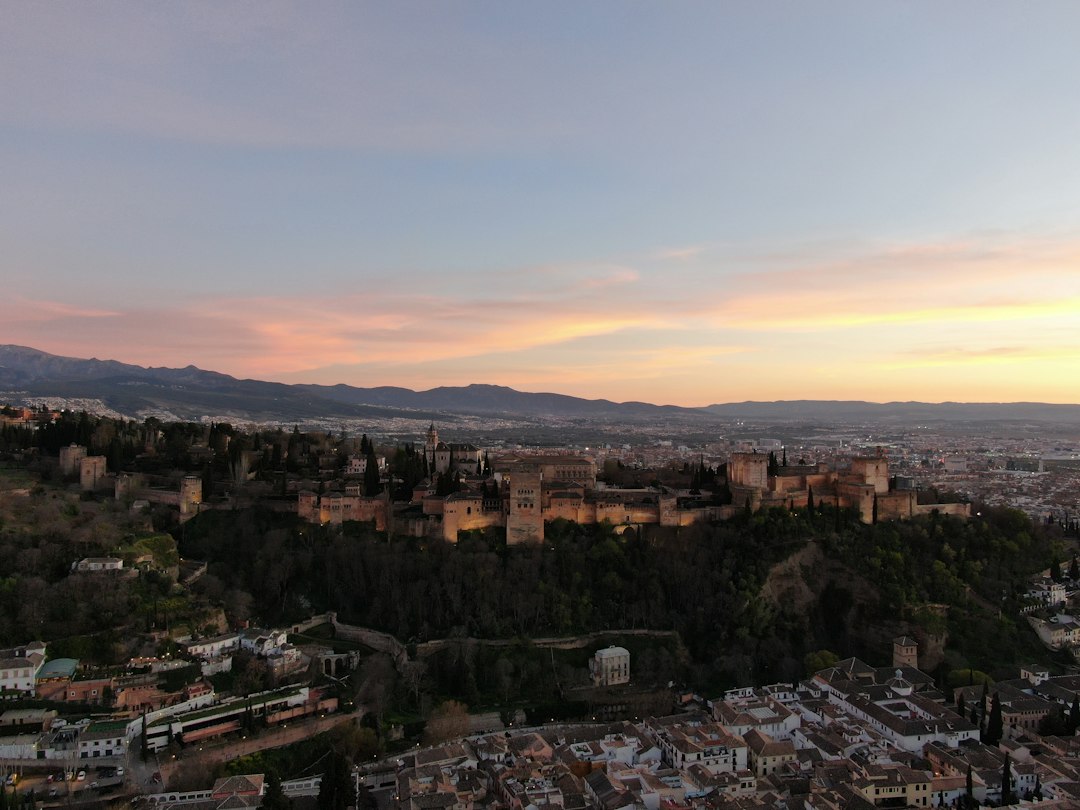
The illuminated walls are particularly atmospheric after dark, and the city centre becomes much calmer in the evening.
How to get to Ávila from Madrid
Ávila is roughly 120 km from Madrid, making it one of the easiest historic escapes from the capital. Driving gives you the most flexibility, especially if you want to combine the city with another stop in the province.
Train and bus options are also available, although schedules vary by day and season. The main train station is outside the walled centre, so allow extra time for the walk or local transport connection.
If you are building a longer central-Spain itinerary, see our Madrid 3 Day Itinerary and Madrid Travel Guide.
Best time to visit Ávila
Spring: one of the most comfortable times for walking the walls and exploring the old town.
Summer: sunny and lively, but daytime heat can make exposed walks less comfortable. Start early and use the middle of the day for interiors and lunch.
Autumn: excellent for cooler temperatures, softer light and fewer peak-season crowds.
Winter: cold but atmospheric. Ávila sits at high altitude, so temperatures can be significantly lower than in Madrid.
Events worth knowing about
The city’s Medieval Days, usually held in early September, transform the historic centre with markets, costumes and performances. Holy Week is another major event in the city’s calendar, while summer often brings cultural performances and evening activities around the walls.
Practical tips
- Wear comfortable shoes: much of the historic centre is cobbled.
- Walk the walls earlier or later in the day during hot weather.
- Save Cuatro Postes for sunset if you can.
- Do not plan the visit around monuments alone; leave time for the streets and squares.
- Check opening times before visiting religious sites, as they can vary seasonally.
- Bring a light layer even in warmer months; Ávila can feel cooler than nearby Madrid.
Is Ávila a good day trip from Madrid?
Absolutely. It is compact, visually distinctive and different enough from Madrid to feel like a genuine change of pace. But if you have the time, one night is better than a rushed same-day return.
For a wider Spain itinerary, you may also like our Spain Travel Bucket List, Hidden Gems in Spain and Best Attractions in Spain.
Ávila travel FAQ
How long do you need in Ávila?
One full day is enough for the main sights. Two days gives you a much more relaxed experience and lets you enjoy the walls at different times of day.
Can you walk around Ávila easily?
Yes. The historic centre is compact and best explored on foot. The main exception is Cuatro Postes, which sits outside the walls.
What is Ávila most famous for?
The medieval walls are the city’s defining landmark, but Ávila is also strongly associated with Saint Teresa, Romanesque churches and traditional Castilian food.
Is Ávila expensive?
Compared with Spain’s largest tourist cities, Ávila can be relatively good value, especially for accommodation outside major festival weekends. Prices still vary by season and location.
Last reviewed: September 2026. Opening hours, ticket prices and transport schedules can change; check official tourism sources before traveling.