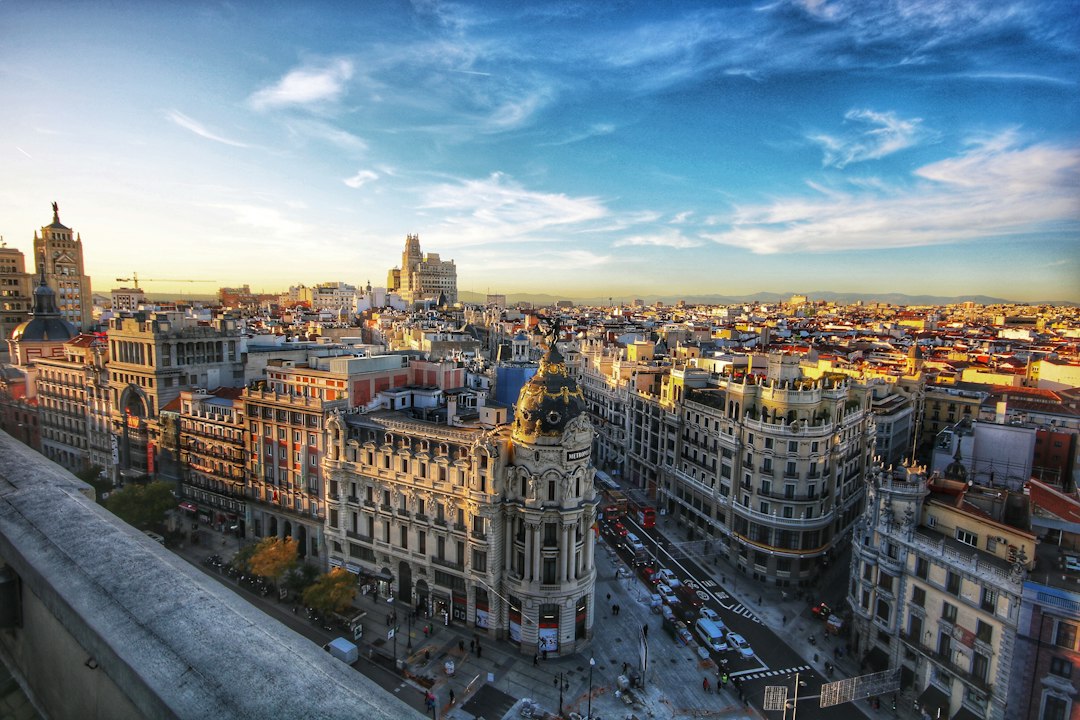
Madrid rewards travelers who leave enough time for neighborhoods, museums, parks and long meals rather than treating the city as a checklist of monuments. It is compact enough to explore on foot in the centre, but large enough that choosing the right base and grouping sights by area makes a noticeable difference.
Planning Madrid as part of a wider route? Start with our Spain travel guide to compare Madrid with Barcelona, Ávila, Tenerife, Málaga and Cantabria and decide which combinations make sense for your trip.
This Madrid travel guide focuses on how to plan the city well: where to stay, what to prioritize, how to organize sightseeing and where food fits into the trip.
How many days do you need in Madrid?
Three full days works for the main sights at a steady pace. Four days gives you more room for museums, neighborhoods and slower meals. If you want a day trip to Toledo, Segovia or another nearby destination, add an extra day rather than squeezing Madrid itself.
Before booking, use our step-by-step travel planning guide to organize your budget, reservations and arrival arrangements.
Best areas to stay
Centro and Sol
Best for first-time visitors who want to walk to many major sights. The trade-off is more tourist traffic and potentially more street noise.
Barrio de las Letras
A strong base for museums, Retiro, restaurants and a more atmospheric evening walk. It works especially well for travelers planning significant time around the Prado area.
Malasaña and Chueca
Good choices for nightlife, cafés and a younger city atmosphere. They remain central without feeling exactly like the Puerta del Sol corridor.
Salamanca
More polished and residential, with upscale shopping and good transport. Choose it when hotel quality and a quieter evening environment matter more than being beside every historic landmark.
Chamberí
A useful option for travelers who want a more local residential feel while remaining well connected to central Madrid.
What to see first
Prado, Retiro and the Landscape of Light
The Prado Museum, Paseo del Prado and El Retiro form part of Madrid’s UNESCO-listed Landscape of Light. The city’s official tourism site notes that the designation combines culture, science and nature across this central area.
Do not schedule three major art museums in one day unless that is genuinely the purpose of your trip.

Royal Palace and historic centre
Madrid’s Royal Palace is still the official residence of the Spanish monarchy, although it is not the royal family’s everyday home. Combine it with Plaza de Oriente, Almudena Cathedral and the older streets toward Plaza Mayor.
Opening arrangements and access can change, so use the official Madrid tourism page before visiting.
Gran Vía and central neighborhoods
Gran Vía is useful as a connector between several areas, but the most interesting parts of Madrid often appear once you step away from the main avenue into Malasaña, Chueca or quieter side streets.
How to eat well in Madrid
Madrid has everything from traditional bars to modern food halls. Mercado de San Miguel is famous and central, while markets such as San Antón and San Ildefonso combine food stalls with prepared dishes. They can be useful introductions, but do not make tourist markets your only food experience.

For snack ideas, read our Spanish Street Food Guide.
Getting around
Walking plus Metro is enough for most short visits. Group sights geographically instead of crossing the city repeatedly. Airport, suburban rail and transport ticket rules can change, so check the official transport operator before travel.
Common Madrid planning mistakes
- trying to visit the Prado, Reina Sofía and Thyssen in one rushed day;
- choosing a hotel only by distance from Sol;
- booking every dinner in the busiest tourist squares;
- forgetting that summer afternoons can be very hot;
- adding a day trip without leaving enough time for Madrid itself.
Who will enjoy Madrid most?
Madrid is particularly strong for art, food, nightlife, urban parks and travelers who enjoy exploring neighborhoods on foot. It is less about one iconic landmark and more about the combination of culture and everyday city life.
Last reviewed: September 2026.