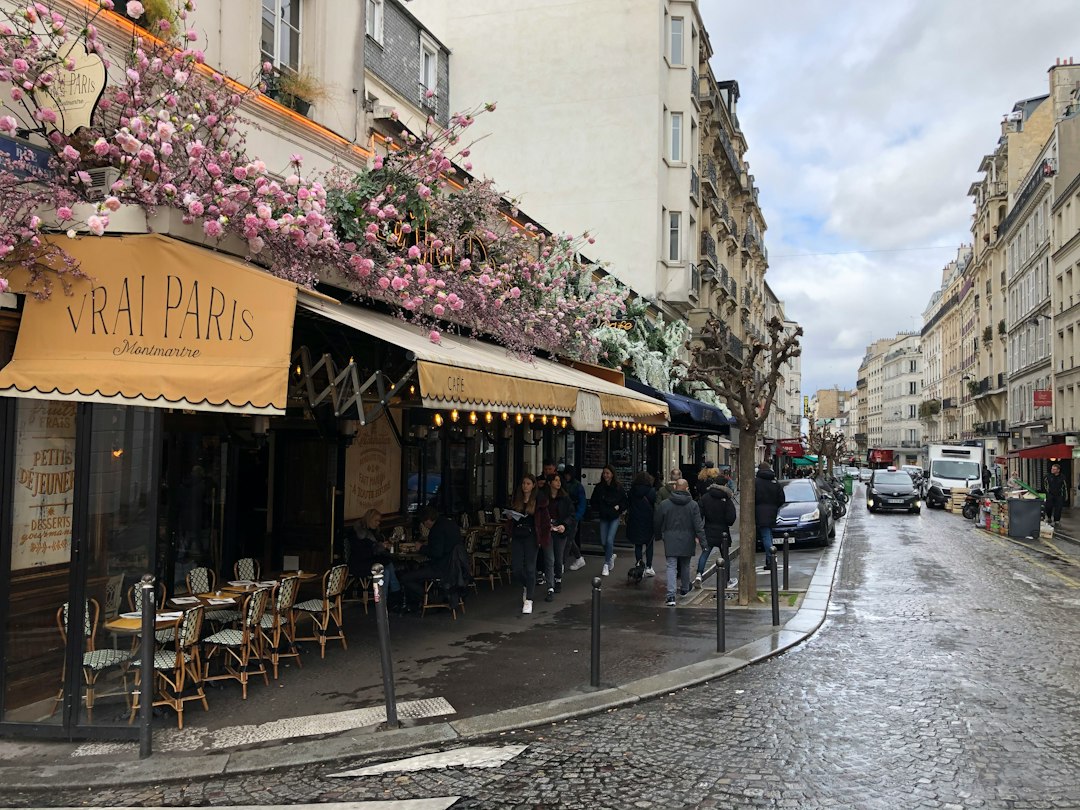
Seven days gives you enough time to see Paris’s major landmarks without turning every day into a race. The key is to group sights by area, pre-book only the attractions that genuinely need it and leave room for neighborhoods, meals and weather changes.
This 7 days in Paris itinerary is designed as a practical first-time route. It is separate from our broader One Week in Paris Planning Guide, which focuses more on accommodation, transport, pace and reservations.
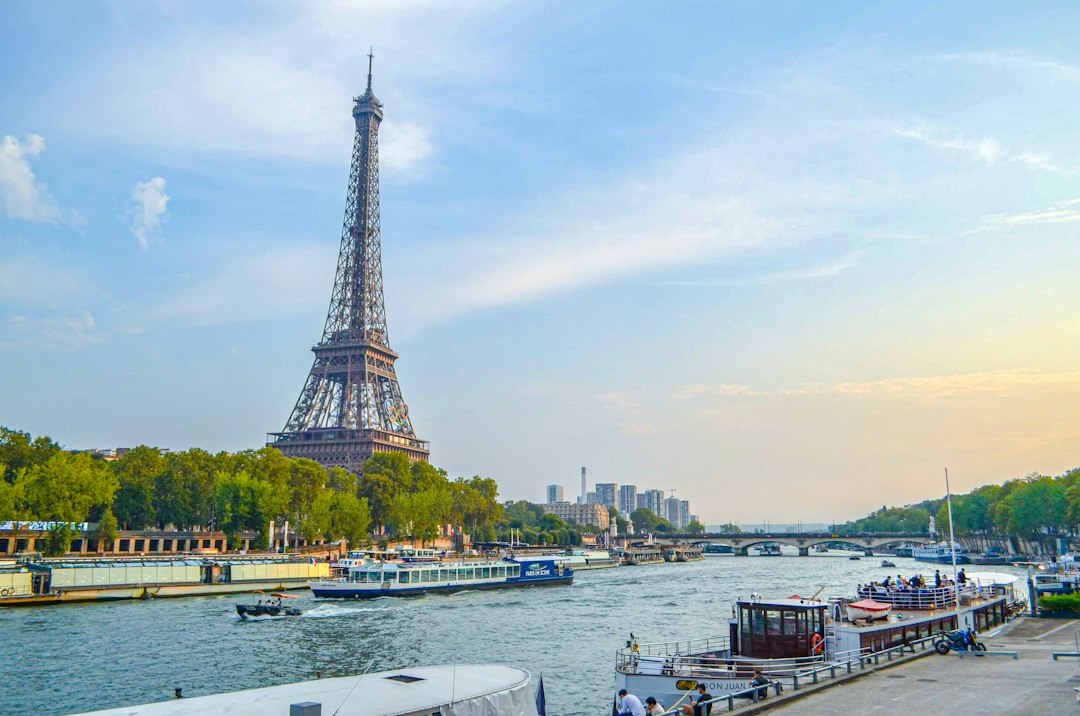
Paris and the Seine. Photo: Simon Li / Unsplash.
7 days in Paris at a glance
| Day | Main area | Anchor activity |
|---|---|---|
| 1 | Île de la Cité / Latin Quarter | Notre-Dame, Sainte-Chapelle, river walk |
| 2 | 7th arrondissement | Eiffel Tower and Seine |
| 3 | Louvre / Tuileries | Louvre with a defined time block |
| 4 | Le Marais | Flexible neighborhood day |
| 5 | Montmartre | Sacré-Cœur and local streets |
| 6 | Left Bank | Musée d’Orsay and Saint-Germain |
| 7 | Versailles or Paris | Excursion or flexible final day |
Before you start: book only the high-friction sights
The Eiffel Tower, the Louvre and Versailles can create the biggest scheduling problems if you leave them to the last minute. Reserve those first, then build the easier parts of the week around them.
Day 1: Île de la Cité and the Latin Quarter
Start around Notre-Dame and the Seine, then add Sainte-Chapelle if it interests you. Continue on foot into the Latin Quarter and Luxembourg Gardens.
Keeping the first day compact is useful if your flight or train arrives late. If you are tired, you can shorten the route without losing a prepaid attraction on the opposite side of the city.
Day 2: Eiffel Tower, Trocadéro and the Seine
Visit the Eiffel Tower and explore the surrounding 7th arrondissement. Official Eiffel Tower tickets are sold online and release windows can vary by ticket type.
Official Eiffel Tower ticket office
After the tower, stay around the Seine, Champ de Mars or Trocadéro rather than immediately crossing the city for another major attraction. A river cruise can fit naturally here if you want one.
Day 3: Louvre, Tuileries and Palais Royal
Give the Louvre a defined time block. Trying to “see everything” is unrealistic. Pick the collections or works that matter most to you, then leave enough energy for the rest of the day.
Official Louvre hours and tickets
Continue through the Tuileries Garden and Palais Royal. This keeps the day in one central zone and avoids wasting time on Metro transfers.
Day 4: Le Marais and eastern central Paris
Explore Place des Vosges, Le Marais and nearby historic streets. This day is deliberately lighter on fixed bookings so you can stop for food, shops or a small museum without constantly checking the clock.
If the weather is poor, this is a good day to swap in an indoor attraction from later in the week.
Day 5: Montmartre
Use the morning and early afternoon for Montmartre, Sacré-Cœur and the surrounding streets. Move beyond Place du Tertre to quieter lanes and viewpoints rather than treating the neighborhood as one photo stop.
Montmartre involves slopes and stairs. If mobility is an issue, plan the route around the funicular and easier access points before arrival.
Day 6: Musée d’Orsay, Saint-Germain and the Left Bank
Choose one major museum—Musée d’Orsay fits naturally with Saint-Germain and the Left Bank—then leave the rest of the day for walking, bookshops, cafés and the river.
If art is not a priority, replace the museum with a slower neighborhood day instead of adding an attraction simply because it is famous.
Day 7: Versailles or a flexible Paris day
If Versailles is a priority, reserve the final full day for it. Treat it as a substantial excursion rather than something to squeeze in before dinner.
If you prefer not to add another large attraction, use the final day for a neighborhood you missed, shopping, a food market or a second museum. Keeping day seven flexible also gives you somewhere to move an outdoor activity affected by rain earlier in the week.
How to make the week feel less rushed
- Group attractions by neighborhood.
- Limit most days to one major ticketed attraction.
- Leave arrival day lighter than the rest.
- Keep at least one half-day flexible.
- Do not schedule two exhausting museums back-to-back unless art is the main purpose of the trip.
Paris transport in 2026: choose the product from your actual itinerary
Île-de-France Mobilités currently offers several products useful to visitors. The important difference is validity, not simply price.
- Navigo Week: valid Monday to Sunday and currently priced at €32.40 for unlimited travel when the relevant conditions are met.
- Paris Visite: available for 1, 2, 3 or 5 consecutive days and includes the wider Île-de-France network, including airport travel under the current product conditions.
- Individual tickets/day products: can make more sense if your itinerary is heavily walkable and you use little public transport.
A seven-night stay does not automatically mean Navigo Week is best: if your trip starts midweek, the Monday-to-Sunday validity matters.
Official Île-de-France Mobilités visitor ticket guide
Do the maths before buying a tourist pass
A pass can be convenient, but convenience and savings are not the same thing. Count the trips you are likely to make, include airport and Versailles travel where relevant, and compare the current official fare products.
What to book in advance
| Book early | Usually flexible |
|---|---|
| Eiffel Tower | Neighborhood walks |
| Louvre | Most cafés |
| Versailles | Gardens and river walks |
| Special exhibitions | General shopping |
Where to put a special dinner
Do not put your most important dinner on the same day as a long excursion with uncertain return time. Day 4 or Day 6 usually gives you more control than Versailles day.
Paris with children
Reduce the number of museums, add parks and avoid building every day around adult sightseeing priorities. One major attraction plus a playground, garden or river walk is often more realistic than a dense checklist.
Paris with limited mobility
Check station accessibility, attraction lifts and walking surfaces in advance. Metro accessibility is not uniform, and an apparently short route can involve stairs or long internal station corridors.
Official visitor information
Paris’s tourism office is useful for current exhibitions, neighborhood information and temporary changes: Paris je t’aime.
Continue planning
For accommodation and overall pacing, use our One Week in Paris Planning Guide. For a broader European route, see Multi-City Trip Planning and the Travel Booking Toolkit.
Last reviewed: October 2026. Opening hours, transport fares and reservation rules can change; verify high-priority attractions shortly before travel.