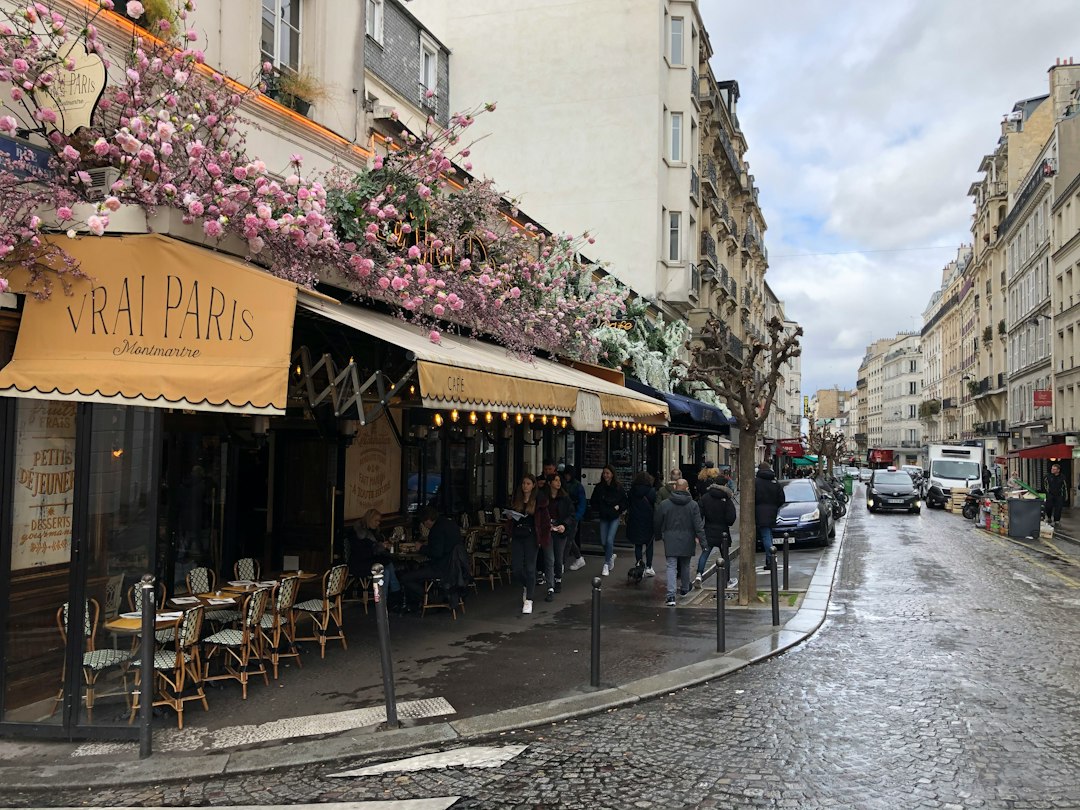
One week in Paris is long enough to combine famous sights with neighborhood time, but only if you plan the structure before filling each day. This guide focuses on how to organize a seven-night Paris trip—where to stay, how much to pre-book, transport and pacing—rather than repeating a day-by-day itinerary.
For a complete daily route, use our 7 Days in Paris Itinerary.
One-week Paris planning priorities
| Decision | Good rule |
|---|---|
| Major attractions | Reserve only the high-demand sights first |
| Daily structure | Group sights by area instead of crossing the city repeatedly |
| Museums | Limit major museums to preserve energy |
| Versailles | Treat it as a substantial excursion, not a half-hour add-on |
| Food / cafés | Leave unscheduled time instead of booking every meal |
Start with usable days, not the number of nights
A seven-night stay does not always mean seven full sightseeing days. Write down arrival and departure times first, allowing for transfers, baggage and check-in. Put a flexible walk on arrival day instead of a prepaid attraction that would be difficult to reach after a delay.
For example, arriving on Saturday afternoon and leaving the following Saturday morning gives you six full days between travel days. Choose a small number of must-see places for those days, then leave room for neighborhoods, meals and a weather change.
Choose your base carefully
Central first-time base
The 1st, 4th, 5th and 6th arrondissements put many major sights within walking distance, but accommodation can be expensive.
Le Marais
A strong option for restaurants, evening walks and central access. It works especially well for travelers who prefer being surrounded by neighborhood life rather than large monuments.
Montparnasse or the 14th
These areas can offer a more residential feel while remaining well connected by Metro.
Montmartre
Atmospheric and distinctive, but hillier and less central for some major sights. Check the exact Metro access before choosing a hotel solely for the view.
How much should you pre-book?
Reserve the attractions that matter most to you before filling the gaps. The Eiffel Tower’s current visit-planning guidance describes advance windows of up to 90 days for elevator tickets and 60 days for stair tickets. Its booking pages can display different wording, so confirm the ticket type and released dates in the official ticket calendar rather than relying on an older blog timetable. A timed ticket does not remove security checks.
The Louvre also changes reservation requirements during busy periods, so consult its official admission page shortly before your trip.
Do not copy old transport advice
Paris transport products and prices change. Compare individual tickets, day products and visitor passes based on the journeys you will actually make. Île-de-France Mobilités publishes current options and rates on its official fares pages.
Does a weekly transport pass fit your actual dates?
The Navigo Week terms specify Monday to Sunday validity, not seven consecutive days starting whenever you arrive. A trip crossing a Sunday therefore needs a different calculation from a Monday-to-Sunday stay.
List airport transfers, your likely daily journeys and any trip outside central Paris. Compare the full cost and coverage of individual tickets and passes for those exact journeys. Check airport coverage, exclusions and the phone or card needed before purchasing; the word “weekly” is not enough to decide value.
Make a realistic Paris budget
Use your accommodation quote as the starting point and keep these lines separate: room and mandatory charges, arrival and departure transfers, local transport, booked attractions, meals and a contingency. Divide shared costs by the actual number of travelers rather than comparing a room price with someone else’s per-person budget.
Prepare one version with your essential visits and a second with optional extras. If the difference is too high, remove an optional tour or day trip before choosing an inconvenient base that adds travel every day. Our hotel comparison workflow helps compare like-for-like accommodation prices.
How to divide a week
A useful structure is four or five sightseeing days, one slower neighborhood day and one flexible day for Versailles, a museum you missed or simply resting. This protects the trip from bad weather and fatigue.
Plan by zones
Paris’s tourism office recommends grouping nearby landmarks. For example, the Louvre, Sainte-Chapelle, Notre-Dame and central Seine sights can be combined more efficiently than jumping between distant districts. See Paris je t’aime for current visitor information.
How many museums are realistic?
For most travelers, one major museum in a day is enough. Two may work if they are smaller or art is the main purpose of the trip. A week gives you the luxury of spacing them out.
Food planning
Reserve only special restaurants that genuinely require it. Leave several lunches and dinners open so you can use neighborhood bakeries, markets and ordinary bistros instead of spending the week chasing reservations.
Build in a weather fallback
Keep one museum, covered market or indoor attraction unassigned. If rain disrupts an outdoor day, move that activity without rebuilding the entire itinerary.
A simple one-week planning checklist
- choose one well-connected base;
- book flights and accommodation;
- reserve only high-demand attractions;
- group days by neighborhood;
- check current transport products;
- leave one flexible day;
- keep confirmations available offline.
For a strict daily schedule, continue with our 7 Days in Paris Itinerary.
Last reviewed: September 2026.