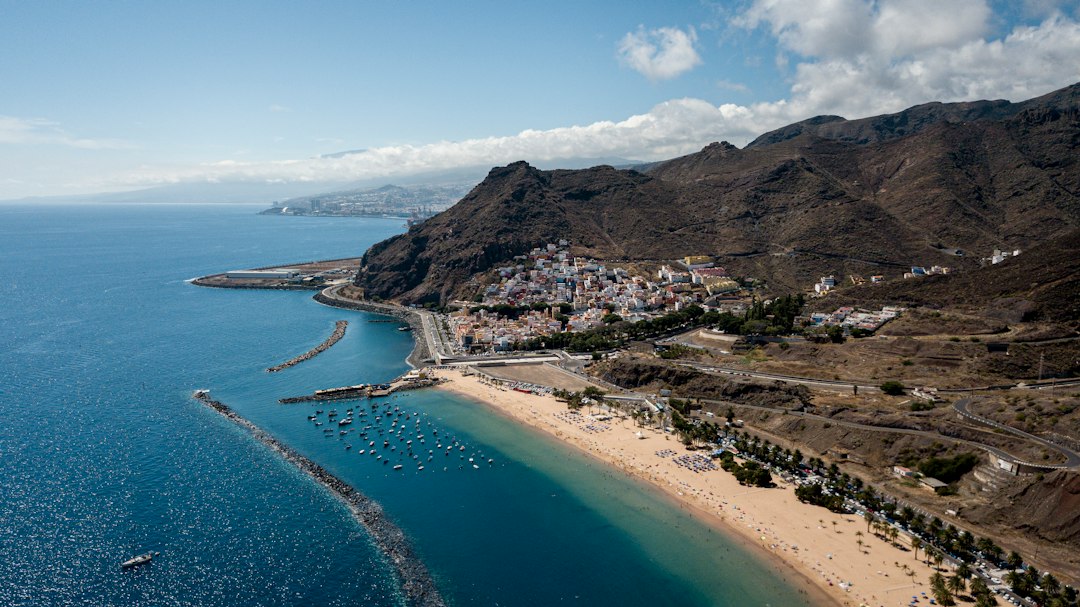
Tenerife is famous for resort beaches, but some of the island’s most memorable stretches of coast are quieter, darker, rougher and far less developed. These places are not automatically better for swimming: several are exposed to Atlantic swell, have limited facilities or require a walk to reach them.
To compare Tenerife with other coastal and island styles, use our Beach & Island Travel Guide.
If Tenerife is one part of a larger Spanish trip, use our Spain travel guide to compare the island with mainland stops such as Madrid, Barcelona, Ávila, Málaga and Cantabria before deciding how much time to devote to each region.
This guide focuses on quiet and wild beaches in Tenerife for travelers who want scenery and space rather than rows of sunbeds. Conditions can change quickly, so always check local signs and official access information before setting out.
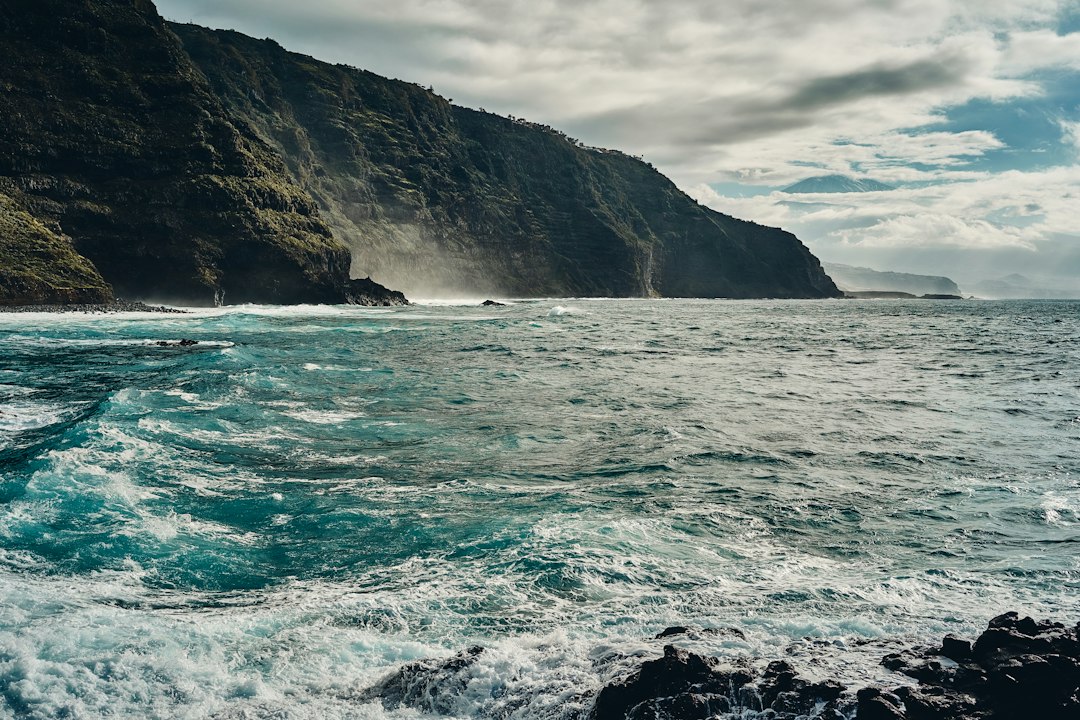
Tenerife’s exposed Atlantic coastline. Photo: Bastian Pudill / Unsplash.
Important current note about Benijo
At the time of our September 2026 review, the official Hello Canary Islands page marks Benijo Beach as temporarily closed because of a landslide. Do not plan a visit until the closure is lifted. Tenerife’s official tourism site also warns that the beach is exposed to strong waves even when access is open.
Check the latest status on the official Benijo beach page before travelling to Anaga.
1. Benijo — spectacular, but check access first
Benijo sits on Tenerife’s north-east coast in the Anaga area, with black sand and dramatic views toward the Roques de Anaga. When open, access is on foot via a path and stairs. It is a place to visit for scenery and sunset rather than assuming calm swimming conditions.
Best for: volcanic scenery, photography and an Anaga road trip.
Watch for: closure notices, steep access and strong surf.
2. Almáciga — wild north-coast atmosphere
Almáciga is another exposed black-sand beach on the Anaga coast. It feels much less urban than the main beaches around Santa Cruz or the southern resorts. The Atlantic can be powerful here, so swimming decisions should be based on the conditions you find that day, not on photos taken in calmer weather.
Best for: a scenic drive through Taganana and Anaga.
Watch for: waves, currents and limited shelter.
3. Roque de las Bodegas — easier to combine with a coastal day
Roque de las Bodegas is more accessible than some remote Anaga beaches and can be paired naturally with Taganana and viewpoints in the rural park. It is a good option when you want a coastal stop without committing to a difficult hike.
4. El Bollullo — black sand near Puerto de la Cruz
El Bollullo is a useful alternative for travelers staying in northern Tenerife who want a more natural setting than a large urban beach. The approach involves narrow roads and walking sections, so it is better treated as a deliberate half-day stop than a quick parking-and-swimming visit.
Best for: north-island travelers and volcanic beach scenery.
Watch for: steep access and changing sea conditions.
5. Los Patos — quieter, but access matters
Playa de Los Patos is known for its broad dark sand and relatively undeveloped feel. Access conditions have changed over time, so confirm that the route is officially open before attempting it. This is exactly the kind of beach where current access information matters more than an old travel blog.
6. La Tejita — open space in the south
If you are staying in southern Tenerife but want less resort infrastructure, La Tejita offers a long natural beach beside Montaña Roja. It is more open and windswept than nearby resort beaches, which is part of its appeal.
Best for: space, walking and a more natural southern-coast setting.
Watch for: wind and exposed conditions.
7. Playa del Socorro — a local-feeling north-coast option
Playa del Socorro, in Los Realejos, combines black sand with easier road access than the most remote beaches. It is popular with surfers and local visitors, so “quiet” depends on the day, but it gives you a very different atmosphere from the large southern resort strips.
How to choose the right beach
- For scenery: Anaga’s coast is hard to beat, but access and surf need respect.
- For an easier north-coast day: El Bollullo or Playa del Socorro can be more practical.
- For a natural beach in the south: La Tejita is a strong choice.
- For swimming: choose based on that day’s flags and sea conditions, not on how secluded the beach looks.
Safety on Tenerife’s wild beaches
Remote beaches often have fewer lifeguards, less shade and less reliable mobile coverage. Take water, sun protection and suitable footwear. Never ignore red flags, barriers or closure signs. Strong shore break and currents can exist even on sunny days.
Combine beaches with the right area
Do not try to cross the island repeatedly in one day just to collect beaches. Group Anaga beaches together, north-coast beaches together and southern natural beaches together.
For a broader island comparison, see our Best Beaches in the Canary Islands guide.
Last reviewed: September 2026. Access and sea conditions can change; confirm official information before visiting remote beaches.