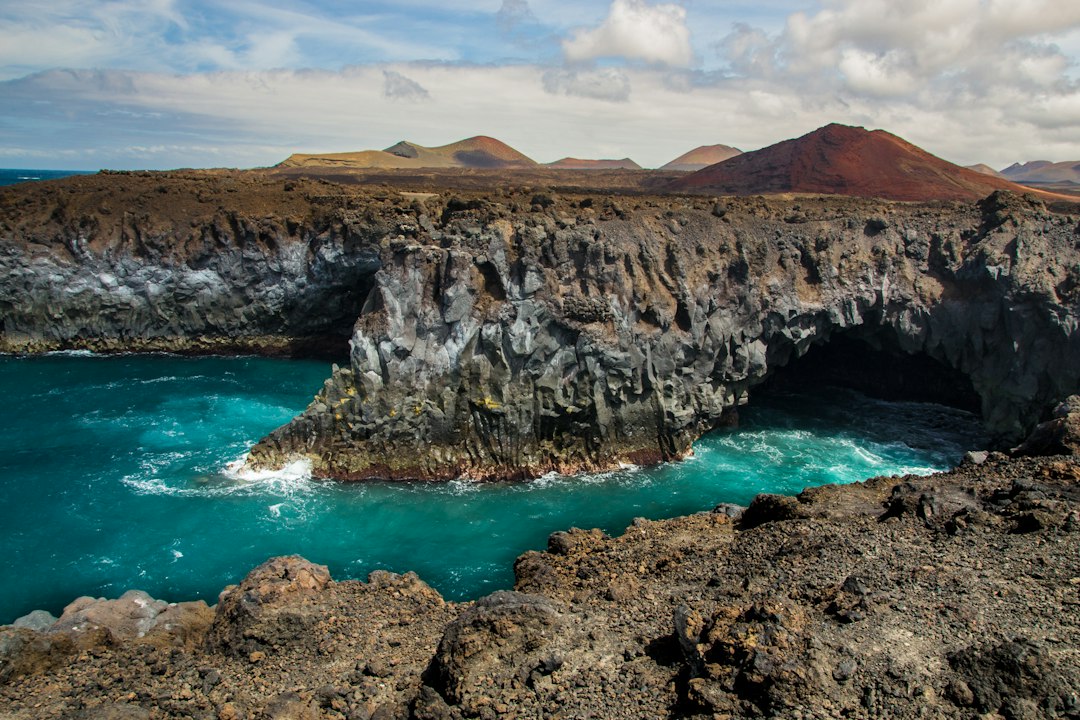
The Canary Islands do not have one single beach style. Across the archipelago you will find black volcanic sand, huge dune systems, calm city beaches, surf breaks and remote stretches of Atlantic coast.
This guide compares some of the best beaches in the Canary Islands by the kind of trip they suit rather than pretending there is one universal winner.
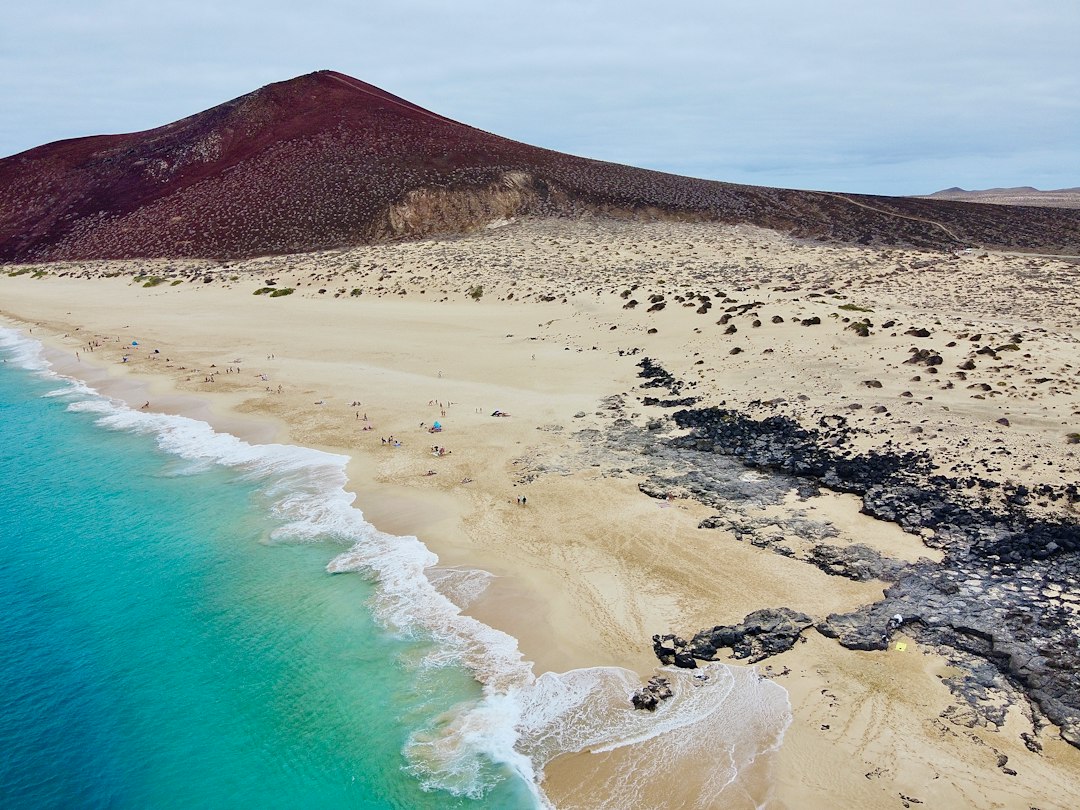
Playa de las Conchas, La Graciosa. Photo: Jorge Fernández Salas / Unsplash.
Tenerife
La Tejita — best for open space in the south
La Tejita sits beside Montaña Roja and feels much less built-up than the main resort beaches of southern Tenerife. Expect wind and an exposed setting.
El Bollullo — best for black-sand scenery
Near Puerto de la Cruz, El Bollullo combines volcanic sand with a more natural north-coast atmosphere. Access is less effortless than an urban beach, and Atlantic conditions deserve respect.
For more options, see our Quiet Beaches in Tenerife guide. As of September 2026, official tourism information marks Benijo temporarily closed because of a landslide, so check access before planning an Anaga beach day.
Gran Canaria
Las Canteras — best urban beach
Las Canteras runs for more than two kilometres through Las Palmas de Gran Canaria. The official Hello Canary Islands guide highlights its city-centre location and natural offshore reef, which shelters parts of the beach and supports marine life.
Maspalomas — best for dunes and scale
Maspalomas is less about isolation and more about the extraordinary combination of dunes, long shoreline and resort infrastructure. Walk farther from the busiest access points if you want more space.
Güigüi — best for remote adventure
Güigüi is for experienced travelers prepared for difficult access rather than casual beachgoers. Treat remote beaches as hikes first and swimming locations second; carry enough water and confirm route conditions.
If Gran Canaria is your base, compare our Gran Canaria beachfront hotel guide before choosing between Las Canteras, Maspalomas, Meloneras and the Mogán coast.
Fuerteventura
Cofete — best for wild landscape
Cofete is one of the archipelago’s great scenic beaches: huge, remote and exposed. It is not a place to assume safe swimming conditions just because the beach is spectacular.
Sotavento — best for wind and water sports
The long Sotavento coastline suits travelers interested in wind sports, walking and broad open scenery. Conditions vary significantly with wind and tide.
Corralejo Grandes Playas — best for easy access plus dunes
These beaches combine pale sand, views toward Lobos Island and proximity to Corralejo, making them easier to integrate into a normal holiday than the island’s most remote coasts.
Lanzarote
Papagayo — best for sheltered coves
The Papagayo area offers a series of small coves in the south of Lanzarote. Access and parking arrangements can change, so check local information before driving in.
Famara — best for surf atmosphere
Famara’s huge beach and cliffs create one of Lanzarote’s most dramatic coastal landscapes. Wind and surf are part of its character.
La Gomera
Valle Gran Rey — best for a relaxed island base
The beaches around Valle Gran Rey work well for travelers who want to combine swimming, sunsets and easy access to restaurants and accommodation rather than seeking total isolation.
La Palma
Playa de Nogales — best for dramatic volcanic coast
Nogales is visually striking, with black sand and steep green cliffs. Like many exposed Atlantic beaches, conditions can be unsuitable for swimming even when the weather looks good.
Which island has the best beaches?
- For huge sandy landscapes: Fuerteventura.
- For variety plus resorts: Tenerife and Gran Canaria.
- For volcanic scenery: Lanzarote, Tenerife and La Palma.
- For a city beach: Las Canteras in Gran Canaria.
- For surf-oriented trips: Fuerteventura and Lanzarote offer many strong options.
For Tenerife specifically, compare our Quiet Beaches in Tenerife guide and Best Hotels in Tenerife before choosing a base.
Beach safety in the Canary Islands
The Atlantic can be powerful. Respect beach flags, lifeguards, barriers and closure notices. Remote beaches may have no services, little shade and difficult emergency access.
For official island beach information, use Hello Canary Islands.
Choose the beach around the day’s conditions
Wind, swell and tide can change the character of a Canary Islands beach quickly. A beach that looks calm in photographs may be unsuitable for swimming on a particular day. Check local warnings and use an alternative beach when conditions are poor.
Rental car access is not the same everywhere
Urban beaches such as Las Canteras are easy without a car, while remote beaches may involve rough roads, limited parking or a substantial walk. Include the access effort when deciding whether a “hidden” beach is worth a full day.
Families should prioritize lifeguards and facilities
For young children, toilets, shade, food, parking and lifeguard coverage may matter more than dramatic scenery. Resort and city beaches can be a better choice than exposed remote coves even when the latter look more impressive online.
A two-beach strategy works well
Choose one main beach and one nearby backup with a different orientation or level of shelter. This gives you an alternative when wind, surf or access conditions make the first choice unsuitable.
Last reviewed: October 2026. Beach access, closures and sea conditions can change; check current local information and warning flags.