Egyptian food is built around beans, bread, grains, vegetables, herbs, grilled meats and rich desserts. Knowing a few core dishes makes it much easier to order confidently in local restaurants, street-food counters and traditional cafés.
Egyptian food at a glance
| Dish | Type | Good time to try it |
|---|---|---|
| Foul medames | Fava beans | Breakfast |
| Taameya | Fava-bean fritter | Breakfast or snack |
| Koshary | Rice, pasta, lentils and chickpeas | Quick lunch or casual dinner |
| Kofta / kebab | Grilled meat | Restaurant meal |
| Umm Ali | Baked dessert | After a shared meal |
1. Foul medames
Slow-cooked fava beans are one of the most common Egyptian breakfast foods, often served with bread and simple toppings such as oil, lemon, herbs or vegetables. It is filling, inexpensive and useful to recognize on a breakfast menu.
2. Taameya
Egyptian taameya is commonly made with fava beans rather than chickpeas, producing a green, herb-filled interior and crisp exterior. It is often eaten in bread with salad or tahini and works well as a quick breakfast or snack.
3. Koshary
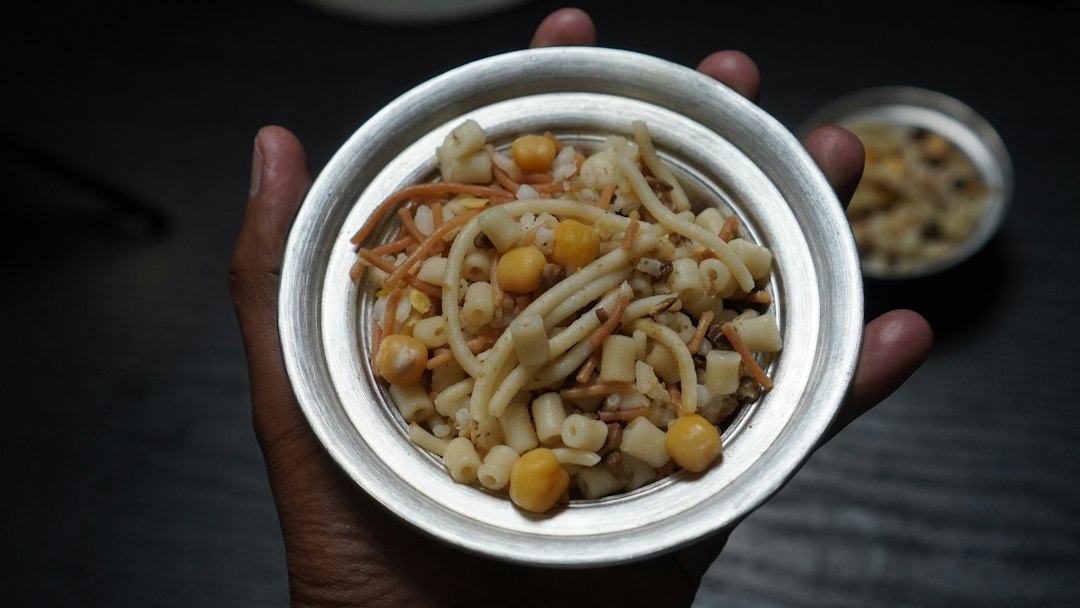
A filling mix of rice, pasta, lentils and chickpeas topped with tomato sauce and fried onions. Egypt’s official tourism portal presents koshary as one of the country’s signature dishes and notes that the basic combination is suitable for vegetarians and vegans. Always check sauces and toppings if you have specific dietary requirements.
4. Molokhiya
A green soup or stew made from finely chopped molokhiya leaves, usually flavored with garlic and coriander. It can be served with rice or bread and may accompany meat or poultry depending on the restaurant.
5. Mahshi
Vegetables stuffed with seasoned rice and herbs, with variations depending on region and household. You may see peppers, courgettes, vine leaves or other vegetables prepared this way.
6. Kofta
Seasoned minced meat grilled in elongated shapes and commonly served with bread, salads and tahini. It is an easy introduction to Egyptian grilled food if you prefer a familiar style of meal.
7. Kebab
Grilled meat remains a classic restaurant choice and is often served alongside kofta and small salads. Portions and meat cuts vary, so ask what is included rather than assuming every mixed grill is the same.
8. Alexandrian kebda
A spicy liver specialty associated with Alexandria, commonly served as a sandwich with garlic and cumin. It is a good example of how regional dishes can differ from the menus you see in Cairo or tourist resorts.
9. Eish baladi
Egyptian flatbread is central to many meals and often functions as both accompaniment and utensil. If several dips, beans or salads arrive at the table, bread is usually part of the meal rather than a separate course.
10. Feteer
A layered pastry that can be served sweet or savory. Fillings and presentation vary widely, so it is worth asking whether a particular version is intended as breakfast, a savory meal or dessert.
11. Umm Ali
A warm baked dessert made with pastry or bread, milk, sugar and toppings such as nuts or raisins. It is rich enough that sharing can make sense after a large meal.
12. Ruz bil laban
Egyptian rice pudding is a simple, familiar dessert found in many restaurants and homes, sometimes served plain and sometimes with additional toppings.
What to try at breakfast, lunch and dinner
- Breakfast: foul medames, taameya, eish baladi and local cheeses.
- Quick lunch: koshary or a taameya/kebda sandwich, depending on your diet.
- Sit-down dinner: molokhiya, mahshi, kofta, kebab or a mixed selection of grilled foods and salads.
- Dessert: Umm Ali or ruz bil laban.
This follows the broad meal examples highlighted by Egypt’s official tourism portal, but menus and serving styles vary by region and restaurant.
Vegetarian and vegan-friendly choices
Foul, taameya and koshary are especially useful staples for travelers avoiding meat. Mahshi can also be plant-based, but fillings and cooking methods vary. Ask whether butter, meat stock or animal-based toppings are used if that matters to you.
Allergies and dietary restrictions
Do not rely only on the name of a dish. Nuts, sesame/tahini, dairy, gluten and cross-contact can appear in sauces, breads and desserts. If you have a serious allergy, carry a translated allergy card and confirm ingredients directly with the restaurant.
How to order without over-ordering
Egyptian meals can include bread, salads, dips and side dishes in addition to the main plate. When eating with other people, order a few dishes to share first and add more if necessary instead of assuming every person needs a separate large main course.
Street food versus restaurant meals
Busy stalls with high turnover can be useful for simple foods such as taameya or koshary, while a sit-down restaurant makes more sense when you want grilled meats, multiple dishes or time to ask about ingredients. For any street-food stop, use the same practical checks you would elsewhere: food should be cooked and handled properly, surfaces should look reasonably clean and ingredients should not appear to have been sitting unrefrigerated for long periods.
Official food reference
Egypt’s official tourism portal, Experience Egypt, highlights foul, taameya, koshary, molokhiya, Alexandrian kebda, mahshi, grilled meats and traditional desserts such as Umm Ali and ruz bil laban.
Build food into the rest of the trip
For destination planning, see our Egypt Travel Guide. If food is a major reason for traveling, compare our Best Culinary Destinations guide and our Travel Planning Guide.
Last reviewed: September 2026. Restaurant menus, opening hours and ingredients can change; confirm dietary requirements directly with the venue.