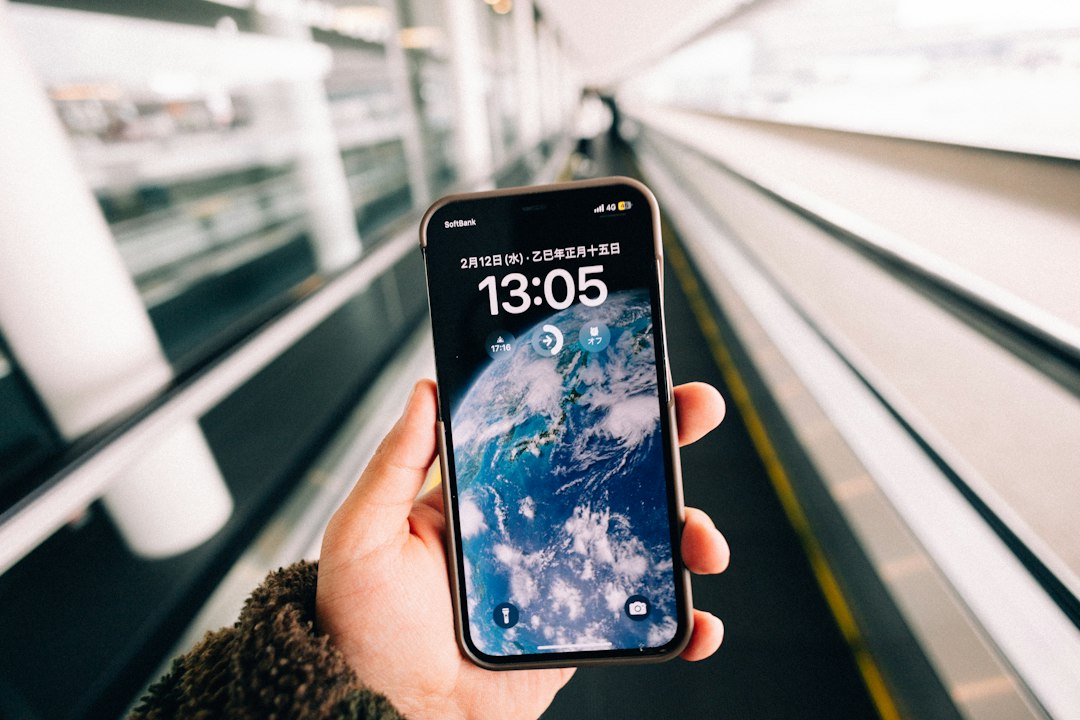
The most useful travel hacks are not secret loopholes. They are small systems that reduce wasted time, unnecessary fees or avoidable stress. A good hack should make the trip more reliable, not depend on staff making an exception.

The best travel hacks remove friction rather than create complicated systems. Photo: Margo Evardson / Unsplash.
1. Compare nearby dates before changing destination
A shift of one or two days can change flight and hotel prices dramatically. Check date flexibility before sacrificing location or comfort.
2. Compare the total trip cost, not the flight price
Cheap flights can become expensive after baggage, airport transfers, seat fees or a hotel night caused by an awkward schedule. Compare the complete journey.
3. Save important information offline
Keep hotel addresses, tickets, booking references and key routes accessible without mobile data. A screenshot or downloaded PDF is often faster than opening an app under pressure.
4. Use one master trip folder
Store confirmations, insurance, transport and reservations in one digital folder. Searching several email threads at an airport is unnecessary friction.
5. Group sightseeing geographically
Moving efficiently between nearby sights often saves more time than adding another attraction to the itinerary. Build each day around one area whenever possible.
6. Check the official hotel rate
After finding a property on a comparison site, check the hotel’s own website for different cancellation terms, member prices or useful inclusions. Compare the same room and dates.
7. Pack one complete change of clothes in hand luggage
On long-haul or checked-baggage trips, a spare set of basic clothing can make a delayed suitcase much less disruptive.
8. Separate essential medication and valuables from checked luggage
Anything you genuinely need during the first day of the trip should travel with you where airline rules allow. A cheap replacement T-shirt is easy; essential medication may not be.
9. Keep secure copies of key documents
Store copies separately from the originals. Do not rely on a single phone if losing it would remove every ticket, insurance document and passport copy at once.
10. Recheck refundable bookings before the deadline
If a hotel can be cancelled without penalty, recheck the rate before the free-cancellation deadline. Never cancel the original until the replacement is confirmed.
11. Carry an empty reusable water bottle through security
Where airport rules allow, refill it after security rather than repeatedly buying small bottles.
12. Check transport before choosing the cheapest hotel
A distant hotel can erase its price advantage through taxis, parking or long daily journeys. Map the route to the places you actually intend to visit.
13. Screenshot the final approach
Save the station exit, hotel entrance, parking instructions or bus stop. The last 500 metres are often where poor signal creates the most confusion.
14. Keep the first evening simple
Immigration, baggage delays and transfers make arrival time uncertain. A prepaid dinner across the city is unnecessary pressure after a long trip.
15. Leave the final day partly flexible
Weather-dependent attractions and anything missed earlier can move into this space without breaking the trip.
16. Use one small “arrival pouch”
Keep the items you need immediately after landing—charging cable, pen, glasses, basic toiletries, local SIM/eSIM details and transport confirmation—in one accessible place instead of unpacking the whole bag.
17. Download the map area before travel
Offline maps reduce dependence on roaming and help when underground stations or rural areas have weak coverage.
18. Add the hotel address in the local language
In destinations where the local script differs from yours, keep the address written exactly as a taxi driver or local resident would recognize it.
19. Use two payment methods
Do not rely on one physical card. A second card stored separately can prevent a blocked or lost card from becoming a trip emergency.
20. Decline unnecessary currency conversion
When a terminal or ATM offers to convert the charge into your home currency, compare the exchange terms carefully. “Convenient” conversion can include a poor rate.
21. Weigh cabin baggage at home
Low-cost carriers can have strict weight and size rules. Checking before leaving home is cheaper than reorganizing a bag at the gate.
22. Photograph rental-car condition before driving away
Record visible damage, wheels and fuel level. Do the same at return if the drop-off is unattended.
23. Put one person in charge of each shared booking
For group trips, avoid several people making overlapping reservations. Assign flights, accommodation and activities to specific people and keep the confirmations in one shared location.
Which hacks save the most?
| Goal | Most useful habit |
|---|---|
| Save money | Flexible dates + total-cost comparison |
| Save time | Geographic daily planning |
| Reduce stress | Offline documents + simple arrival day |
| Reduce packing | Capsule clothing + laundry planning |
| Avoid disruption | Backup payment + copies + essential items in hand luggage |
Save on food by choosing neighborhoods, not viral restaurants
Food costs drop when you plan around areas with lots of everyday options instead of crossing a city for one famous restaurant. Our Cheap Eats in NYC and Cheap Eats in Los Angeles guides use neighborhoods, food types and total trip cost rather than short-lived price lists.
Travel hacks to ignore
Be cautious with tricks that depend on misleading hotel staff, violating airline rules, hiding guests, abusing refunds or assuming a loophole works everywhere. “Hidden-city” ticketing and similar tactics can conflict with airline terms and create baggage or itinerary problems.
Use systems, not tricks
The best travel habits work repeatedly: organize documents, compare total cost, build realistic transfer time and keep backups. Those habits are less exciting than a viral hack, but much more useful.
For deeper planning, see the Travel Planning Guide, Packing Light Guide and Best Travel Apps.
Last reviewed: September 2026.