Recommended for you
Cantabria Food Guide: A Culinary Journey Through Northern Spain
Cantabria, nestled along Spain’s verdant northern coast, is a region often overshadowed by the culinary fame of its neighbors, the Basque Country and Galicia. However, for the discerning traveler, this rugged land where the Picos de Europa mountains crash into the wild Atlantic offers a distinctive and superior gastronomic heritage. This comprehensive Cantabria food guide explores a cuisine that celebrates the purity of local ingredients—a perfect marriage between the bounty of the sea and the richness of the land. Far from being limited to fussy fine dining (though it boasts its share of Michelin stars), Cantabrian cooking is honest, hearty, and deeply reflective of the region’s soul.
The Pillars of Cantabrian Gastronomy
Before diving into specific dishes, it is essential to understand the foundations that make this region a powerhouse of flavor:
- The Cantabrian Sea: With a coastline defined by cold, nutrient-rich waters, seafood is the protagonist here. Expect incredibly fresh fish and shellfish prepared with minimal intervention to let natural flavors shine.
- Mountain Fare: The interior’s rugged terrain dictates a diet of hearty stews, game meats, and robust dishes designed to sustain shepherds and hikers alike.
- Premium Dairy: The emerald-green pastures of Cantabria produce some of Spain’s finest milk, leading to an exceptional variety of cheeses, yogurts, and butter-heavy desserts.
- Seasonality: Cantabrians are fiercely proud of their huerta (vegetable gardens). Menus change with the seasons, ensuring that produce is always at its peak.
Must-Try Dishes in Your Cantabria Food Guide
To truly experience the region, you cannot leave without sampling these quintessential specialties:
1. Cocido Montañés
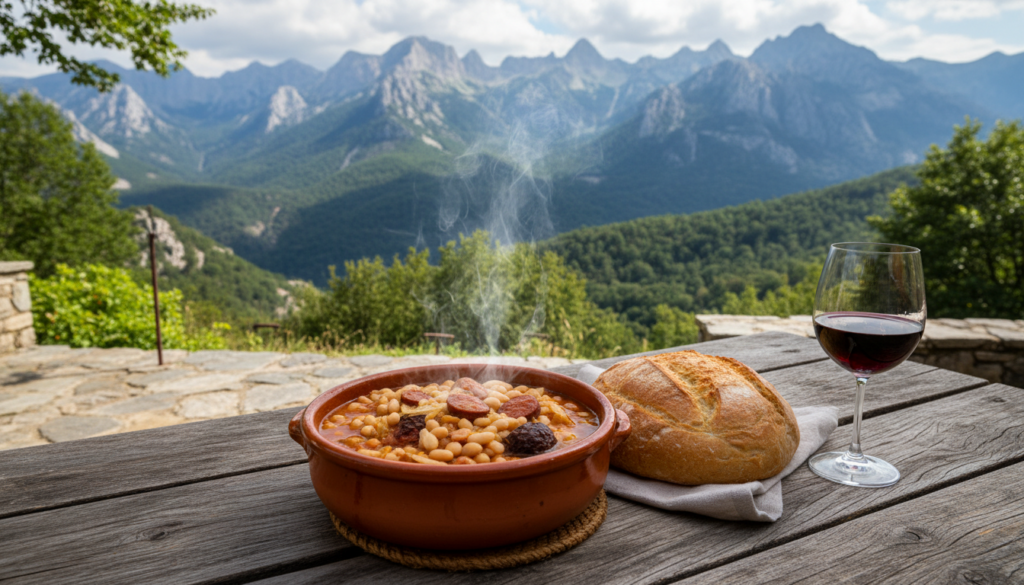
This heavy mountain stew is perhaps the most iconic dish of the region. Unlike other Spanish stews, the Cocido Montañés does not use chickpeas. Instead, it features white beans (alubias blancas), collard greens (berza), and the compango—a collection of meats including blood sausage (morcilla), chorizo, and pork ribs. It is a calorie-dense, comforting meal perfect for a rainy northern day.
2. Cocido Lebaniego
Hailing specifically from the Liébana Valley, this variant swaps the beans for chickpeas. It creates a completely different texture and flavor profile, though it remains a hearty, stick-to-your-ribs classic.
3. Sorropotún (Marmita)
A fisherman’s staple, this is a simple yet flavorful tuna pot. Fresh bonito is stewed with potatoes, onions, green peppers, and tomatoes. It is similar to the Basque marmitako but possesses its own distinct local flair.
4. Anchoas de Santoña
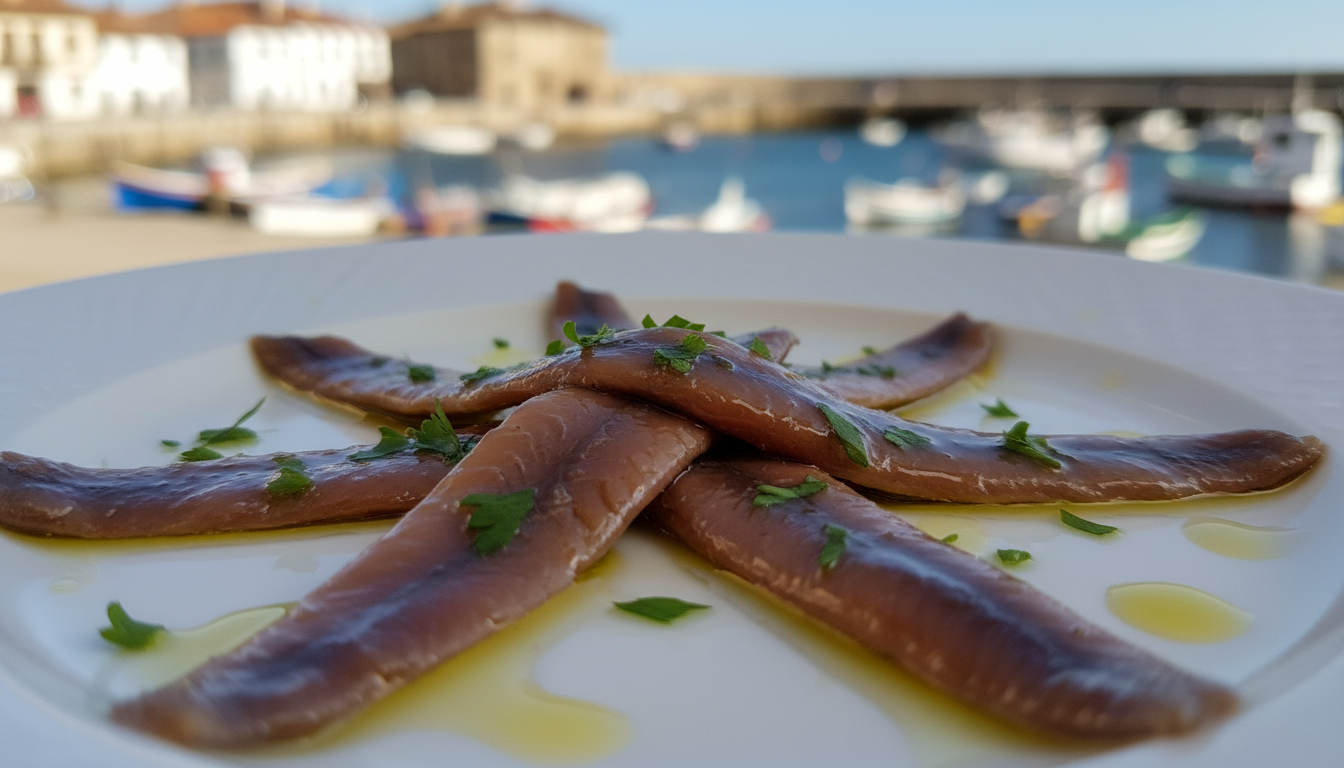
Santoña is the world capital of anchovies. Forget the overly salty, dry versions you may have had elsewhere. Here, the anchovies are hand-filleted and preserved in high-quality olive oil. They are buttery, savory, and often served alone as a premium appetizer.
5. Bonito del Norte
Caught in the Cantabrian Sea during the summer campaign, this white tuna is a delicacy. Whether grilled (a la plancha), preserved, or served in fresh salads, its texture is akin to a fine steak.
6. Regional Cheeses
Dairy lovers must try Queso de Nata de Cantabria, a creamy, mild cow’s milk cheese that melts beautifully. For something bolder, seek out Quesucos de Liébana, small, smoked cheeses that pack a punch of flavor.
7. Sobaos and Quesadas
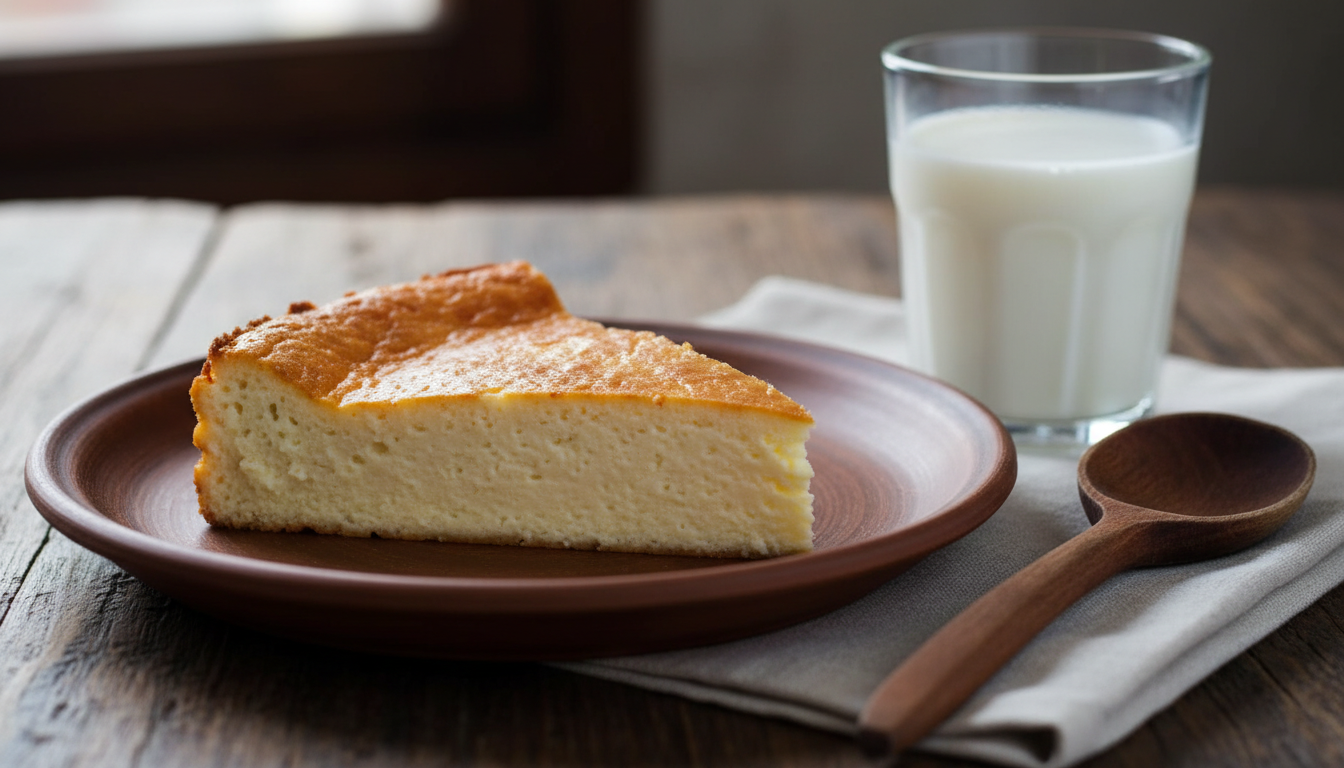
No meal is complete without sweets. Sobaos Pasiegos are rich, buttery sponge cakes with a dense crumb, traditionally dipped in a bowl of milk. Quesada Pasiega is a dense, pudding-like cheesecake made with fresh curd, eggs, sugar, and lemon zest.
Where to Eat: From Rustic Taverns to Michelin Stars
Cantabria’s dining scene ranges from humble family-run establishments to world-class innovation.
Traditional & Rustic
- Bodega del Riojano (Santander): An artistic and culinary institution known for its painted wine barrels and flawless traditional plates.
- Casa Cayo (Potes): A favorite in the mountains for authentic Cocido Lebaniego.
- Restaurante El Remedio (Ruiloba): Offers stunning views of the coast paired with refined traditional recipes.
Modern & Innovative
- El Cenador de Amós (Villaverde de Pontones): A three-Michelin-star experience that reinterprets the region’s flavors with avant-garde techniques. A true destination for gourmands.
- La Bicicleta (Hoznayo): Another Michelin-starred gem that focuses heavily on sustainability and local sourcing.
Coastal Gems
- Restaurante El Puerto (Santoña): Located in the heart of anchovy country, this is essential for seafood purists.
- Restaurante La Marinera (Santander): Famous for its vast selection of the day’s catch and shellfish platters.
Traveler Tips for Dining in Cantabria
Timing is Everything: Lunch is the main event here. Look for the Menú del Día between 1:30 PM and 3:30 PM for high-quality food at exceptional value.
Drink the Cider: While Asturias is famous for cider, Cantabria shares this tradition. It is typically natural (uncarbonated) and poured from a height to aerate the beverage.
Explore Inland: While the coastal seafood is legendary, do not neglect the inland valleys. The mountain cuisine offers a rustic charm that defines the region’s character.
Explore More European Culinary Adventures:
Conclusion
Cantabria’s gastronomic scene is a hidden jewel in Europe, offering a perfect blend of sea and mountain flavors. This Cantabria food guide serves as your starting point, but the true joy lies in discovery. Whether you are cracking open a crab in San Vicente de la Barquera or warming up with a stew in the Picos de Europa, you are experiencing a culture that expresses its history through its ingredients. Go beyond the beaches and savor the authentic taste of the north.