Recommended for you
The Ultimate Hong Kong Travel Guide: My Personal Experience
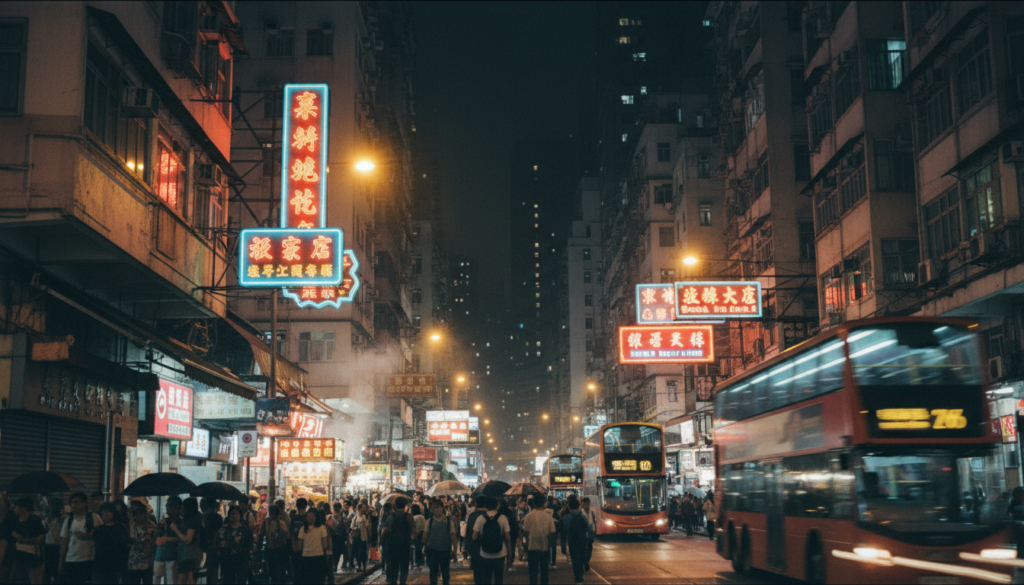
Hong Kong. The name alone evokes vivid imagery of dazzling neon signs, frenetic markets, and the iconic silhouette of the skyline against the mountain backdrop. Crafting the ultimate Hong Kong Travel Guide requires diving deep into this sensory overload. After a recent, deeply immersive journey to this electrifying metropolis, I can confirm that the reality far exceeds the reputation. It is a captivating fusion of old and new that leaves every traveler eager for more.
When I first touched down at Hong Kong International Airport and boarded the hyper-efficient Airport Express, I knew I was in for a unique adventure. The transition from lush, green mountain peaks to towering residential skyscrapers happens in the blink of an eye. This comprehensive Hong Kong Travel Guide is born from my firsthand experiences—the missteps, the breathtaking views, the unexpected culinary triumphs, and the quiet moments found within the city’s hidden temples. If you are planning a trip, consider this Hong Kong Travel Guide your definitive blueprint for navigating Asia’s World City.
1. Decoding the Geography: The First Step in Your Hong Kong Travel Guide
Before you even begin packing your bags, any reliable Hong Kong Travel Guide must establish a fundamental understanding of the territory’s layout. Hong Kong is not just one big landmass; it is a fascinating, fragmented collection of islands and peninsulas. The two main hubs you will spend the most time in are Hong Kong Island and the Kowloon Peninsula. They are separated by the famous Victoria Harbour, a bustling waterway that is as much a tourist attraction as it is a vital shipping route.
Hong Kong Island is the historic, financial, and political heart of the territory. This is where you will find the towering skyscrapers of Central, the vibrant nightlife of Lan Kwai Fong, and the historic double-decker trams rattling along the northern shore. On the flip side, Kowloon—situated on the mainland—is raw, densely populated, and unapologetically energetic. It boasts some of the best street food, night markets, and authentic local experiences. Beyond these two giants lie the New Territories (stretching up to the border with mainland China) and the Outlying Islands, such as Lantau and Lamma, which offer incredible escapes from the urban density. Throughout this Hong Kong Travel Guide, we will explore the distinct personality of each zone.
2. Getting Around: Navigating the Concrete Jungle
Navigating the concrete jungle is surprisingly seamless. When I first began drafting this Hong Kong Travel Guide, I was amazed by how effortless transportation was. The MTR (Mass Transit Railway) is a marvel of modern engineering—punctual, spotless, air-conditioned, and connecting nearly every corner of the territory. The absolute first thing you must do upon arrival is purchase an Octopus Card. This ubiquitous smart card pays for trains, buses, ferries, and even your snacks at 7-Eleven. It is the golden key to unlocking the city, and mentioning it is a staple of any good Hong Kong Travel Guide.
However, for a slower pace, the iconic Star Ferry chugging across Victoria Harbour is not just transportation; it is an essential experience offering panoramic views of both Hong Kong Island and Kowloon. The smell of the sea breeze, the rumble of the vintage engine, and the spectacular skyline rolling past for the cost of mere cents make it one of the best bargains in the world. Meanwhile, on the island side, do not miss the historic double-decker trams. Known locally as “Ding Dings” due to their distinctive warning bells, they are an incredibly affordable and charming way to soak in the local atmosphere as you rattle through the bustling streets of Wan Chai and Central. Just head to the upper deck, open the window, and let the city’s neon lights wash over you.
3. Where to Base Yourself: Accommodation Tips
A frequently asked question when compiling a Hong Kong Travel Guide is: “Where should I stay?” Because space is at an absolute premium, hotel rooms tend to be smaller than what you might be used to in the West, but they are incredibly well-designed. If it is your first time visiting, I highly recommend staying in either Tsim Sha Tsui (TST) in Kowloon or Central/Sheung Wan on Hong Kong Island.
TST offers unparalleled views across the harbor looking back at the island’s skyline. It is perfect if you want to be within walking distance of the Star Ferry, major museums, and sprawling shopping malls. If you prefer to be amidst the colonial history, trendy coffee shops, and world-class dining, Sheung Wan is my personal favorite. It provides a slightly quieter, more artistic vibe while still being incredibly connected to the rest of the city. If you are a traveler who prefers hunting for deals, you might want to check out our comprehensive guide on How to Find the Best Deals on Hotel Rooms to make your budget stretch further in this notoriously expensive city.
4. Must-See Sites: Expanding Your Hong Kong Travel Guide Itinerary
Every traveler’s bucket list is different, but a definitive Hong Kong Travel Guide requires a rundown of the absolute must-visit attractions. During my week-long stay, I pushed myself to see both the famous landmarks and the hidden corners. Here is what should make it onto your itinerary:
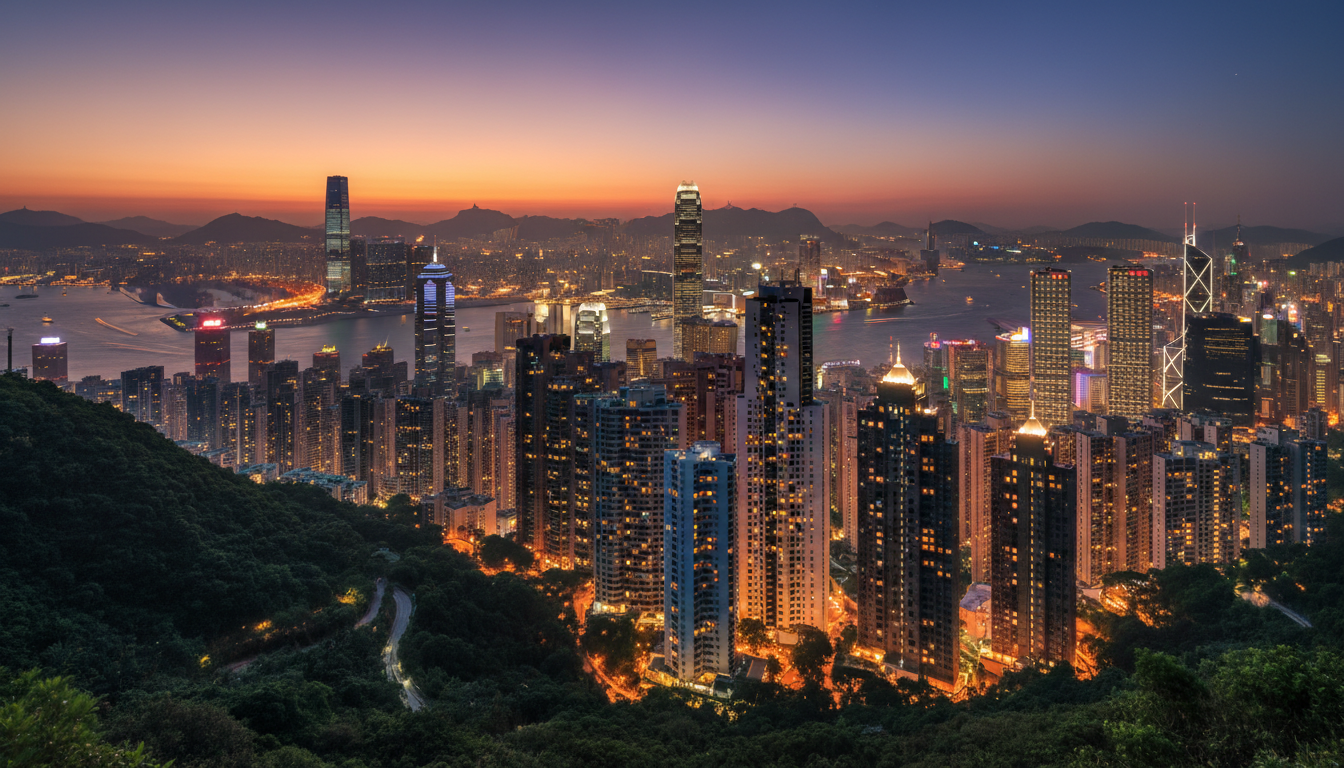
- Victoria Peak (The Peak): No Hong Kong Travel Guide is complete without mentioning The Peak. Whether you board the historic Peak Tram or take a scenic taxi ride up the winding mountain roads, the summit offers a breathtaking sweep of the skyline. My pro tip? Skip the crowded Sky Terrace and walk the 3.5-kilometer Lugard Road loop. It offers unobstructed, 360-degree views of the sprawling metropolis entirely for free. Visit an hour before sunset to watch the daytime fade and the city lights flicker to life.
- Big Buddha (Tian Tan Buddha) & Po Lin Monastery: Escape the urban frenzy by taking a day trip to Lantau Island. The Ngong Ping 360 cable car ride to get there is an adventure in itself, suspending you over lush green peaks and the glittering sea. The climb up 268 steps to the massive bronze giant is rewarded with awe-inspiring views. Adjacent is the Po Lin Monastery, a colorful sanctuary of Buddhist tradition where you can enjoy an incredible vegetarian meal prepared by the monks.
- Temple Street Night Market: Dive headfirst into the chaotic beauty of a traditional Kowloon market. Here, under strings of bare lightbulbs, you can haggle for jade trinkets, listen to amateur Cantonese opera singers, and sample spicy crab from outdoor food stalls. It is raw, noisy, and an utterly authentic experience that every Hong Kong Travel Guide should highlight.
- Wong Tai Sin Temple: A kaleidoscope of colors and spiritual activity, this Taoist temple is famous for supposedly granting any wish. The air is thick with the smoke of incense as locals and visitors alike shake fortune sticks to divine their future. It is a beautiful contrast to the hyper-modern shopping malls just a few blocks away.
- Man Mo Temple: Hidden amidst the antique shops and steep steps of Sheung Wan, this atmospheric temple is dedicated to the gods of Literature and War. Giant coils of incense hanging from the ceiling create a mystical, smoky ambiance that transports you back to the 1800s. It was easily one of the most photogenic stops in my personal Hong Kong Travel Guide.
5. The Culinary Journey: What to Eat in Hong Kong
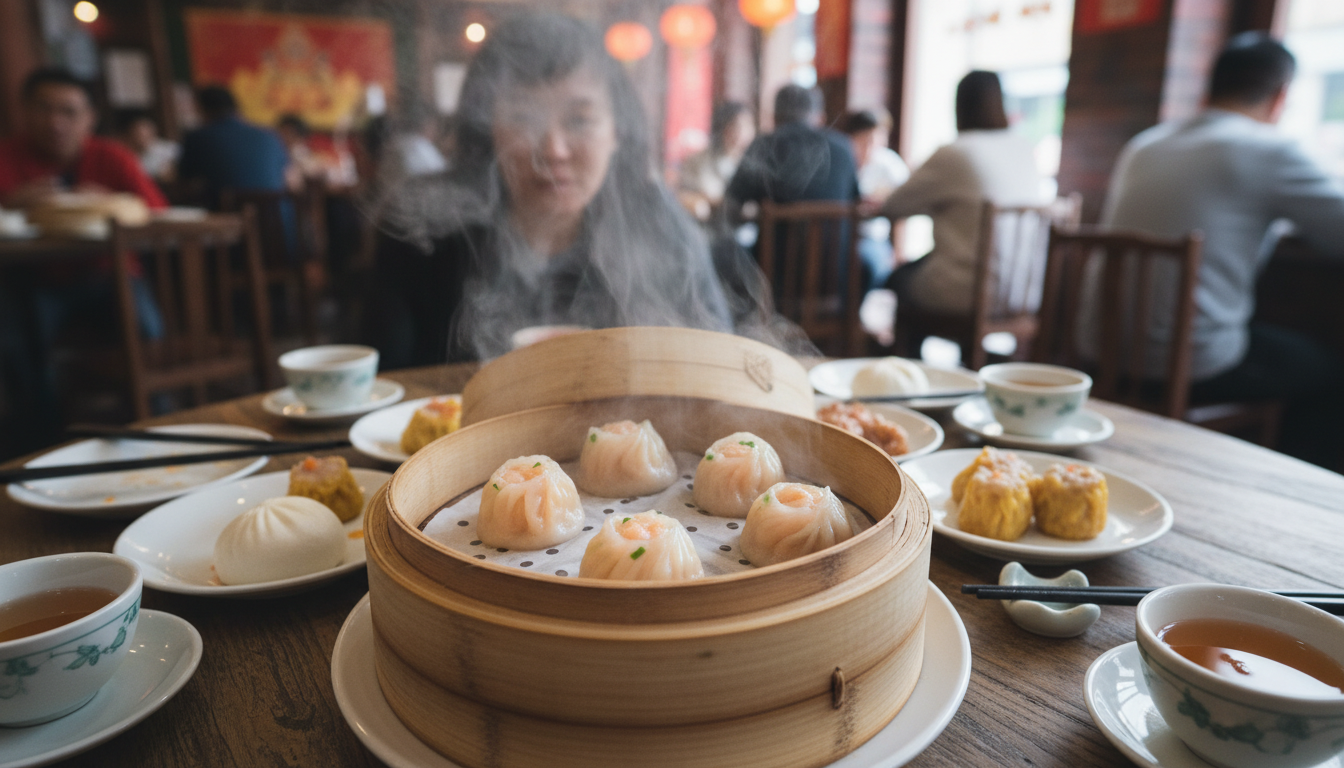
Hong Kong is arguably the world’s greatest food city, catering to every imaginable budget and palate. If you are passionate about global cuisines, you understand why food forms the backbone of this Hong Kong Travel Guide. The absolute cornerstone of local dining is Dim Sum. This Cantonese tradition of “touching the heart” involves a massive feast of steamed, baked, and fried dumplings served in small bamboo baskets. Head to a bustling, multi-story tea house early in the morning. Do not wait for a hostess; find an empty seat, wash your utensils in the hot tea provided, and point at whatever looks delicious on the passing carts. The fresh har gow (shrimp dumplings) and siu mai (pork and shrimp dumplings) will ruin you for any other dim sum in the world.
Beyond dim sum, you must try a local “Cha Chaan Teng” (traditional Hong Kong diner). These fast-paced eateries serve a unique fusion of Western and Chinese comfort food. My go-to order became a crispy pineapple bun with a thick slab of cold butter inside, washed down with incredibly strong, sweet milk tea. In the evenings, seek out a “Dai Pai Dong”—an open-air food stall serving wok-fried dishes bursting with ‘wok hei’ (the breath of the wok). For those who love exploring gastronomy on the road, I highly suggest reading more in our article about Travel for Foodies: Exploring Culinary Destinations.
6. Escaping the Concrete: Nature and Hiking
A surprising fact that I love highlighting in this Hong Kong Travel Guide is that roughly 70% of Hong Kong is actually green space, consisting of mountains, country parks, and beaches. When the sheer density of the city started to overwhelm me, I laced up my hiking boots. The Dragon’s Back is perhaps the most famous urban hike in Asia. A short bus ride from the skyscrapers of the eastern island drops you at the trailhead. Within twenty minutes, you are walking along a spectacular coastal ridge with sweeping views of the South China Sea and hidden sandy coves.
If you want an even slower pace, take a ferry to Lamma Island. This car-free island is a haven for expats, hippies, and seafood lovers. Walking from the main village of Yung Shue Wan to the secluded Sok Kwu Wan takes about two hours, winding through lush jungle and past sleepy beaches. You end the hike by sitting on a wooden deck over the water, eating freshly caught garlic prawns and drinking a cold beer. It is a side of the territory that many generic itineraries ignore, but it is a critical component of a comprehensive Hong Kong Travel Guide.
7. Budgeting and Essential Money Matters
Let’s talk practically for a moment in this Hong Kong Travel Guide. Is the city expensive? Yes, it certainly can be. Accommodation and alcohol are notably pricey. However, public transport is incredibly cheap, and you can eat a Michelin-starred meal at Tim Ho Wan for under $15. Most major shops, restaurants, and hotels accept credit cards, but you absolutely must carry cash. Smaller vendors, night markets, and traditional taxis are almost exclusively cash-based. Tipping is not generally expected in local eateries, though high-end restaurants will automatically add a 10% service charge to your bill.
8. Best Time to Visit and Weather Considerations
When compiling your personal Hong Kong Travel Guide, timing is everything. The summers (June to August) are brutally hot, immensely humid, and prone to typhoons. I vividly remember stepping out of an air-conditioned mall during my summer visit and feeling like I walked into a wet sauna. The absolute best time to visit is from late October to early December, when the skies are clear, the humidity drops, and the temperatures are comfortable enough for extensive hiking and exploring. Spring can be pleasant but brings unpredictable rain and fog that might obscure those legendary peak views.
9. Packing Light for a Dense City
Because you will be doing an immense amount of walking, dealing with changing microclimates (sweeltering streets to freezing air-conditioned malls), and dragging luggage into tiny hotel elevators, packing smart is vital. In this Hong Kong Travel Guide, I advocate for the carry-on lifestyle. Bring moisture-wicking clothing, a high-quality pair of walking shoes, and a light jacket for the aggressive indoor air conditioning. If you struggle with overpacking, you will find excellent strategies in The Ultimate Packing Light Guide: Travel Smart & Carry-On Only.
10. Culture Shock and Language Barriers
As a final note in this Hong Kong Travel Guide, do not let the fear of a language barrier stop you. English is an official language alongside Cantonese, and nearly all street signs, MTR announcements, and restaurant menus are bilingual. However, the culture can feel abrupt to a newcomer. The service in traditional local restaurants is notoriously fast and transactional—do not mistake efficiency for rudeness. Embrace the fast-paced energy. The people of Hong Kong are incredibly hardworking, proud of their distinct heritage, and generally very helpful to respectful visitors.
Final Thoughts on Your Hong Kong Adventure
Whether you are seeking spiritual solace at the Big Buddha, the thrill of haggling at a chaotic night market, or the simple joy of an impeccably steamed dumpling, this Hong Kong Travel Guide only scratches the surface of what the city has to offer. It is a destination that demands to be explored with an open appetite, a sturdy pair of walking shoes, and a profound sense of wonder. If you are building out an extended Asian itinerary, checking out 7 Days in Singapore offers a brilliant comparison between Asia’s two greatest city-states. Hong Kong gets under your skin, its neon reflection forever stamped in your memory long after your flight home has departed.