Recommended for you
Uncovering the Importance of Historical Monuments and Landmarks
From the Eiffel Tower standing tall in Paris to the ancient grandeur of the Great Wall of China, monuments and landmarks draw millions of visitors every year. However, the importance of historical monuments extends far beyond their photogenic qualities or architectural prowess. What is it that makes these places more than just piles of bricks and stones? Why are we so captivated by these enduring structures?
Whether you are a travel enthusiast plotting your next adventure, a history buff uncovering tales of the past, or simply planning a memorable family getaway, this article dives deep into why these sites hold such universal appeal. By exploring their emotional pull, historical significance, and cultural identity, we uncover what truly makes these destinations so vital to the human experience.
The Emotional Allure of Landmarks
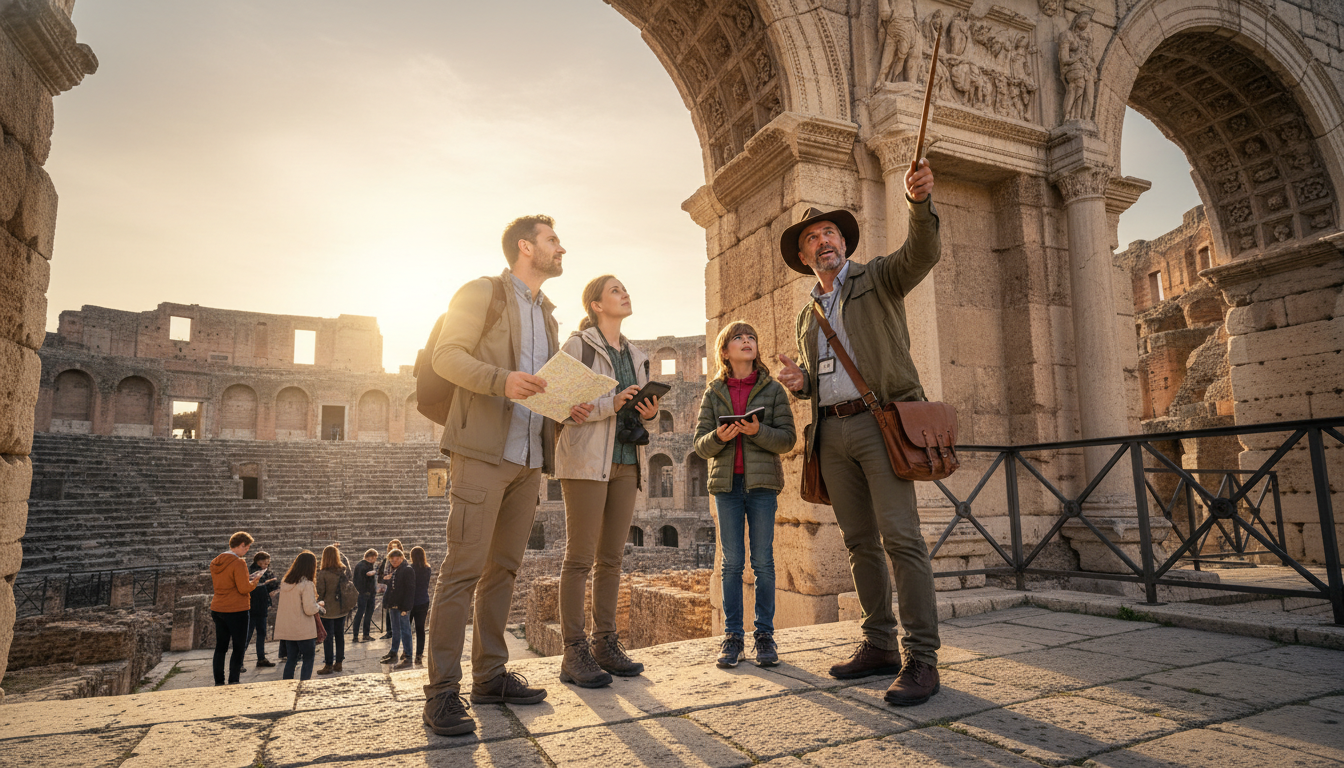
At their core, landmarks evoke profound emotion. There is something deeply moving about standing in a spot where history unfolded or where a city’s identity shines brightest.
Emotional and Cultural Resonance
For many, visiting a landmark is an act of connection rather than mere sightseeing. These locations often symbolize resilience, triumph, or cultural pride. Take the Statue of Liberty, for instance. Its towering presence tells a story of hope and new beginnings for countless immigrants who first saw it from their ship decks, symbolizing the gateway to a new life.
Similarly, sites like the Taj Mahal offer a deeply personal connection by representing eternal love and devotion. Whether it is national pride, awe, or reverence, the importance of historical monuments lies in their ability to tap into our emotions, reminding us of the values and stories that define us.
Awe and Inspiration
Let’s be honest—there is nothing quite like your first glimpse of an icon. The feeling of standing under Italy’s colossal Colosseum or marveling at Mount Rushmore’s larger-than-life carvings can truly take your breath away. These experiences leave an indelible mark, inspiring both creativity and a fresh perspective on our place in the world.
Historical Value and Educational Journeys
Walking through the halls of a historical monument is akin to traveling through time. These sites serve as living history books, preserving the stories of our ancestors for future generations.
Preservers of Our Collective Memory
Landmarks like the Anne Frank House in Amsterdam or the battlefields of Gettysburg ensure that crucial lessons from history are not forgotten. They offer tangible connections to the past, helping visitors gain a deeper understanding of events that shaped the world as we know it today.
Some monuments even become cautionary tales. The Auschwitz-Birkenau Memorial reminds us of humanity’s darkest moments while urging us never to repeat them. Such locations are more than tourist spots—they are steadfast protectors of our collective memory.
Explore More History
If you love diving into the past, check out our guide on Discovering the Ancient Ruins of Europe for your next itinerary.
Experiential Learning
For families and educators, monuments provide a unique opportunity for experiential learning. Imagine teaching children about Egyptian history while gazing up at the Pyramids of Giza or explaining civil rights movements while visiting the Martin Luther King Jr. Memorial. These experiences bring history to life in a dynamic way that no textbook ever could.

Cultural Significance and Identity
Beyond their historical allure, monuments often become emblems of the cities and nations they reside in. They are more than structures—they are representations of what defines a place and its people.
Symbols of National Identity
Iconic landmarks like Big Ben or the Sydney Opera House are synonymous with their home countries. They embody culture, history, and pride, making them enduring symbols of national identity. For locals, these places provide a sense of community belonging, while for tourists, they offer a glimpse into the soul of another culture.
Economic and Tourism Drivers
Monuments are also economic powerhouses. Tourism surrounding landmarks boosts local economies, supports small businesses, and promotes global cultural exchange. It is estimated that major icons like the Eiffel Tower generate billions annually, underscoring how pivotal these sites are not just for cultural preservation but also for economic vitality.
Family Bonding and Personal Reflection
Monuments and landmarks are not just solitary experiences; they are shared adventures that strengthen family and community ties.
Bonding through Exploration
Family vacations often include trips to iconic sites, creating lasting memories for all generations. Whether it is snapping a photo in front of Mount Fuji or hearing a child’s excitement while exploring the Acropolis, these experiences bring loved ones closer together through shared discovery.
Reflecting on the Human Story
Think about the last landmark you visited. What memory comes to mind? Perhaps it is the laughter shared with friends or the quiet moment you spent taking it all in. Monuments create universal feelings of awe while offering deeply personal takeaways.
Conclusion: Why Monuments Matter
The importance of historical monuments goes far beyond their physical forms. These spaces serve as emotional touchpoints, historical keepers, cultural identifiers, and places for deep reflection. They educate and inspire us, foster connections between people, and remain timeless reminders of our shared humanity.
Next time you visit a landmark, take a moment to soak it all in. Whether you are standing atop the Eiffel Tower or walking through the quiet halls of a museum, remember that you are part of something much larger—a continuum of stories, emotions, and connections that transcend borders.