Recommended for you
The Ultimate Kenya Safari Guide: My Personal Journey into the Wild
There is a specific kind of magic that hangs in the air when you first touch down in Nairobi. The scent of dry red earth, the immediate warmth of the equatorial sun, and the distant, almost imperceptible hum of a wilderness that feels older than time itself. For years, I had dreamed of this exact moment. I had read countless books, watched endless wildlife documentaries, and imagined what it would actually feel like to lock eyes with a wild lion or watch a herd of elephants silently cross the plains. But nothing truly prepares you for the reality of the African bush. It is visceral, unpredictable, and deeply moving. This is exactly why I decided to put together this comprehensive Kenya safari guide. I want to share my personal experiences, the breathtaking moments that brought tears to my eyes, and the highly practical advice you need to plan your own unforgettable journey. A safari in East Africa is not merely a vacation; it is a profound, life-altering experience that reconnects you with the rawest elements of nature.
In this Kenya safari guide, we will deeply explore the sweeping, golden plains of the Maasai Mara, the dusty red roads of Tsavo, the majestic shadow of Mount Kilimanjaro in Amboseli, and everything in between. Whether you are a first-time traveler seeking the iconic Big Five or an experienced photographer looking for the perfect shot of the Great Migration, this Kenya safari guide is built entirely from first-hand experience to help you navigate the beautiful complexities of traveling through one of the most stunning countries on earth.
Why You Need a Comprehensive Kenya Safari Guide
Planning a trip to East Africa can feel incredibly overwhelming at first. The intricate logistics of booking bush flights, the endless choice between government-run national parks and private wildlife conservancies, deciding on the optimal season to travel, and figuring out what to actually pack are all crucial elements that can literally make or break your trip. I vividly remember sitting at my kitchen table before my first trip, staring blankly at a sprawling map of the country, feeling completely lost in a sea of lodge names and wildlife reserves. Having a reliable Kenya safari guide is absolutely essential because the landscape is vast, and every single region offers a distinctly different ecosystem and wildlife viewing experience.
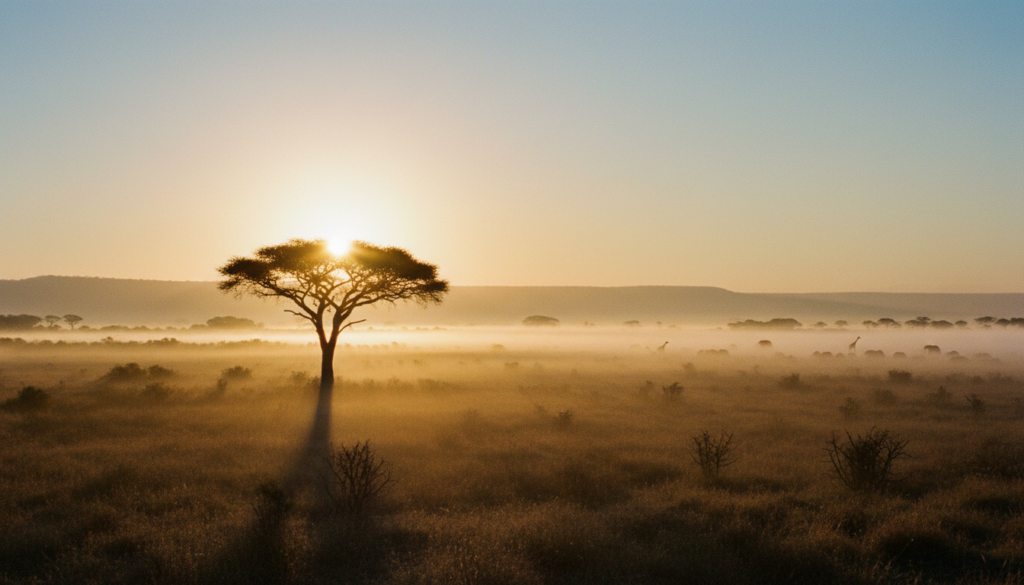
When reading through a proper Kenya safari guide, you quickly realize that you do not want to end up in a heavily wooded park when you are dreaming of wide-open savannahs, nor do you want to visit during the heavy rains if your primary goal is to witness a massive, chaotic river crossing. The sheer scale of the safari experience is what makes it so deeply memorable. It is not just about ticking animals off a laminated checklist; it is about the ancient rhythm of the days. Waking up at 4:30 AM to the sound of exotic birds, drinking strong local tea in the pitch dark, and driving out into the chill of the morning just as the sun begins to bleed orange across the horizon. It is about the heavy, respectful silence that falls over your Land Cruiser when a massive leopard gracefully steps out of the tall grass, moving like liquid gold. These are the transformative moments that change you, and meticulous planning ensures you are in the right place at the perfect time to experience them.
Top National Parks and Conservancies: Where to Go
This beautiful country is home to dozens of national parks, reserves, and private wildlife conservancies. While it might be wildly tempting to try and see them all in one chaotic trip, my best advice is to significantly slow down. Spend more days in fewer places to truly absorb the environment. Here are the absolute must-visit destinations that I insist you consider for your itinerary.
The Legendary Maasai Mara National Reserve
If you close your eyes and picture an African safari, you are almost certainly picturing the magnificent Maasai Mara. It is the undisputed crown jewel of the region’s wildlife areas. Characterized by endless rolling plains of golden grass and scattered, flat-topped acacia trees, the Mara is globally famous for its exceptional population of apex predators—lions, leopards, and cheetahs. During my time there, I was entirely captivated by the sheer, overwhelming density of life. Every single direction you look, there is something moving, breathing, surviving. Thomson’s gazelles grazing nervously, tall giraffes gracefully reaching into the thorny canopies, and spotted hyenas resting lazily in the shade. The Mara is also the dramatic stage for the world-renowned Great Migration. If there is one place that must absolutely be included in your Kenya safari guide, it is undoubtedly the Maasai Mara.
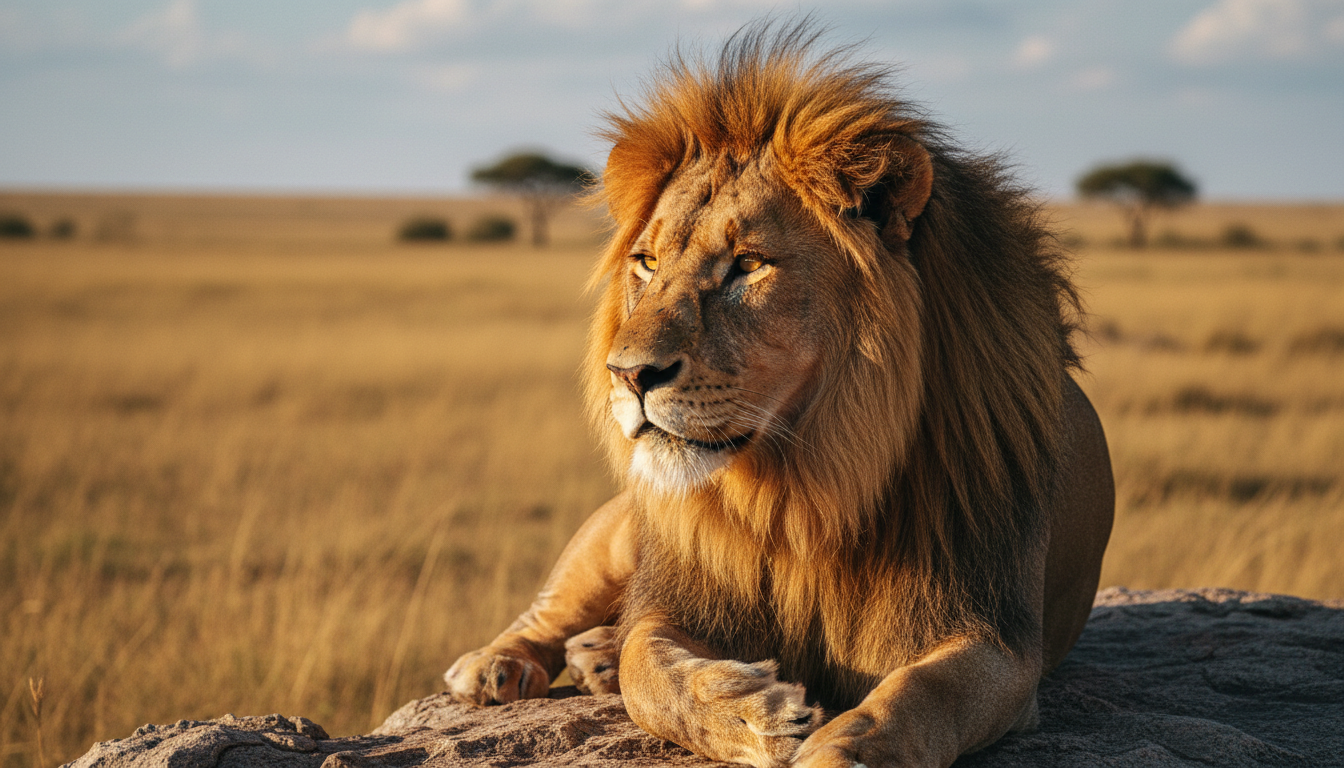
Amboseli National Park: In the Shadow of Kilimanjaro
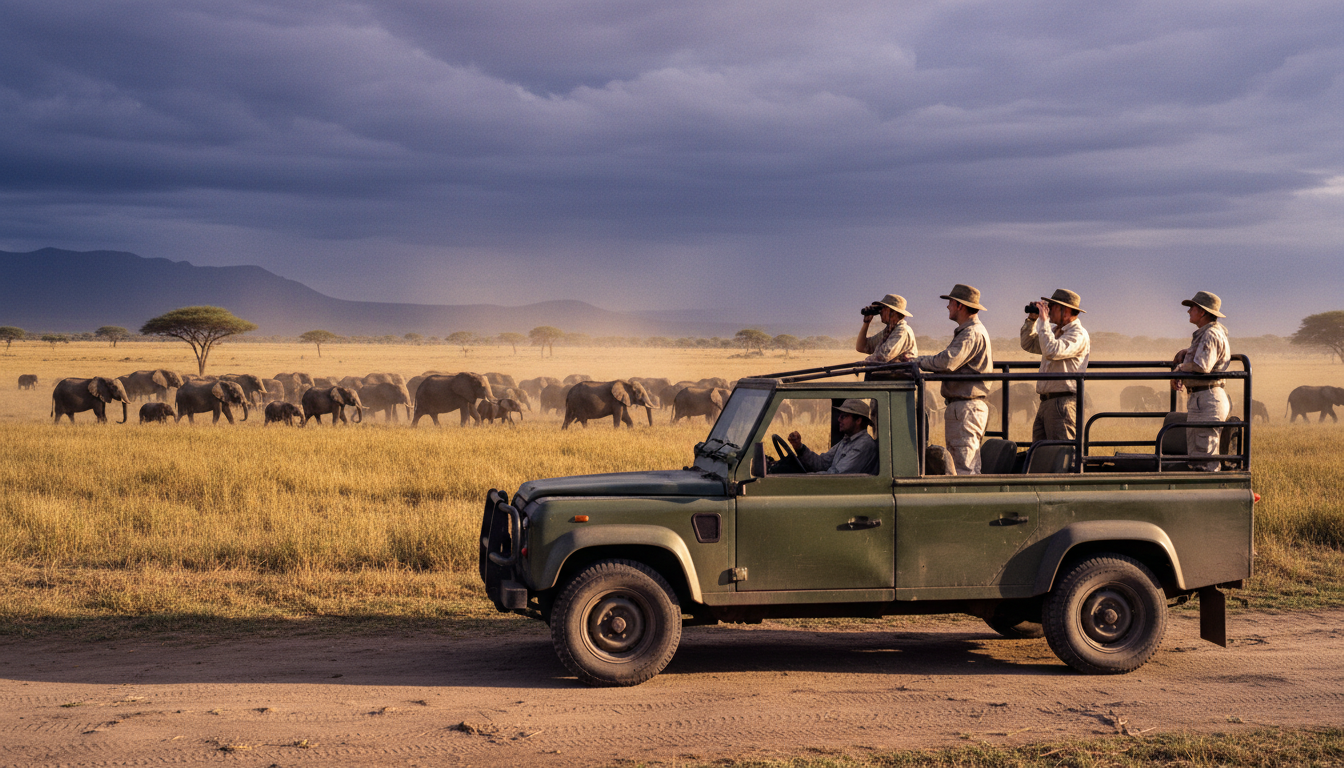
No Kenya safari guide is truly complete without mentioning the breathtaking beauty of Amboseli. It is a striking landscape of intense contrasts. Known worldwide for its massive, ancient herds of free-ranging elephants, the park sits right on the dusty border with Tanzania, offering the absolute best, unobstructed views of Mount Kilimanjaro, Africa’s highest peak. I can assure you that there is nothing quite like the sight of a massive bull elephant, its heavy tusks sweeping the dry ground, walking slowly across the plains with the towering, snow-capped peak of Kilimanjaro looming dramatically in the background. The park is heavily influenced by underground volcanic springs fed by the mountain’s melting snow, creating surprisingly lush, green swamps right in the middle of a dry, dusty environment. These swamps act as a vital oasis, drawing in hippos, buffalo, and an incredibly diverse array of aquatic birdlife.
Tsavo East and West: The Rugged Frontier
When researching for a dependable Kenya safari guide, you will frequently hear whispered tales about Tsavo. Together, Tsavo East and Tsavo West make up one of the largest, wildest national parks in the entire world. It is a harsh, rugged, unforgiving, and incredibly beautiful wilderness. Tsavo is famously home to the red elephants—named so because they love to enthusiastically cover themselves in the park’s rich, iron-oxide red dust to protect their sensitive skin from the blistering sun and biting insects. My long game drives through Tsavo felt distinctly wilder, rawer, and noticeably less crowded than the popular Mara. The harsh landscape here features jagged volcanic hills, ancient baobab trees, and the stunning Mzima Springs, where you can literally watch massive hippos and stealthy crocodiles swimming gracefully in crystal-clear water from an underground viewing chamber.
Samburu National Reserve: The Special Five
Located deep in the arid, semi-desert region of the striking northern territories, Samburu offers a completely different aesthetic and a highly unique ecosystem. The Ewaso Ng’iro river runs like a vital artery through the center, heavily lined with doum palms and thick riverine forests, acting as a crucial lifeline for the local wildlife. What makes Samburu truly special, and a staple of any advanced Kenya safari guide, is the remarkable presence of the Samburu Special Five—fascinating species that are incredibly rare or entirely absent in the southern parks. These include the strikingly intricate reticulated giraffe, the critically endangered and beautifully striped Grevy’s zebra, the bizarre long-necked gerenuk (which astonishingly stands on its hind legs to eat), the blue-legged Somali ostrich, and the majestic Beisa oryx. Visiting Samburu genuinely felt like discovering a closely guarded secret; a quieter, more intimate side of the bush.
Lake Nakuru and the Great Rift Valley
Adding the famous Lake Nakuru to your Kenya safari guide itinerary brings an unforgettable splash of vibrant color to your wild adventure. Nestled deep within the spectacular, plunging walls of the Great Rift Valley, Lake Nakuru is historically world-famous for its massive flocks of vibrant pink flamingos that thickly line the alkaline shores, creating a stunning, almost surreal visual contrast against the shimmering blue waters and dark green surrounding forests. But beyond the famous birds, this compact park is one of the absolute best places on the continent to reliably spot both black and white rhinos. The entire park is fully fenced and heavily guarded to fiercely protect these highly endangered, prehistoric-looking giants, making it a fantastic, uplifting conservation success story. The serene sight of a massive rhino grazing peacefully under the dappled shade of a yellow fever tree is an image I will deeply cherish forever.
Ol Pejeta Conservancy: Rhinos and Chimpanzees
A modern, responsible Kenya safari guide must passionately highlight ongoing conservation efforts, and frankly, nowhere does this better or more effectively than the Ol Pejeta Conservancy in the sprawling Laikipia region. It is globally famous as the home to the very last remaining northern white rhinos on the entire planet, who are heavily guarded 24/7 by armed rangers to fiercely prevent extinction. Ol Pejeta also impressively hosts the Sweetwaters Chimpanzee Sanctuary, established in close partnership with the renowned Jane Goodall Institute to provide a safe, lifelong, enriching refuge to orphaned and horribly abused chimpanzees. The brilliant conservancy proudly operates with a highly innovative, sustainable model that successfully integrates commercial livestock farming with critical wildlife conservation, conclusively proving that profitable human and wildlife coexistence is entirely possible.
Understanding Kenya Safari Costs and Budgets
When compiling this Kenya safari guide, I received countless messages asking about the financial realities of such a trip. Let’s be completely transparent: a true African safari is a significant financial investment. However, there are options for various budgets. On the lower end, you can join group overland tours where you sleep in basic canvas dome tents in shared public campsites. You will still see the exact same magnificent animals as the luxury guests, but you trade high-end comfort for a much more rugged, authentic, campfire-centric experience.
Every complete Kenya safari guide should remind you to determine your absolute maximum budget early, and let that strictly dictate your planning process. Mid-range safaris typically involve comfortable, permanent tented camps with en-suite bathrooms and hot showers, offering a beautiful balance of authentic bush living and necessary comfort. On the opposite, breathtaking end of the spectrum, ultra-luxury lodges and exclusive private conservancies offer an unparalleled, mind-blowing level of opulence. Think enormous, climate-controlled glamping tents with private plunge pools overlooking the plains, deep clawfoot bathtubs, massive four-poster beds, and exquisite, gourmet multi-course meals served under the glittering stars by a private butler. Private conservancies also exclusively allow for off-road driving, thrilling night drives with spotlights, and guided walking safaris—incredible activities that are strictly prohibited in the main government national parks.
How to Use This Kenya Safari Guide to Craft Your Itinerary
The most common logistical question I get when sharing this Kenya safari guide is about ideal trip length. Honestly, a proper, unhurried safari requires an absolute minimum of seven to ten days on the ground. You have to carefully factor in the sheer, overwhelming size of the country. Driving between distant parks can literally take an entire, exhausting day on incredibly bumpy, deeply rutted, dusty roads. While bush flights on small, rattling light aircraft are significantly faster and offer truly spectacular, sweeping aerial views of the dramatic landscape, they will substantially increase your overall budget.
A key, non-negotiable piece of advice in any reputable Kenya safari guide is to aggressively avoid rushing. It is vastly, undeniably better to spend three peaceful nights in two distinctly different parks than one frantic night in six different parks. The wildlife operates entirely on its own unpredictable schedule. If you only generously give yourself one single day in the Maasai Mara, and it happens to rain heavily or the big cats are sleeping deep in the impenetrable bushes, you will leave bitterly disappointed. By staying significantly longer in one carefully chosen location, you dramatically and exponentially increase your chances of witnessing incredibly rare, magical behaviors, like an explosive cheetah hunt or a tender lioness nursing her tiny cubs in the golden light.
The Best Time to Go: A Core Chapter in This Kenya Safari Guide
Understanding the complex, shifting weather patterns is a foundational cornerstone of an excellent Kenya safari guide. It is a phenomenal, rewarding year-round destination, but your personal experience will vary drastically depending on the specific seasons. Here is exactly how I break it down for my fellow travelers.
The Dry Season & The Great Migration
The long dry season (typically from late June to October) is universally considered the absolute peak, premium time for exceptional game viewing. Because surface water is incredibly scarce, the animals are desperately forced to heavily congregate around the few remaining rivers, shrinking lakes, and permanent waterholes, making them incredibly easy for your guides to find. The grass is also grazed very short and turns dry and brown, meaning predators cannot easily hide, resulting in fantastic, unobstructed visibility for avid photography. As noted throughout this Kenya safari guide, witnessing a frantic, chaotic river crossing—where thousands of panicked animals blindly plunge into the muddy, violently crocodile-infested waters of the Mara River—is a breathtaking, heart-stopping display of primal survival. Just be acutely aware that this is also by far the busiest, most crowded, and most wildly expensive time to visit.
The Green Season
Many hesitant people reading a Kenya safari guide immediately overlook the green season, falsely assuming the rainy season means depressing, endless, vacation-ruining downpours. The short rains typically occur in November and December, while the heavy long rains happen in April and May. Traveling during the lush green season offers a profoundly different, wonderfully peaceful experience, one that I personally, deeply cherish. The dusty, parched brown plains miraculously transform into vibrant, emerald-green landscapes absolutely teeming with fresh, new life. This is the primary calving season, meaning you will joyfully see countless tiny baby animals taking their very first wobbly steps in the tall grass. Furthermore, the parks are delightfully uncrowded, and luxury lodges often drop their premium rates significantly.
Essential Tips for First-Time Safari Goers
Before you excitedly board your long flight to Nairobi, there are several highly practical, essential elements you must seriously consider. A practical, reliable Kenya safari guide simply wouldn’t be complete without deeply discussing exactly what to pack, how to shoot the best photos, and how to respectfully behave in the wild bush.
What to Pack for the Bush
As highlighted in any definitive Kenya safari guide, packing for a true safari is all about smart layers and strict practicality. Immediately forget bright, flashy colors; you want to seamlessly blend in with your dusty surroundings. Strictly stick to muted, neutral tones like classic khaki, olive green, dull brown, and beige. Bright colors, especially dark blue and black, can actually aggressively attract painful tsetse flies, while pure white gets instantly ruined by the ubiquitous red dust. Early mornings and late evenings in the open bush are surprisingly, bitingly frigid, so a warm fleece jacket or a reliable windbreaker is absolutely essential. Luggage space on tiny light aircraft is strictly limited to soft-sided duffel bags, usually capping out at 15kg per person.
Photography Gear: Capturing the Magic
If you are truly passionate about capturing stunning photography, a standard smartphone simply will not cut it for serious wildlife photography. Wild animals are often much further away than you might hope, and a proper zoom lens is absolutely critical for tight shots. I highly recommend bringing a reliable DSLR or fast mirrorless camera with a high-quality lens that reaches at least 300mm to 400mm. However, as I passionately update this Kenya safari guide, I always emphasize one vital thing: consciously putting the camera down occasionally. Take deliberate time to simply breathe in the crisp air and deeply watch the incredible animals with your own eyes.
Health and Safety Precautions
Your health is paramount. No Kenya safari guide would be responsible without mentioning travel clinics. You will likely need a yellow fever vaccination certificate to enter the country, and highly effective malaria prophylaxis is strongly recommended for most safari regions. Always drink bottled or heavily filtered water provided by your camp, and religiously apply DEET-based insect repellent every single morning and evening.
Safari Etiquette and Safety Rules
Deeply respecting the local wildlife and your hardworking guides is paramount. Never ask your driver to illegally go off-road if it is not explicitly permitted, as it thoughtlessly destroys the delicate ecosystem. Keep your voice down to a soft whisper; loud, unnatural noises easily startle nervous animals. One final note for this Kenya safari guide: deeply trusting your guide is paramount. These seasoned professionals possess an almost supernatural ability to spot camouflaged wildlife miles away.
Cultural Interactions: Beyond the Wildlife
While the primary focus of this Kenya safari guide has been the magnificent wildlife, a truly transformative journey extends far beyond the animals. Interacting with the local Maasai and Samburu communities offers a profound, humbling perspective on human existence. Many lodges thoughtfully arrange responsible, authentic visits to local villages where you can learn about their ancient traditions, vibrant beadwork, and deep connection to the unforgiving land. Engaging with these communities with an open heart and genuine respect adds an irreplaceable layer of richness to your adventure, reminding us that we are all interconnected in this vast, beautiful world.
Conclusion: Wrapping Up the Ultimate Kenya Safari Guide
Writing out every detail of this Kenya safari guide has brought back a beautiful flood of incredible, life-affirming memories. From the profound, quiet majesty of a tall giraffe silently grazing at twilight to the primal, unforgettable adrenaline rush of a wild lion roaring fiercely mere feet from my thin canvas tent, this is a place that embeds itself deeply and permanently within your soul. It is a powerful, ancient country that demands to be deeply felt, not just passively seen. Whether you are strictly budgeting for a rugged, dusty camping adventure or extravagantly splurging on an ultra-luxury lodge, the magnificent wildlife does not discriminate. The golden equatorial sun sets just as beautifully over a simple, fading canvas tent as it does over a sparkling, heated infinity pool.
I sincerely hope this comprehensive Kenya safari guide serves as the exact inspiration you need to finally book that long-dreamed-of ticket. If you have been cautiously on the fence about booking a grand safari, let this be your definitive, undeniable sign. Pack your soft duffel bags, carefully prepare your camera gear, and boldly get ready for the absolute greatest adventure of your entire life. The wild is calling, and it is time to answer.