Recommended for you
The Ultimate Travel Journaling Guide: Documenting Your Adventures
Travel remains one of life’s most profound joys, offering a unique opportunity to immerse oneself in new cultures, forge connections with fascinating people, and build a library of unforgettable memories. Yet, the human memory is fallible; as time marches on, the vivid details of a sunset in Santorini or the scent of spices in a Moroccan souk can fade. This is where a comprehensive travel journaling guide becomes essential. Mastering the art of travel journaling allows you to preserve the ephemeral magic of your journeys, ensuring that the essence of your adventures remains vibrant for decades.
In this editorial guide, we will explore the significance of documenting your travels and provide practical, high-level tips to help you curate a beautiful record of your experiences. From choosing the right medium to integrating photography, this article is your roadmap to becoming a master chronicler of your own life.
Understanding the Art of Travel Journaling
At its heart, travel journaling is the intentional practice of recording experiences, sensory details, and introspection while exploring the world. It transcends simple note-taking, evolving into a creative outlet that can take many forms tailored to the traveler’s personality.
- Written Journals: Traditional, tactile entries that capture daily narratives, fleeting thoughts, and raw emotions.
- Digital Journals: Modern solutions utilizing apps or blogs that facilitate organization, cloud backups, and multimedia integration.
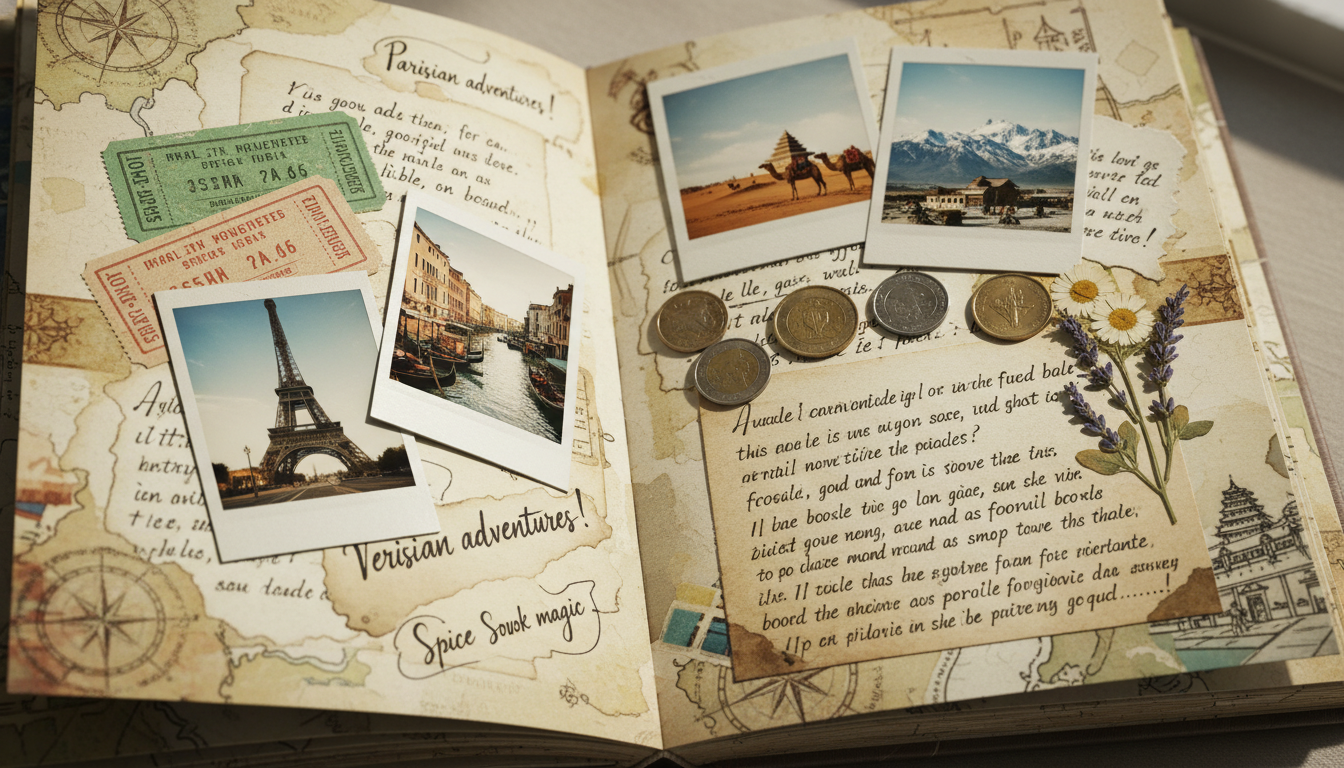
- Visual Journals: A mixed-media approach combining sketches, ticket stubs, and photographs to create a rich visual tapestry.
Why You Should Document Your Adventures
Maintaining a journal is not merely about archiving facts; it is a tool for mindfulness and personal evolution. Here is why every traveler should adopt this practice:
Memory Preservation: Capturing the Ephemeral
Photographs are powerful, but they often lack context. Words capture the nuance—the cold bite of the wind, the taste of street food, or the specific emotion felt during a quiet moment. A journal acts as a time capsule, allowing you to relive the full sensory experience.
Reflection and Personal Growth
Travel often challenges our worldviews. Writing forces you to slow down and process these shifts in perspective. Through introspection, you gain a deeper understanding of the cultures you visit and your own place within them.

Practical Tips for Your Travel Journaling Guide
To ensure your journaling habit enhances rather than hinders your trip, consider these effective strategies:
1. Select the Right Medium
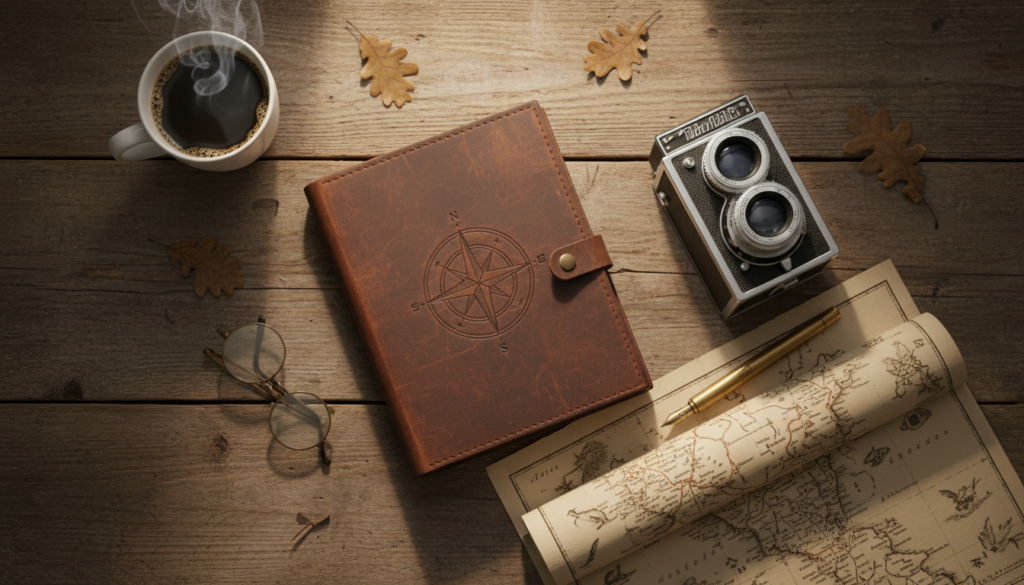
The tool you use dictates your workflow. A leather-bound notebook offers a romantic, tactile connection but requires physical space. Conversely, apps like Day One or Journey offer convenience, geo-tagging, and instant photo syncing, though they may lack the charm of ink on paper.
2. Curate Your Content
Do not feel pressured to record every minute. Focus on:
- Sensory Highlights: The sounds of a busy market or the silence of a mountain peak.
- Cultural Dialogues: Insights gained from conversations with locals.
- Gastronomic Notes: Descriptions of flavors, ingredients, and the atmosphere of local eateries.
3. Embrace Simplicity
Travel can be exhausting. To maintain consistency, utilize bullet points or rapid-logging techniques. A dedicated travel journaling guide often suggests carrying a pocket-sized notebook to jot down quick keywords during the day, which can be fleshed out later over dinner.
Enhancing Your Travel Journaling Guide with Photography
A picture may be worth a thousand words, but a picture accompanied by a story is priceless. Photography is an integral component of modern journaling.
The Symbiosis of Text and Image
Images anchor your memories visually, while text provides the narrative soul. When combined, they create a holistic record. Focus on capturing candid moments and unique compositions rather than just standard tourist landmarks.
Integration Techniques
For analog journalists, portable photo printers like the HP Sprocket allow for instant inclusion of images on the page. Digital nomads can easily weave high-resolution images between paragraphs of text in their blogging platforms or apps.
Creative Ways to Personalize Your Journal
Your journal should be as unique as your journey. Inject personality through creative embellishments:
- Ephemera and Memorabilia: Glue in boarding passes, museum tickets, pressed flowers, or local currency.
- Cartography: Sketch rough maps of your route or paste in city maps with your favorite spots circled.
- Sustainability Notes: Reflect on eco-friendly practices observed or adopted during your trip, aligning with the growing trend of responsible tourism.
Inspiration for Future Voyages
A well-kept journal is a gift to your future self. Revisiting past entries can reignite the wanderlust required to plan your next expedition. Furthermore, your detailed logs of accommodations, logistics, and hidden gems transform your personal diary into a valuable destination guide for friends and family seeking recommendations.
Explore More Travel Insights
Conclusion
Travel journaling is more than a pastime; it is an act of preservation and appreciation. By documenting the nuances of your adventures, you deepen your connection to the world and create a tangible legacy of your life’s explorations. Whether you prefer a fountain pen or a smartphone screen, the most important step is to begin. Follow this travel journaling guide to transform your fleeting moments into enduring stories.