Recommended for you
The Ultimate Vacation in Egypt: My Personal Journey Through Time
If there is one trip that completely shifted my perspective on the world, it was my first vacation in Egypt. The sheer magnitude of standing before monuments that have defied the sands of time for millennia is an experience that defies simple description. A vacation in Egypt is not merely a standard getaway; it is a profound journey through history, contrasting the chaotic, vibrant energy of modern Cairo with the tranquil, timeless banks of the Nile River. When I first started planning my vacation in Egypt, I was overwhelmed by the sheer volume of things to see and do. From deciphering the ancient hieroglyphics etched into towering temple walls to relaxing on the pristine beaches of the Red Sea, the country offers a travel experience unlike any other on the planet.
In this comprehensive guide, I want to share my firsthand experiences and essential tips to help you craft the perfect vacation in Egypt. Whether you are an ardent history buff eager to walk in the footsteps of pharaohs, or a sun-seeker looking for a unique cultural immersion, an expertly planned vacation in Egypt will leave you with memories that will last a lifetime. Let me take you through the indispensable stops, hidden gems, and practical advice that transformed my trip into the ultimate adventure. And if you are still wondering if this destination is right for you, I highly recommend checking out our article on whether Egypt is on your bucket list.
1. Preparing for Your Vacation in Egypt: What You Need to Know
Before you even step foot on the plane, proper preparation is the key to a successful vacation in Egypt. The climate, the culture, and the logistics require a bit of forethought. My vacation in Egypt taught me that the best time to visit is undoubtedly between October and April. During these months, the weather is incredibly pleasant, making exploring outdoor archaeological sites far more comfortable than during the scorching summer months of June to August. When packing for your vacation in Egypt, modesty and comfort are your best friends. I packed breathable linen clothing that covered my shoulders and knees, which not only respected the local Islamic culture but also protected my skin from the unforgiving desert sun.
Another crucial aspect of organizing your vacation in Egypt is securing your visa. Most travelers can easily obtain an e-Visa online before departure, saving precious time upon arrival at Cairo International Airport. Furthermore, because a vacation in Egypt involves a lot of walking, exploring rugged terrains, and sometimes dealing with minor stomach bugs as you adjust to the local cuisine, having robust travel insurance is non-negotiable. I strongly suggest reading our travel insurance guide to ensure you are fully protected. Lastly, managing the time difference can be tricky, so be sure to review some tips on how to beat jet lag before you arrive.
2. Cairo: The Chaotic, Captivating Start to Your Vacation in Egypt
Almost every vacation in Egypt begins in the sprawling, bustling metropolis of Cairo. Upon arrival, the city hit me like a wave—a cacophony of car horns, the mesmerizing call to prayer echoing from countless minarets, and the scent of street food lingering in the warm air. While Cairo can feel overwhelming at first, embracing its chaotic charm is a rite of passage for any trip here.
The Giza Plateau: Pyramids and the Sphinx
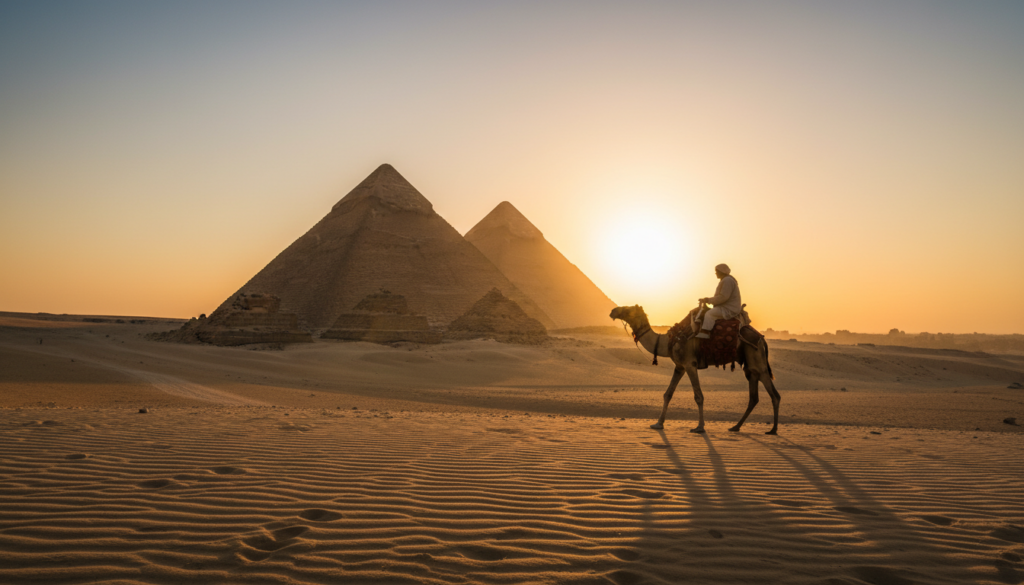
Nothing can truly prepare you for the moment you first lay eyes on the Great Pyramids of Giza. It is the defining moment of any vacation in Egypt. I woke up before dawn to arrive at the Giza Plateau right as the gates opened, a strategy I highly recommend to beat both the intense midday heat and the massive crowds of tour buses. Standing at the base of the Great Pyramid of Khufu, I was completely mind-boggled by the sheer scale of the limestone blocks. To fully appreciate this wonder during your vacation in Egypt, hiring a licensed Egyptologist guide is an absolute must. My guide brought the silent stones to life, explaining the intricate engineering and the fascinating history of the pharaohs who commissioned these eternal tombs. Just down the hill from the pyramids rests the enigmatic Great Sphinx, standing guard over the plateau. Taking a photograph here is a staple of any trip to the capital, and for some expert advice on capturing these moments, take a look at our travel photography tips.
The Egyptian Museum and the GEM
A deep dive into antiquity is a core component of a vacation in Egypt. I spent an entire afternoon getting lost in the corridors of the classic Egyptian Museum in downtown Cairo. The museum is a dusty, enchanting treasure trove of antiquities, culminating in the breathtaking, solid gold death mask of the boy king, Tutankhamun. Seeing it in person was a highlight of my vacation in Egypt. However, the future of Egyptian archaeology lies near the pyramids at the new Grand Egyptian Museum (GEM). This state-of-the-art facility is set to house the most comprehensive collection of ancient Egyptian artifacts ever assembled. When planning your vacation in Egypt, be sure to check the opening status of the GEM, as it promises to be a world-class experience.
Khan el-Khalili Bazaar: A Sensory Overload
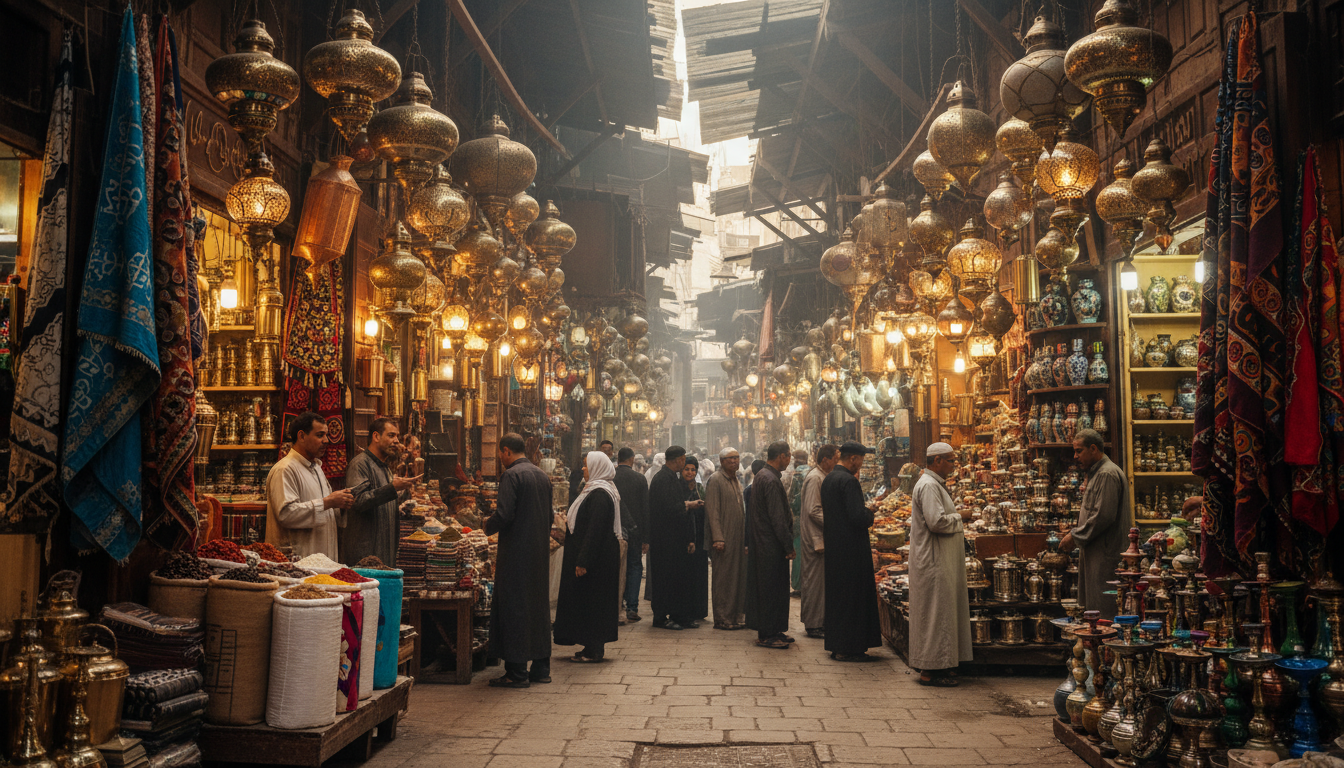
To experience the vibrant, living heart of Cairo, I ventured into the historic Khan el-Khalili bazaar. This sprawling maze of narrow alleys is an essential stop on a cultural vacation in Egypt. Navigating through the market, I was surrounded by the glow of intricate brass lanterns, the vibrant colors of woven textiles, and the intoxicating aroma of cardamom and cumin. Haggling is expected here, and it became one of my favorite interactions during my travels. I spent a memorable evening sipping sweet mint tea and smoking a shisha at the famous El Fishawy cafe, watching the world go by. It is the perfect place to soak in the atmosphere of the city.
3. Luxor: The World’s Greatest Open-Air Museum
After immersing myself in Cairo, I took a short flight south to Luxor. Known in antiquity as Thebes, Luxor is the undisputed historical capital and a crown jewel of any vacation in Egypt. The city is geographically and symbolically divided by the majestic Nile River into the East Bank, known as the City of the Living, and the West Bank, known as the City of the Dead. Exploring Luxor made me feel like an intrepid archaeologist, and it is a segment of my journey that I will cherish forever.
The East Bank: Karnak and Luxor Temples
My exploration of Luxor began on the East Bank at the staggering Karnak Temple Complex. Karnak is not just a temple; it is a vast religious city built over two thousand years by successive generations of pharaohs. Walking into the Great Hypostyle Hall, I was dwarfed by a forest of 134 colossal stone columns, each intricately carved with deep hieroglyphics. The sheer scale of Karnak is something that defines the grandeur of a vacation in Egypt. Later in the evening, I visited Luxor Temple, located right in the center of the modern city. The temple is spectacular during the day, but it takes on a magical, ethereal quality when illuminated at night. It is connected to Karnak by the recently restored Avenue of Sphinxes, a historic pathway that you must walk during your stay.
The West Bank: The Valley of the Kings
Crossing the Nile to the West Bank early the next morning was a journey into the afterlife. The highlight of this region, and perhaps my entire vacation in Egypt, was the Valley of the Kings. Hidden within the arid, sun-baked desert hills, these subterranean tombs were designed to protect the mummies of the New Kingdom pharaohs. Descending into the intricately decorated tombs, such as that of Ramses VI, I was astonished by the vibrancy of the wall paintings; the colors looked as fresh as if they had been painted yesterday. No vacation in Egypt is complete without visiting the tomb of King Tutankhamun. Though small, standing in the very chamber where Howard Carter made his legendary discovery was incredibly profound. Nearby, the terraced Temple of Hatshepsut, built directly into the towering limestone cliffs, honors one of Egypt’s few female pharaohs and offers a striking architectural contrast to the natural landscape.
4. Aswan and Abu Simbel: The Soul of Southern Egypt
Continuing the journey south, my itinerary brought me to Aswan. This city offers a distinctly slower, more relaxed pace compared to Cairo and Luxor, making it the perfect place to unwind. Aswan is renowned for its breathtaking river scenery, where the blue waters of the Nile weave through amber desert sands and massive granite boulders.
Philae Temple and Nubian Culture
One of the most romantic excursions of my vacation in Egypt was taking a small motorboat to Agilkia Island to visit the Philae Temple. Dedicated to the goddess Isis, this temple was meticulously dismantled and relocated block by block to save it from the rising waters of the Aswan Dam. The island setting gives Philae an incredibly peaceful atmosphere. While in Aswan, I also took the opportunity to explore the local Nubian villages. The Nubian people are known for their warm hospitality and distinct, brightly colored homes. Sharing a traditional meal in a Nubian home added a rich, cultural layer to my adventure.
The Colossi of Abu Simbel
A true testament to ancient engineering, and a non-negotiable day trip during a vacation in Egypt, is Abu Simbel. Located near the Sudanese border, the twin temples of Ramses II and his beloved queen Nefertari are guarded by four monumental statues of the pharaoh himself. Standing before these towering figures at sunrise was a humbling experience. Knowing that the entire mountain complex was cut into massive blocks and moved to higher ground in the 1960s to avoid being submerged by Lake Nasser only added to my awe. It is a true highlight of exploring the south.
5. Cruising the Nile: The Ultimate Vacation in Egypt Experience
If I had to recommend one specific activity, it would be taking a multi-day Nile River cruise. Sailing between Luxor and Aswan is arguably the most classic and elegant way to experience a vacation in Egypt. The cruise allowed me to travel seamlessly between major archaeological sites like the dual temple of Kom Ombo and the exceptionally well-preserved Temple of Horus at Edfu, all while enjoying the luxurious comfort of my floating hotel.
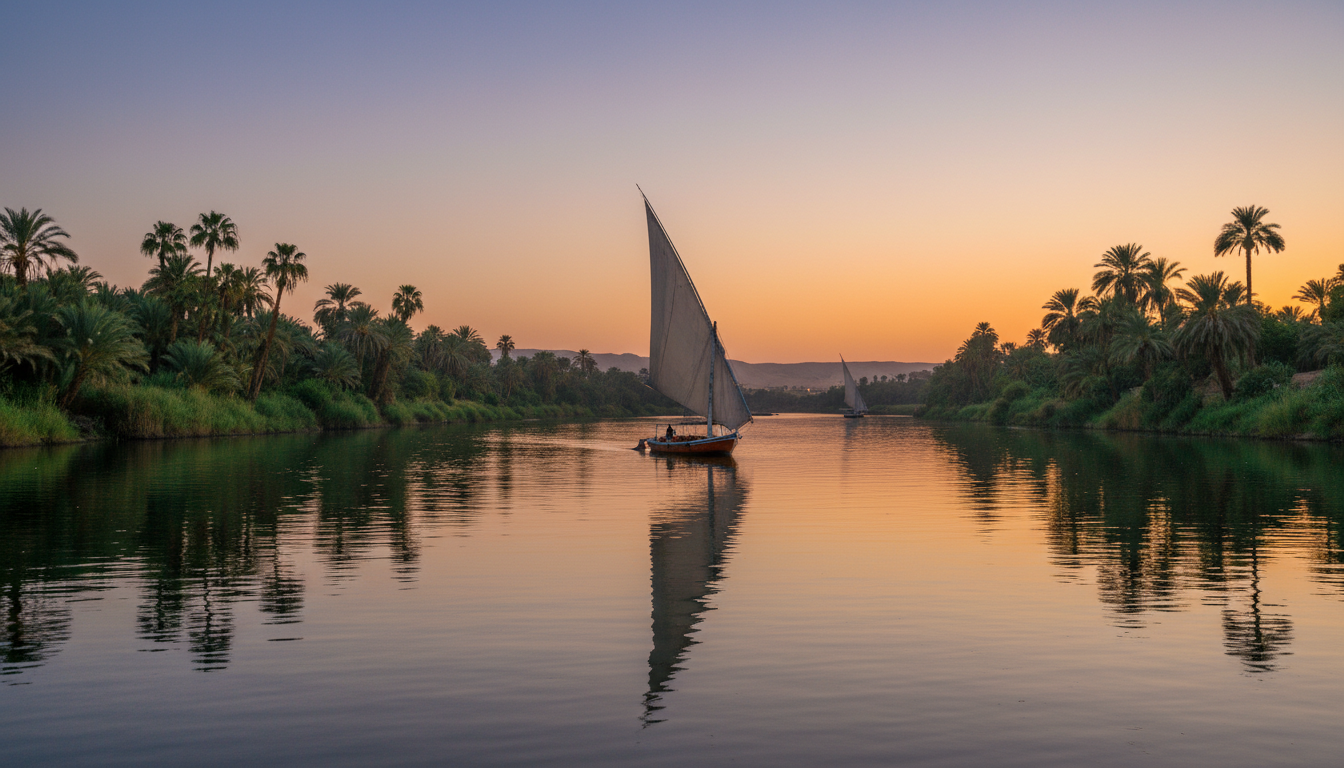
There is something deeply hypnotic about sitting on the sun deck of a cruise ship, watching the timeless agricultural life along the riverbanks glide by exactly as it has for millennia. For those seeking a more rustic and intimate vacation in Egypt, hiring a traditional wooden felucca for a sunset sail is equally mesmerizing. The gentle breeze and the sound of the water against the hull provided moments of pure tranquility during my action-packed holiday.
6. The Red Sea: Relaxation and World-Class Diving
After days of early wake-up calls and exploring dusty ruins, my vacation in Egypt transitioned to pure relaxation on the Red Sea coast. Destinations like Hurghada, Sharm El Sheikh, and Dahab offer a completely different side to the country. A vacation in Egypt doesn’t have to be purely historical; it can also be a tropical beach getaway.
The Red Sea is globally celebrated for its crystal-clear waters and vibrant, thriving coral reefs. I spent my days snorkeling among schools of colorful fish and swimming alongside graceful sea turtles. For certified scuba divers, this destination offers access to some of the most famous dive sites in the world, including the Thistlegorm wreck and the Blue Hole. It was the perfect, restorative conclusion to my Egyptian adventure. If you are a foodie, this coastal region also offers incredible fresh seafood, which perfectly complements the rich flavors detailed in our guide to traditional Egyptian food.
Essential Tips for Surviving and Thriving on Your Vacation in Egypt
To ensure your vacation in Egypt goes off without a hitch, here are a few final pieces of advice based on my personal experience:
- Hire Licensed Guides: A knowledgeable Egyptologist provides indispensable context that guidebooks simply cannot match. They manage the logistics, keep the aggressive vendors at bay, and enrich your vacation in Egypt immeasurably.
- Dress Modestly: Respect the local Islamic customs by dressing conservatively, particularly when visiting mosques, rural areas, or walking through local markets. This simple sign of respect will make your visit much smoother.
- Stay Hydrated: The Egyptian sun is notoriously unforgiving. I carried a large reusable water bottle everywhere, wore a wide-brimmed hat, and applied sunscreen constantly. Don’t let dehydration ruin your day.
- Carry Small Cash: Tipping, known locally as baksheesh, is an integral part of the culture. Keep small denominations of Egyptian Pounds handy for bathroom attendants, helpful locals, and service staff to ensure a seamless experience.
- Embrace the Chaos: Things might not always go exactly according to plan. Trains might be delayed, and traffic in Cairo will certainly test your patience. Approach your vacation in Egypt with a sense of humor and an open mind.
A vacation in Egypt is a truly transformative experience that resonates deeply within your soul long after you have departed. From the imposing majesty of the Great Pyramids to the silent, colorful depths of the Red Sea, this country promises an adventure of a lifetime. I hope my experiences and tips inspire you to pack your bags and embark on your own epic vacation in Egypt.