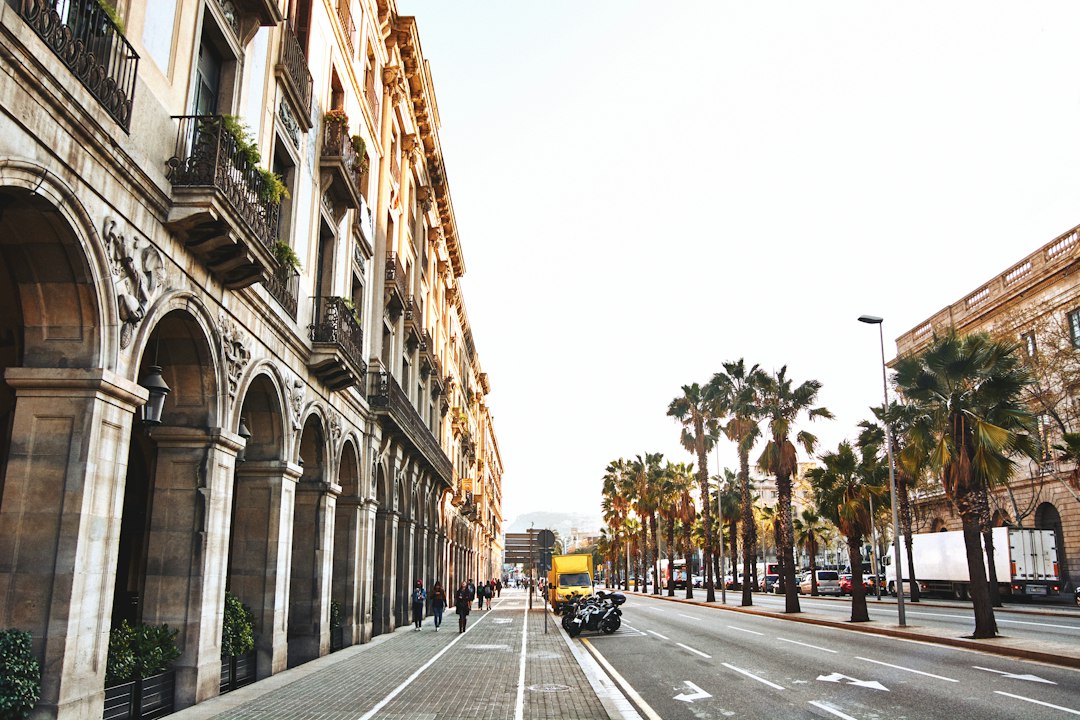
Barcelona works especially well for travelers who want architecture, food, neighborhoods, beaches and day-to-day city life in the same trip. The challenge is not finding things to do; it is avoiding an itinerary so crowded that you spend more time crossing the city than enjoying it.
If Barcelona is one stop in a larger route, use our Spain travel guide to compare it with Madrid, Ávila, Tenerife, Málaga and Cantabria before deciding how many destinations to combine.
This guide gives you a practical structure for a first Barcelona trip and links to more detailed Hispaads guides where the topic needs depth.
How many days do you need in Barcelona?
Three full days is enough for the main landmarks at a brisk pace. Four or five days gives you more room for neighborhoods, markets, museums and the coast without turning every day into a checklist.
A simple first-trip structure
- Day 1: Gothic Quarter, El Born and the waterfront.
- Day 2: Sagrada Família, Eixample and Passeig de Gràcia.
- Day 3: Park Güell, Gràcia and a slower neighborhood evening.
- Day 4: Montjuïc, museums or the beach depending on season.
- Day 5: a day trip, food-focused day or time to revisit a favorite area.
What to see first
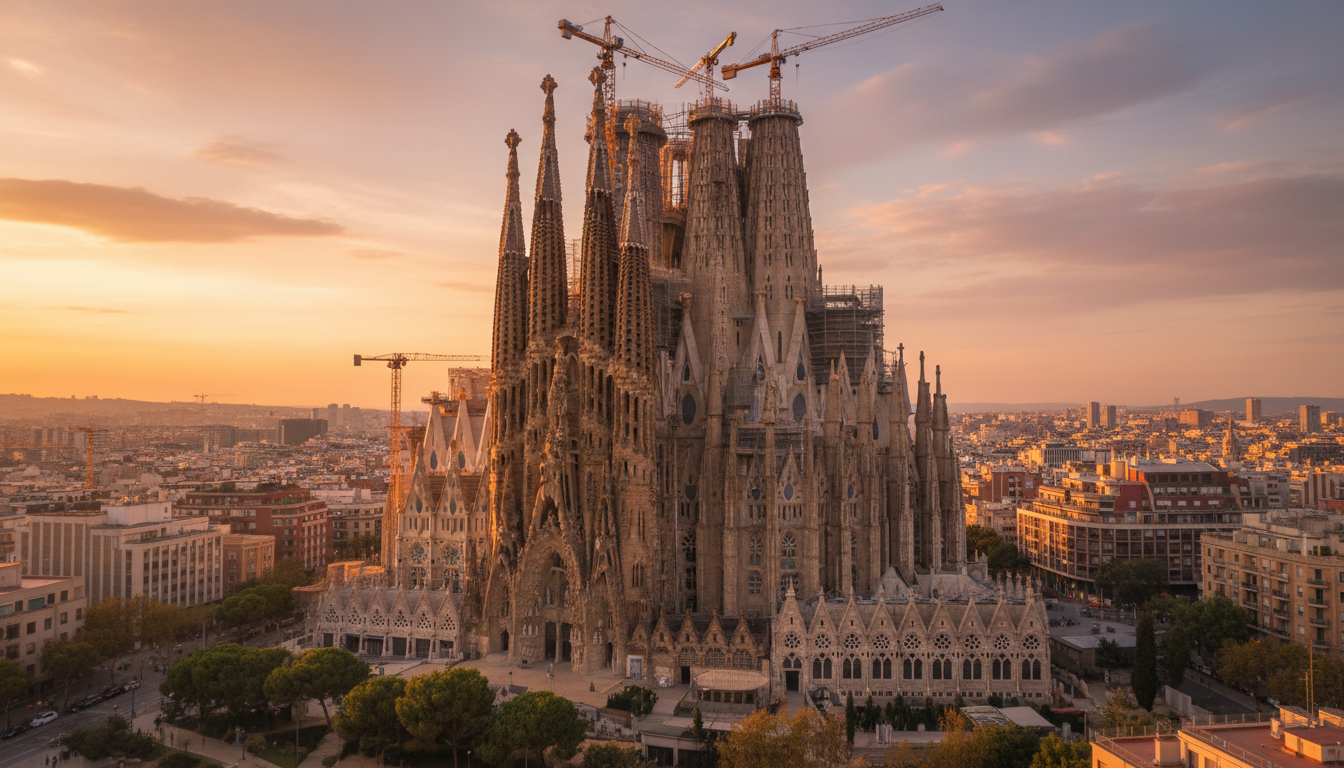
Sagrada Família
For most first-time visitors, this is the city’s essential architectural stop. Reserve a timed ticket rather than building the day around uncertain availability. Our Sagrada Família architecture guide explains the building, while our ticket and tower guide covers the practical visit.
Gothic Quarter and El Born
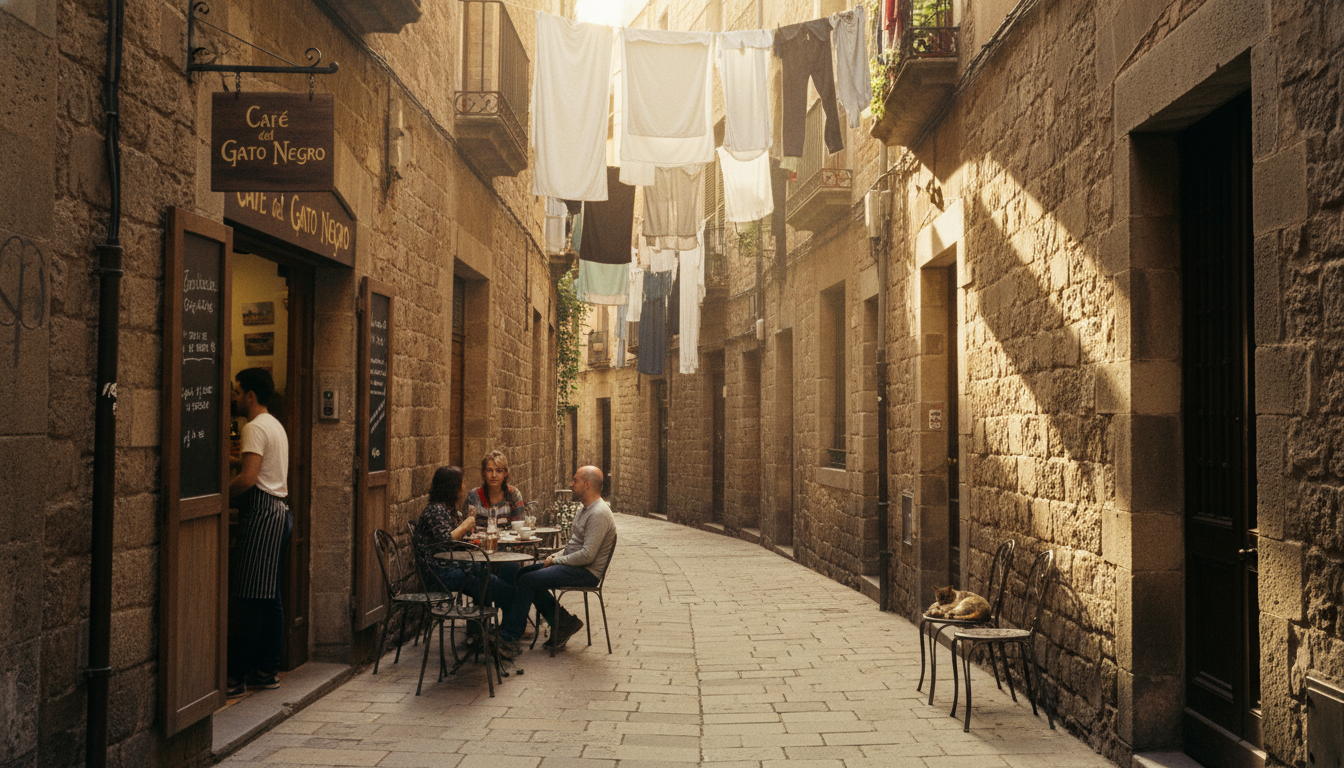
These adjacent old-city areas are best explored slowly. The Gothic Quarter concentrates medieval streets and civic history, while El Born mixes historic architecture, restaurants, galleries and Santa Maria del Mar.
Eixample
Eixample is useful both for sightseeing and accommodation. Its grid layout, modernist architecture and strong transport connections make it easier to navigate than the old city.
Park Güell and Gràcia
Combine them on the same part of the day. Park Güell is a major Gaudí site; Gràcia gives you a more neighborhood-focused contrast.
Montjuïc
Montjuïc works well when you want viewpoints, gardens, cultural attractions and more open space after several dense city days.
Where should you stay?
There is no single best area. Eixample is convenient for a first trip; the Gothic Quarter and El Born put you close to historic sights; Gràcia feels more residential; Poblenou suits travelers who want more space and access toward the coast.
See our full Barcelona neighborhood accommodation guide.
Hotel planning
Barcelona hotel prices can move sharply with events and season. Compare the total cost, tourist tax, transport and cancellation terms rather than only the nightly rate.
For value-focused booking, use Cheap Hotels in Barcelona. For a current shortlist across luxury, boutique and central stays, see Best Hotels in Barcelona.
Getting around
Barcelona’s metro and bus network covers most areas visitors use. Walking is also part of the experience, particularly within Ciutat Vella, Eixample and Gràcia. Use the official TMB site for current fares and service information.
When to visit
Spring and autumn are often comfortable for walking. Summer brings beach weather but also heat, higher demand and larger crowds. Winter can be excellent for cultural sightseeing, with shorter daylight and cooler evenings.
Our dedicated Barcelona in Winter guide covers that season in more detail.
Booking major attractions
For places with timed entry, book through official websites when possible. Do not build a short trip around same-day availability for attractions that are central to your plans.
Food strategy
Do not try to eat every meal beside the biggest landmarks. Walk a few streets away, check recent reviews and look for places serving a menu that makes sense for the neighborhood rather than a generic tourist list.
Common planning mistakes
- adding too many distant attractions to one day;
- booking a cheap hotel without calculating transport;
- ignoring tourist tax and other compulsory charges;
- visiting only the Gothic Quarter and calling that “Barcelona”;
- leaving major timed attractions until the last minute.
For official destination information, use Barcelona Turisme.
Last reviewed: September 2026.