
Recommended for you
Is It Cheaper to Book a Hotel or Walk In? The Ultimate Guide
Ever since I started traveling the globe as a digital nomad, one specific financial question has haunted almost every trip I take. I constantly find myself asking: is it cheaper to book a hotel or walk in? When you are organizing your next vacation or a spontaneous business trip, this is a significant dilemma. For budget-conscious explorers, families on holiday, and solo backpackers alike, the answer to whether it is cheaper to book a hotel or walk in can drastically affect your overall travel expenses. While modern technology and flashy apps encourage us to secure reservations months in advance, the romantic, old-school allure of the spontaneous walk-in still remains. In this comprehensive, first-hand guide, I am going to explore the hidden pricing mechanisms, the secret advantages, and the undeniable disadvantages of both methods. By the end of this article, you will know exactly if it is cheaper to book a hotel or walk in for your specific situation.
The Core Dilemma: Is It Cheaper to Book a Hotel or Walk In?
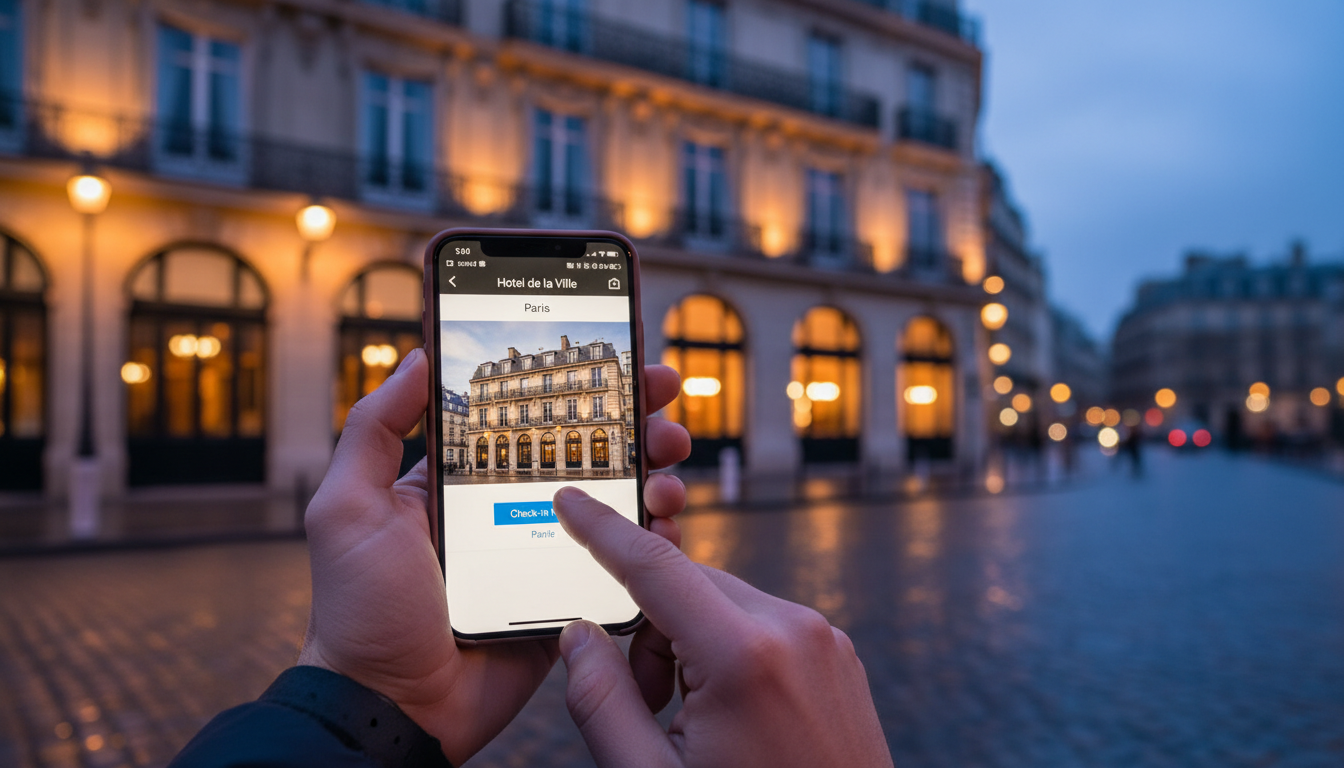
Securing your accommodation ahead of time offers an undeniable safety net. It ensures you have a guaranteed place to rest your head after a long day of flights and layovers. Conversely, walking into a brightly lit lobby without a reservation allows for total flexibility and the potential to negotiate on the spot with the front desk staff. However, these two approaches carry very different financial implications. To truly understand if it is cheaper to book a hotel or walk in, we must first examine how revenue management systems operate within the modern hospitality industry. I remember arriving in Paris a few years ago without a room. I stood outside a boutique hotel in the rain, pulling up a booking app on my phone, wondering, is it cheaper to book a hotel or walk in right now? I decided to test it. I walked in, asked for the rate, and was quoted 250 euros. I looked at my phone; the exact same room was 180 euros on a popular travel site. That was my first real lesson.
Hotels utilize complex algorithms to maximize their daily revenue. This software predicts demand based on historical data, local events, and seasonal trends. When occupancy is projected to be low, prices drop online to entice planners. When the hotel is nearly full, prices skyrocket. So, is it cheaper to book a hotel or walk in when a hotel is almost empty? You might think the front desk would hand out discounts like candy just to fill the room, but the reality of corporate hotel policies often prevents this. Front desk agents are frequently locked out of overriding the system’s rack rate—the maximum listed price for a room. This corporate rigidity heavily influences whether it is cheaper to book a hotel or walk in on any given night.
Understanding Hotel Revenue Management
If you want to master the art of travel, you need to think like a hotel manager. When I first started writing about travel, I interviewed several hospitality experts to figure out if it is cheaper to book a hotel or walk in. They all pointed to the same thing: Yield Management. This is the pricing strategy that airlines have used for decades, and hotels have adopted it enthusiastically. The goal is not to sell every room at the same price, but to sell the right room to the right customer at the highest possible price. Because of this, asking if it is cheaper to book a hotel or walk in isn’t a simple yes or no question; it depends entirely on the algorithm’s mood that day.
The Concept of the Rack Rate
To fully grasp whether it is cheaper to book a hotel or walk in, you must understand the dreaded rack rate. The rack rate is the official, undiscounted, maximum price a hotel can legally charge for a room. You will usually see it posted on the back of the hotel room door. When you walk into a major chain hotel without a reservation, the receptionist is trained to quote you the rack rate first. Why? Because walk-in guests are often perceived as desperate. If it is 10:00 PM and you are dragging a suitcase into the lobby, the hotel assumes you need a bed immediately and will pay a premium for it. In these instances, if you are asking yourself if it is cheaper to book a hotel or walk in, the answer is resoundingly in favor of booking ahead.
The Pros and Cons of Booking in Advance
In my years of living out of suitcases, I have found that booking ahead is generally the safest strategy. When people ask me, is it cheaper to book a hotel or walk in, I usually tell them that advance booking offers peace of mind that is hard to put a price tag on. Let us break down the specific advantages and disadvantages.
Advantages of Early Reservations
- Guaranteed Lower Rates: Generally, locking in a room early secures promotional pricing. Hotels prioritize revenue certainty and often provide early bird discounts to fill occupancy well ahead of time. So, if you are wondering if it is cheaper to book a hotel or walk in weeks in advance, the internet always wins.
- Inventory Security: This is vital during peak travel seasons. Booking ahead guarantees you will not be left stranded during holidays, festivals, or major sporting events.
- Comparison Shopping: You have the time to analyze reviews, compare amenities, and select the specific room category that suits your preferences without pressure. If you are comparing options, Is It Better to Book a Hotel Room Online or in Person? is a great resource.
- Digital Perks: Online platforms frequently include incentives such as free breakfast, complimentary upgrades, or loyalty points that are rarely available to walk-in guests.
Disadvantages of Early Reservations
- Inflexibility: Pre-paid rates are often non-refundable. If an emergency arises, or you simply change your mind about your route, you risk forfeiting your payment entirely.
- Price Drop Risks: Occasionally, if demand plummets, hotels may slash prices at the last minute, meaning early bookers might pay a premium compared to latecomers. This is the one scenario where it might actually be cheaper to book a hotel or walk in at the last second.
The Pros and Cons of Walking In
Despite everything I have said about algorithms and rack rates, there is still a case to be made for spontaneity. Is it cheaper to book a hotel or walk in if you are visiting a remote village in Southeast Asia or a small rural town in Spain? Often, yes. Walking in has its own unique set of benefits, especially if you are dealing with independent, family-run establishments rather than massive global conglomerates.
Advantages of Walking In
- Ultimate Flexibility: You are not bound by a rigid itinerary. You can inspect the room in person before payment, verifying hygiene, Wi-Fi speed, and comfort levels. If you hate the room, you simply walk out.
- Negotiation Leverage: Is it cheaper to book a hotel or walk in late at night? In specific scenarios, yes. If a boutique hotel has vacancies after 8:00 PM, an owner might accept a lower offer rather than letting the room generate zero revenue for the night.
- No Surprises: Online photos can be incredibly misleading. A walk-in allows you to immediately assess the atmosphere, the noise levels from the street, and the actual cleanliness of the lobby.
Disadvantages of Walking In
- The Rack Rate Trap: As mentioned, major hotels quote high walk-in rates. If you are wondering if it is cheaper to book a hotel or walk in at a Hilton or Marriott, booking online will almost always save you money.
- Availability Risk: In popular destinations, you face the very real possibility of No Vacancy signs, forcing you to settle for overpriced or low-quality alternatives far from the city center.
- Time Consumption: Spending your holiday dragging heavy luggage between different hotels to find a vacancy is an inefficient use of valuable vacation time. It is exhausting, and exhaustion leads to poor financial decisions.
My Real-Life Cost Comparisons
Let us look at some hard numbers from my own travels to definitively answer if it is cheaper to book a hotel or walk in. I travel frequently to both major metropolises and tiny, off-the-beaten-path villages. The dynamic between these two types of destinations is night and day.
Scenario 1: The Major Metropolis
Last year, I traveled to London for a week. I decided to test the theory: is it cheaper to book a hotel or walk in when visiting a massive global hub? I checked the price of a standard 4-star room near Covent Garden on my phone; it was $220 per night. I walked into the lobby and asked the receptionist for their best available rate for that evening. The quote? $310. I politely showed them the price on my phone, and they advised me to simply book it online while standing in the lobby, as they were not authorized to match the third-party app price at the desk. In major cities, the answer to whether it is cheaper to book a hotel or walk in is practically always to book.
Scenario 2: The Small Town Bed and Breakfast
A few months later, I was doing a road trip through rural France. I arrived in a small village and found a charming, independent bed and breakfast. Online, the remaining room was listed at $150. I walked in, spoke directly to the owner, and asked if she could offer a better rate if I paid in cash, bypassing the app’s 20% commission fee. She happily gave me the room for $110, plus a free coffee in the morning. In this scenario, when asking is it cheaper to book a hotel or walk in, the walk-in strategy was a massive success. For more tips on finding these types of accommodations, check out my guide on How to Find the Best Deals on Hotel Rooms.
Expert Negotiation Strategies for Walk-Ins
If you are determined to embrace the spontaneous lifestyle and want to know how to ensure it is cheaper to book a hotel or walk in, you need to learn how to negotiate. You cannot just walk in and demand a discount. You need tact, timing, and information.
The Late-Night Arrival Tactic
Timing is absolutely critical. If you walk into a hotel at 2:00 PM, they still have the entire day to sell that room to someone else online. They will not give you a discount. However, if you walk in at 9:00 PM, the chances of them selling that room to anyone else are near zero. This is when the balance of power shifts to you. This is the moment where it is cheaper to book a hotel or walk in, provided you know what to say. Approach the desk with a smile and say, I noticed online you still have some rooms available tonight. I am looking to spend X amount. Is that something you can accommodate? Be polite, be realistic, and be prepared to walk away if they say no.
Leveraging Third-Party Apps
Always check the online price on your smartphone before approaching the desk. Knowledge is power. If the receptionist quotes a higher figure, politely show them the app. Say, I would love to book directly with you so you do not have to pay the commission fee to this website, but your rate is higher. Can you match it? Many independent hotels will gladly match or beat the online rate to keep the entire profit. For an even deeper dive into this, read How to Score Better Deals on Booked Hotel Rooms.
When You Should NEVER Walk In
While playing the walk-in game can be fun and occasionally lucrative, there are times when it is simply a terrible idea. If you are wondering if it is cheaper to book a hotel or walk in during a major citywide event, let me stop you right there. Do not do it. When Taylor Swift is in town, or there is a massive tech convention, or it is New Year’s Eve, hotel algorithms push prices to the absolute maximum. Walk-in rates during peak demand are extortionate. If you try to walk in, you will either pay triple the normal rate or end up sleeping in your rental car. Similarly, if you are traveling with small children or arriving on a red-eye flight at 3:00 AM, the stress of finding a room far outweighs any potential savings. In these cases, it is never cheaper to book a hotel or walk in compared to securing a reservation months in advance.
Is It Cheaper to Book a Hotel or Walk In? My Final Verdict
So, we return to the original question that sparked this entire guide: is it cheaper to book a hotel or walk in? After years of personal experimentation, analyzing industry data, and sleeping in hundreds of beds across the world, my final verdict is clear. In roughly 80% of situations, particularly when dealing with corporate chain hotels or staying in major tourist destinations, booking in advance online offers the most consistent savings, the best variety of choices, and the greatest peace of mind.
However, the remaining 20% leaves room for the adventurous traveler. If you are traveling off-season, exploring small towns with independent accommodations, and have the confidence to negotiate politely, walking in can yield surprisingly excellent deals. Ultimately, knowing whether it is cheaper to book a hotel or walk in comes down to knowing your destination, understanding the time of year, and accurately assessing your own tolerance for travel stress. May your future travels be filled with comfortable beds and incredible savings, whichever method you choose!