Recommended for you
The Ultimate Guide to Hotel Room Occupancy Limits: Can You Fit 5 in a Room for 2?
Have you ever stood in a brightly lit hotel lobby, nervously eyeing the front desk clerk while three of your friends hid around the corner with the bulk of your luggage? I certainly have. When planning a getaway on a tight budget, the idea inevitably crosses a traveler’s mind: why not save a significant chunk of cash by simply squeezing a few extra family members or friends into a standard room? It seems like a relatively harmless travel hack to cram five people into a space designed for two, especially if it is just for one brief night. However, ignoring hotel room occupancy limits is never as simple as sharing a pillow, throwing an extra sleeping bag on the carpet, or drawing straws for the bathroom. From strict local fire codes to basic guest comfort and legal liabilities, there are profound reasons why establishments enforce these guest caps so strictly.
In this comprehensive, first-hand guide, I am going to walk you through exactly what hotels think about over-occupancy, the severe potential consequences for guests who break the rules, and how you can successfully navigate these tricky situations without breaking the law or sacrificing your comfort. Understanding hotel room occupancy limits is the absolute key to stress-free travel, ensuring you never have to face an awkward confrontation with hotel security at midnight.
My Personal Encounter with Hotel Room Occupancy Limits
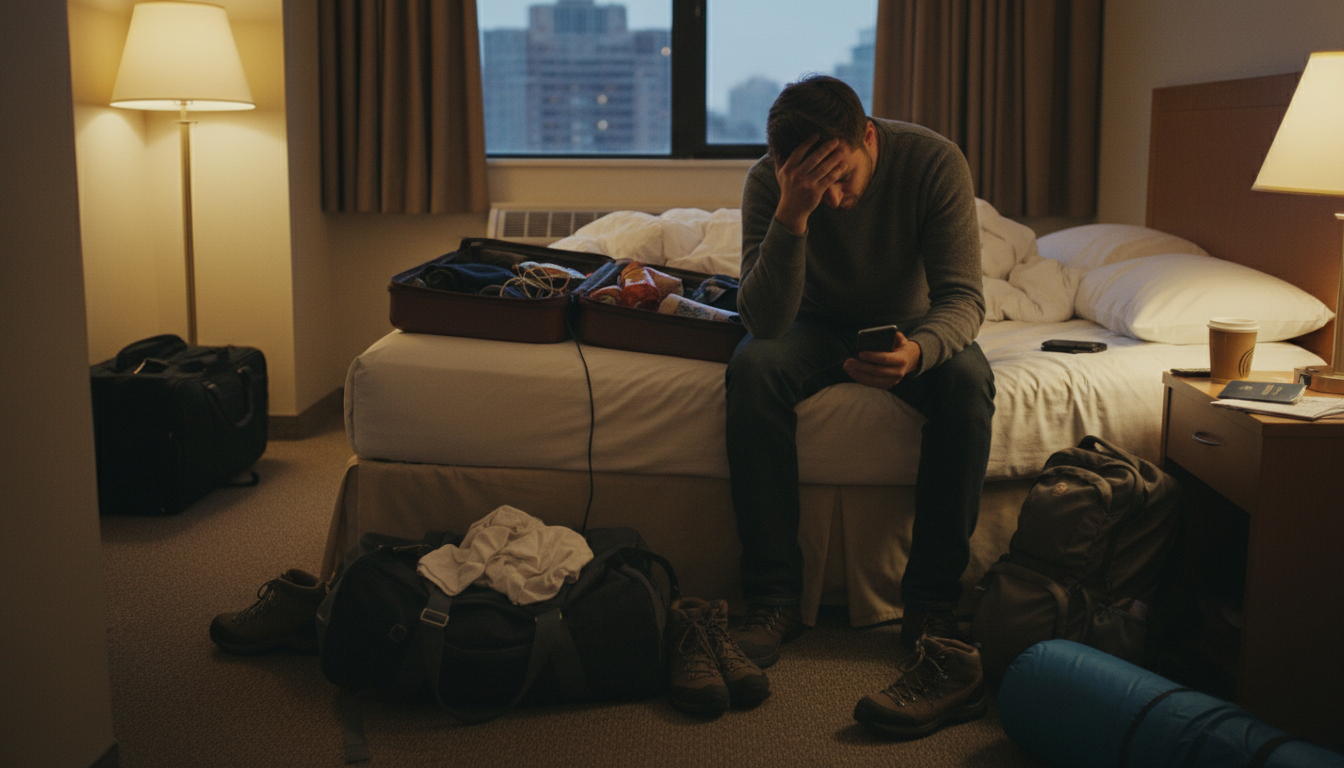
Years ago, I took a massive cross-country road trip with four of my closest friends. To stretch our severely limited travel funds, we collectively decided to book a single, standard room featuring two double beds. We thought we were being incredibly clever and resourceful, actively bypassing the standard hotel room occupancy limits to save a few bucks that we could instead spend on food and local attractions. The reality of the situation, however, was a completely different story.
We spent a thoroughly miserable night fighting over tiny blanket scraps, sweating profusely in a poorly ventilated room that was never designed for five breathing bodies, and dealing with an agonizing, hour-long line for the single bathroom the following morning. It was in that cramped, humid space that I had an epiphany: hotel room occupancy limits aren’t just arbitrary, greedy rules meant to extract more money from weary travelers. They are highly practical, well-researched guidelines explicitly designed to keep guests safe, comfortable, and sane. That single exhausting night completely changed how I plan group travel, and it led me to dive deep into the legal and operational reasons behind these restrictions.
What Exactly Are Hotel Room Occupancy Limits?
So, what exactly do we mean when we discuss hotel room occupancy limits? Simply put, these are the legally mandated, strictly enforced maximum numbers of individuals allowed to safely stay overnight in a specific hotel room. When you see a room advertised online for “two adults,” that isn’t just a casual suggestion or a gentle recommendation from the marketing department. Those numbers are concrete.
These hotel room occupancy limits are meticulously calculated based on a variety of uncompromising factors, including the total square footage of the room, the available number of beds, the layout of the furniture, and, most importantly, local municipal safety regulations. Understanding the nuances of hotel room occupancy limits is absolutely crucial for anyone planning a complex group trip, especially when considering Where Can a Family of Five Go on Vacation? without facing booking hurdles. These limits vary drastically depending on the specific hotel brand, the geographic location, the age of the building, and the specific tier of the room you have booked.
The Hidden Dangers: Why Hotel Room Occupancy Limits Exist
Why do these limits exist in the first place? If I am paying for the room, shouldn’t I be allowed to host whoever I want? The answer is a resounding no, and the reasons go far beyond the hotel’s bottom line. The primary driving force behind strict hotel room occupancy limits comes down to absolute safety and legal compliance.
Strict Fire Safety and Legal Codes
This is, without a doubt, the most critical factor. Hotels must strictly adhere to local fire codes that dictate the absolute maximum number of occupants allowed in a specific square footage. This ensures safe, rapid, and unimpeded evacuation during a chaotic emergency. If a devastating fire breaks out in the middle of the night, rescue teams and firefighters need to know exactly how many people are expected to be in the building. When you secretly exceed the hotel room occupancy limits, you actively endanger yourself, your unlisted friends, and the other guests in the building by potentially clogging escape routes and misrepresenting headcounts to first responders.
Insurance Liabilities and Risks
Furthermore, there are massive corporate insurance liabilities at play. If an unfortunate accident occurs in a room that knowingly or unknowingly exceeds its stated capacity, the hotel’s insurance coverage may be completely voided by the provider. This creates a massive financial liability for the establishment. No hotel general manager is going to risk a multi-million dollar lawsuit simply because a guest wanted to sneak their cousin into a standard twin room. This is why management takes hotel room occupancy limits so incredibly seriously, often implementing security protocols to monitor hallway traffic.
Resource Management and Guest Comfort
Additionally, there is the vital aspect of resource management. Building amenities such as consistent hot water, fresh towels, HVAC ventilation systems, and elevator capacities are carefully mathematically calculated based on the maximum registered occupancy of the entire building. Overcrowding aggressively strains these essential utilities. When groups of guests decide to ignore the hotel room occupancy limits, they inevitably degrade the luxury and comfort of the experience for all the rule-abiding guests in the building who find themselves with lukewarm showers and overworked air conditioning.
The Real Consequences of Ignoring Hotel Room Occupancy Limits
What actually happens when you get caught? Because believe me, modern hotels are very adept at noticing when a party of six is utilizing a room meant for two. The consequences of ignoring hotel room occupancy limits can be surprisingly severe and financially draining. While sneaking extra travelers past the distracted front desk might feel like a temporary victory for your wallet, the reality can quickly turn into a logistical nightmare.
Eviction, Fines, and the Walk of Shame
First and foremost, you risk immediate eviction or heavy financial penalties. In many strict jurisdictions, hotels are legally required by local law enforcement to forcefully remove unregistered guests. I have personally witnessed large families face immediate eviction in the middle of the night because they blatantly and unapologetically violated the hotel room occupancy limits. You could be hit with hefty surcharges applied directly to your credit card for the extra heads, or you could be forced to walk down to the lobby and book a second room at the much higher, non-discounted rack rate. If you are wondering Is It Cheaper to Book a Hotel or Walk In?, let me assure you: being forced to walk in and buy a room at 2 AM because you broke the hotel room occupancy limits is the most expensive route possible.
Compromised Comfort and Claustrophobia
Second, your actual physical comfort is severely compromised. A standard room designed for two people offers very limited, calculated floor space. Adding three extra people results in a highly claustrophobic environment, poor air quality, and a brutal morning battle for the single bathroom sink and toilet. Exceeding hotel room occupancy limits means you are constantly tripping over suitcases, stepping on toes, and struggling to find a quiet corner to decompress after a long day of sightseeing.
Sleep Disruption and Exhaustion
This directly leads to massive sleep disruption. Without adequate, comfortable beds, unlisted guests inevitably end up sleeping on the hard, unsanitary floor, or squeezing uncomfortably into shared mattresses. This leads to incredibly poor sleep quality, stiff necks, and exhausted, cranky travelers the next day. A vacation is supposed to be relaxing, but bypassing hotel room occupancy limits virtually guarantees you will return home needing another vacation just to recover.
The Impact on Hotel Operations and Staff
Beyond the personal guest experience, flouting hotel room occupancy limits creates significant daily operational challenges for the hardworking hotel staff.
Housekeeping Nightmares
For hotel management and staff, over-occupancy causes significantly faster wear and tear on expensive furniture, delicate linens, and custom carpets. It profoundly disrupts housekeeping schedules. Cleaning a room that was used by five messy people takes exponentially longer than cleaning one used by two quiet adults. This throws off the entire floor’s rhythm, delaying check-ins for other guests and putting undue stress on the cleaning crew who must deal with overflowing trash cans and depleted towel racks caused by ignoring the hotel room occupancy limits.
Annoyed Neighbors and Noise Complaints
Furthermore, unregistered guests who secretly bypass the hotel room occupancy limits almost always lead to inevitable noise complaints. A small room packed with five laughing, talking people is inherently louder than a room with two. Thin hotel walls cannot contain the noise of a crowded space, disturbing peaceful neighbors who paid good money and are diligently following the rules.
Smart Alternatives When You Max Out Hotel Room Occupancy Limits
So, what are the smart, stress-free alternatives for larger groups and traveling families? You absolutely do not have to break hotel room occupancy limits to have a wonderfully affordable and highly enjoyable trip. There are plenty of practical, completely legal ways to comfortably accommodate a group of five without risking fines or a terrible night’s sleep. As outlined in our detailed Family Vacation Planning Timeline, executing your booking early gives you access to the best available options.
Booking Family Suites or Adjoining Rooms
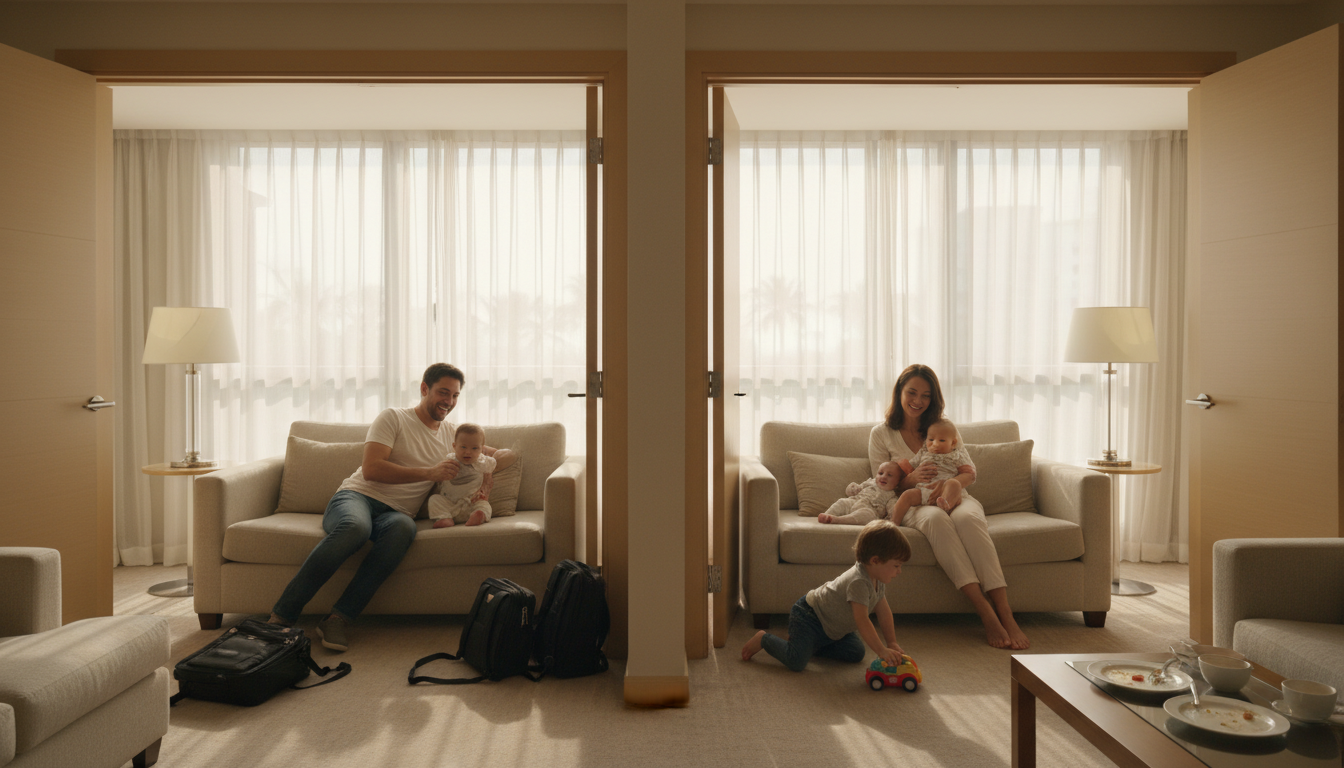
First, highly consider booking family suites or adjoining connecting rooms. Many modern hotels specifically offer connecting standard rooms or large, multi-room family suites designed explicitly for larger groups. While the upfront nightly cost might be higher than a single standard room, the immense value in terms of extra square footage, additional private bathrooms, and sheer privacy is absolutely undeniable. This completely and effortlessly solves the problem of hotel room occupancy limits while keeping everyone in your party happily together. When researching How to Choose the Perfect Hotel for a Vacation, filtering your search for these specific, spacious room types should be your absolute top priority.
Inquiring About Rollaway Beds and Cots
Second, intelligently inquire about rollaway beds. If your travel group is right on the borderline of the limit (for example, you have three people looking to stay in a spacious two-person king room), call the front desk and ask about legally adding a rollaway bed or a comfortable cot. Many larger corner rooms are legally and safely cleared for one extra occupant for a very small nightly fee. This simple strategy allows you to legally and comfortably expand the standard hotel room occupancy limits without needing to rent an entirely separate unit.
Considering Vacation Rentals
Third, look extensively into private vacation rentals or apart-hotels. Platforms that offer residential apartment-style lodging with full kitchens, large living rooms, and multiple private bedrooms are almost always the most cost-effective solution for groups of five or more. These specific properties typically have much higher built-in limits than standard hotel room occupancy limits, giving you the freedom to spread out, cook your own meals, and relax like a local.
Being Transparent with the Front Desk
Finally, just practice absolute transparency. Always communicate proactively with the hotel management long before your arrival date. Be completely honest about your exact group size and dynamic. More often than not, they appreciate the honesty and may even be able to upgrade you to a slightly larger room for free, or suggest a perfectly compliant, budget-friendly solution that ensures everyone sleeps comfortably while strictly adhering to the hotel room occupancy limits.
How to Navigate Hotel Room Occupancy Limits on a Budget
You might be thinking, “That all sounds great, but I’m on a strict budget!” How can you respect hotel room occupancy limits without draining your bank account? The secret lies in strategy and timing.
Timing your booking is absolutely essential. Booking several months in advance generally secures significantly lower rates for those larger, highly coveted suites. Additionally, actively utilizing hotel loyalty programs and accumulating points can grant you access to free room upgrades. This means you might initially book a standard, cheaper room but get seamlessly upgraded to a sprawling suite that legally and safely accommodates your entire party well within the hotel room occupancy limits.
Frequently Asked Questions About Hotel Room Occupancy Limits
I get asked a lot of specific questions regarding these rules, so let me clarify some of the most common misconceptions about hotel room occupancy limits.
Can a baby or toddler count towards hotel room occupancy limits?
Yes, surprisingly to many, they do. In most legal jurisdictions, strict municipal fire codes mandate that every living, breathing human being counts toward the room’s maximum capacity, completely regardless of their age or size. Always check directly with the specific property, as some lenient managers might offer some unofficial leeway for a tiny infant sleeping in a provided crib, but technically and legally, they are officially part of the hotel room occupancy limits.
Do hotels actually check how many people are in a room?
Yes, they absolutely do. Front desk staff, attentive housekeeping crews, and 24/7 lobby security cameras constantly monitor the property. A constant, suspicious stream of five different people consistently going into a room that was issued only two key cards is a massive, glowing red flag to the staff that you are actively violating the established hotel room occupancy limits. Don’t risk the embarrassment of getting caught.
Conclusion
In conclusion, attempting to sneak around and bypass hotel room occupancy limits might seem like a clever, harmless way to save a few dollars initially. However, the immense potential for disastrous financial fines, humiliating midnight evictions, and a thoroughly miserable, exhausting night’s sleep makes it a truly risky and foolish gamble. These rules exist primarily to keep you safe and to ensure that the building’s infrastructure can adequately handle the volume of guests.
By planning your trips intelligently ahead of time, communicating honestly with your chosen property, and selecting proper accommodations that actually fit your true group size, you actively ensure a stress-free, deeply responsible, and incredibly comfortable travel experience for yourself and everyone around you. Always choose to respect hotel room occupancy limits—because your personal safety, your uninterrupted sleep, and your overall peace of mind on vacation are worth far, far more than the temporary cost of booking an extra room.