Recommended for you
Mastering Essential Travel Phrases: A Guide to Local Connection
Exploring a foreign country is often one of life’s most exhilarating adventures, offering a tapestry of new sights, sounds, and flavors. However, the thrill of discovery can sometimes be tempered by the challenge of communication. Mastering essential travel phrases in the local tongue is a powerful tool that can significantly elevate your journey. Whether you are navigating a solo backpacking trip or enjoying a family vacation, possessing a basic command of the language allows you to navigate unfamiliar environments with confidence, forge genuine connections with residents, and immerse yourself deeply in the local culture.
Key Benefits of Knowing Essential Travel Phrases
Investing time to learn the rudiments of a foreign language yields dividends that go far beyond simple logistics. Here is how a little vocabulary can transform your trip:
Bridge the Gap with Locals
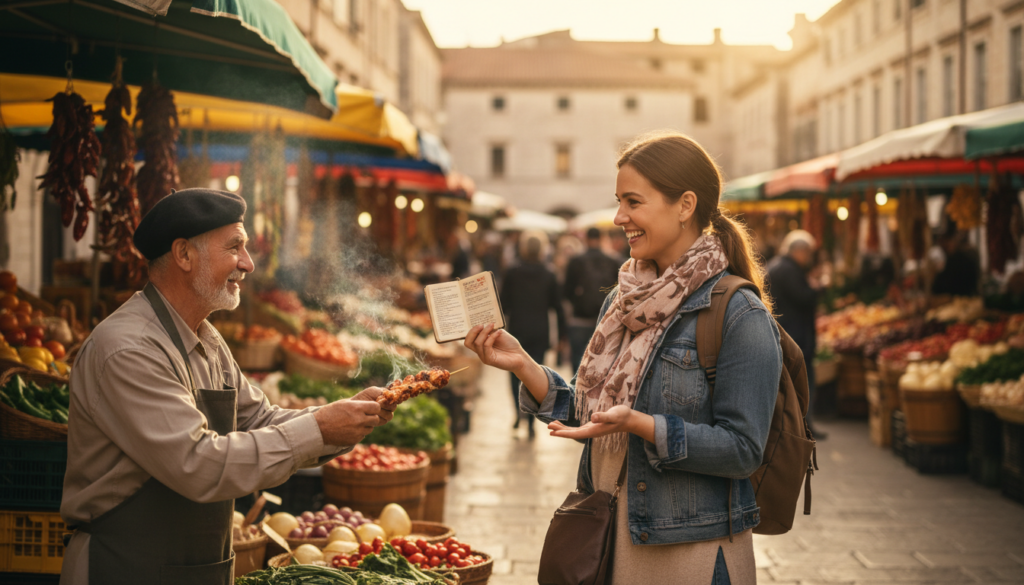
Even a modest attempt to speak the local language can dissolve barriers. Residents often appreciate the effort, viewing it as a sign of respect. This goodwill frequently leads to better service, hidden local recommendations, and warm interactions that English alone might not unlock.
Deepen Your Cultural Insight
Language is the soul of a culture. By learning basic expressions, you gain a window into the customs and values of the community. Engaging in simple exchanges allows you to participate in the rhythm of daily life rather than merely observing it from the sidelines.
Enhance Safety and Confidence
From reading road signs to asking for medical help, understanding key terms is a vital safety net. Being able to articulate your needs in an emergency or clarify directions can prevent minor misunderstandings from becoming major stressors.
Selecting the Right Language Strategy
Deciding which language to tackle depends largely on your itinerary and travel goals. If you are heading to Latin America or Spain, Spanish is indispensable. For a multi-country European tour, focusing on a widely spoken language like French or German might be strategic. Always research the primary dialects of your specific destination to ensure your efforts are practical.
Effective Methods to Learn on the Go
Modern technology has democratized language learning, making it accessible even for busy travelers. Here are the most effective ways to build your vocabulary:
- leverage Travel Apps: Platforms like Duolingo, Babbel, and Memrise provide structured, bite-sized lessons perfect for daily commutes. They gamify the process, ensuring you stay motivated.
- Flashcards and Repetition: Old-school methods still work. Create flashcards for high-utility words like “bathroom,” “water,” and “help.” Spaced repetition helps cement these terms in your long-term memory.
- Digital Immersion: Utilize online resources such as BBC Languages or FluentU. These platforms offer context-rich videos that help you understand pronunciation and cadence.
Further Reading
Want to navigate social nuances like a pro? Check out our guide on Travel Etiquette: Understanding Cultural Differences for more tips on respectful interaction.
The Must-Know Vocabulary Checklist
Prioritize quality over quantity. Before you board your flight, ensure you are comfortable with these categories of essential travel phrases:
Greetings & Courtesies
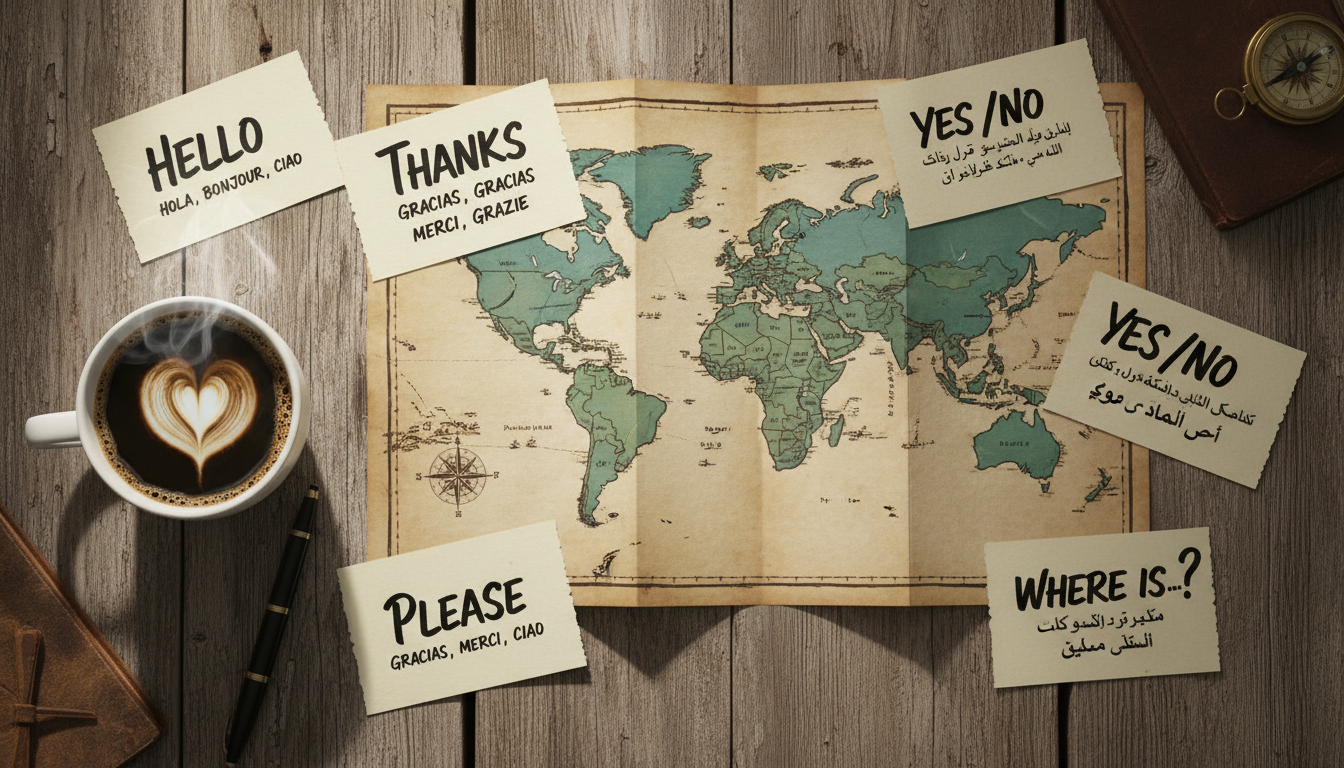
Politeness is universal. Master: Hello, Good Morning, Please, Thank You, Excuse Me, and Nice to meet you.
Navigation & Transit
Don’t get lost in translation. Learn: Where is…?, How do I get to…?, Is it far?, and Stop here, please.
Dining & Commerce
Enjoy local cuisine without anxiety. Learn: I would like…, Can I see the menu?, The bill please, and How much does this cost?

Overcoming the Fear of Speaking
Many travelers hesitate to speak due to a fear of mispronunciation. It is crucial to remember that perfection is not the goal—connection is. Native speakers generally respect the attempt to speak their language and are often eager to assist. Treat errors as part of the adventure. Practicing aloud, perhaps with a travel companion or a friendly local, can build the confidence needed to communicate effectively.
Conclusion
Integrating essential travel phrases into your pre-trip preparation is one of the most impactful steps you can take toward a successful journey. Beyond merely facilitating logistics, language is the key to unlocking authentic experiences and demonstrating respect for the host culture. Embrace the learning process with curiosity, and you will find that the world opens up to you in ways you never imagined.